Those familiar with the typical Mexican stereotypes know that the majority of them are made up and portray very little in the light of truth.
Tell me if I’m wrong, but have you ever noticed that there are two extremes of Mexico portrayed by the outside world? The lazy and the violent.
Okay! So the nation might be perceived as having thousands of lazing Mexicans, with bellies full of tacos, melting in the sunshine. Haha, funny!
But it’s fair to say it might be true of Mediterranean countries on days of rest too, but know that most Mexicans are anything but lazy.
This post contains affiliate links. Layer Culture is supported by you and I may earn a small commission (at no extra cost to you) if you make a purchase by clicking a link. Learn more.
Mexican Stereotypes
I have spent a fair few years of my life backpacking through Mexico and was also curious as to where these stereotypes actually come from.
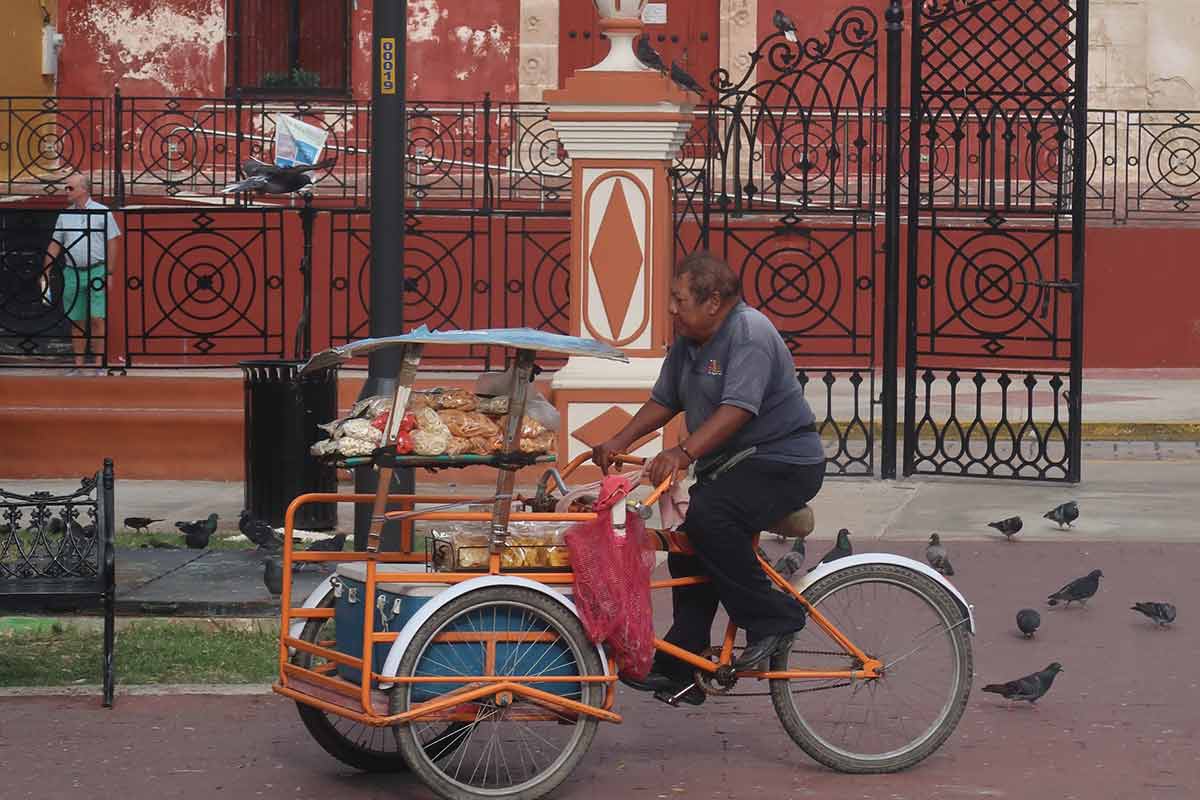
After sitting down one afternoon with a local I met on my travels, he started to paint a different picture of his country than I could ever have imagined.
The first topic that usually comes up with people that I speak to that have never stepped foot on Mexican soil is the fear of danger.
The Harmful Effects of Stereotyping
This may’ve come about due to novels such as On the Road by Jack Kerouac displaying 1950s Mexican villages as being relaxed beyond measure.
Then the Mexican movies depicted in Hollywood had the same effect. Mexico is not a desert; it has forests, jungles and coastal areas, too.
The violent side is based on the extended history of stereotyping Indigenous cultures as holding sacrifices of both people and animals.
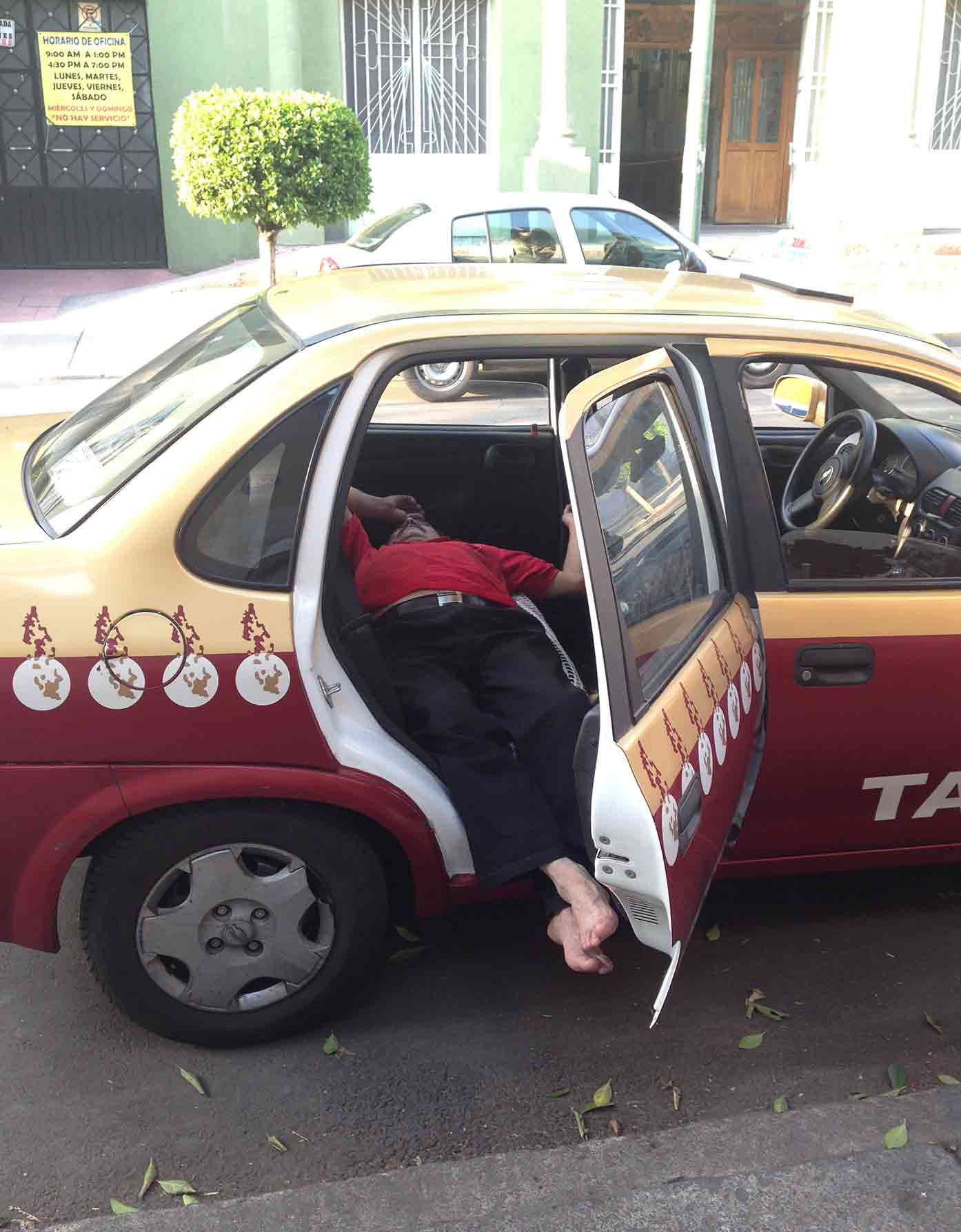
This leads into the cartels of Mexico as well. This is the most dangerous and divisive stereotype of Mexican culture, as the largely Catholic country doesn’t take death lightly, despite media exaggerations and myths.
Violence as a result of gang activity is largely shunned by the locals, who fight every day to end its reach and protect their communities.
Mexican Culture Myths
Here are some reasons why you may just be wrong about Mexico:
- The permeating influence of Hollywood films from the past contributes to widespread cultural misunderstandings today.
- The news media are reporting on the negative side of Mexican life and not the positive, ignoring the country’s vibrant culture.
- General ignorance about the amount of indigenous culture it has been forced to hide is erasing rich cultural traditions from view.
- A lack of knowledge when it comes to Mexican traditions and other cultural festivities, hiding the richness of everyday life.
It’s easy to say just research what a country is really like. However, this will never have the same convincing stature as actually visiting the country yourself to experience it first-hand so you can form your opinions.
These are just some common misconceptions about Mexico.
Mexican Myths and Stereotypes
Below I will attempt to debunk some myths and misconceptions down to give you the lowdown as to why they are so untrue.
Also, in this list, you’ll notice how there are some that are close to the truth and others that are just flat-out lies, so please approach them with caution.
1. Mexico is dangerous
Doesn’t every country in the world have a dangerous part? The section was deemed the least safe compared to other sections.
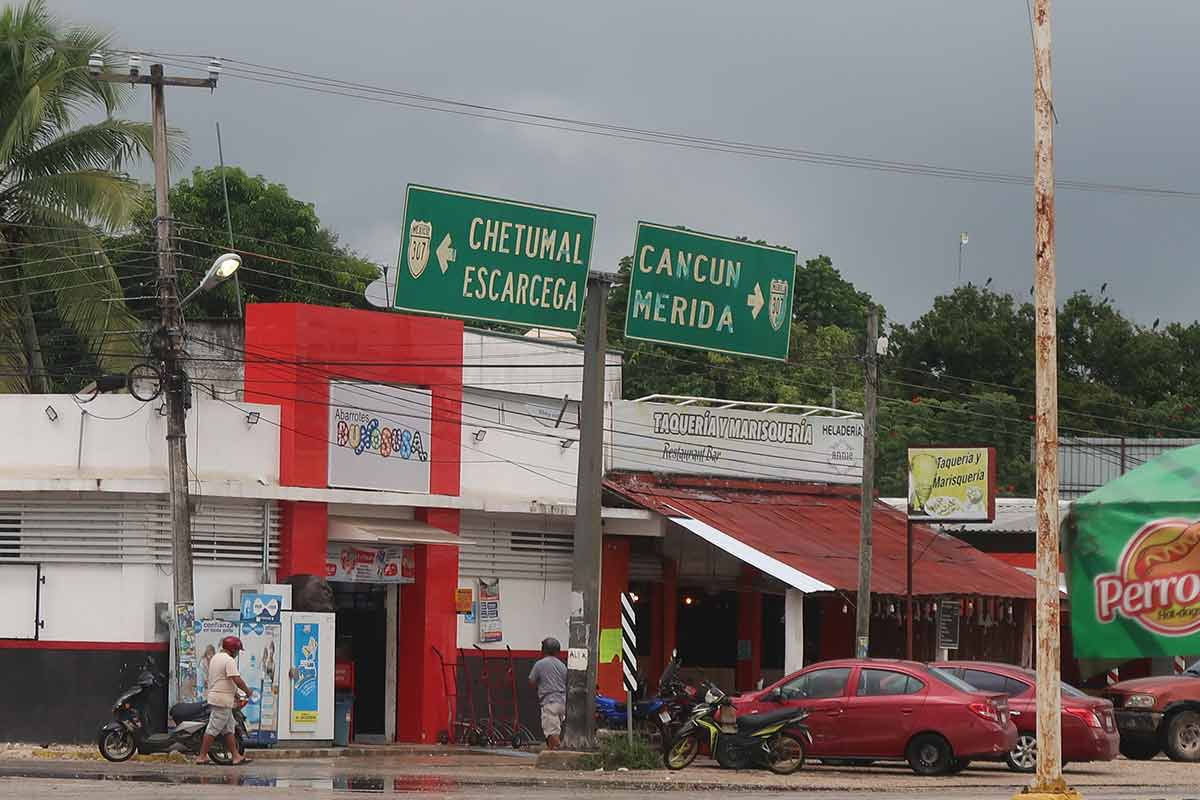
Well, turns out Mexico has that too! The idea of Mexico being dangerous gets thrown around so often that it’s difficult for people to formulate their opinion and stick to what others say instead of exploring firsthand.
If you visit somewhere like Cozumel, Playa del Carmen or even the Costa Maya, you probably won’t consider how dangerous the people are but may think that the cenotes are unsafe and might need precaution!
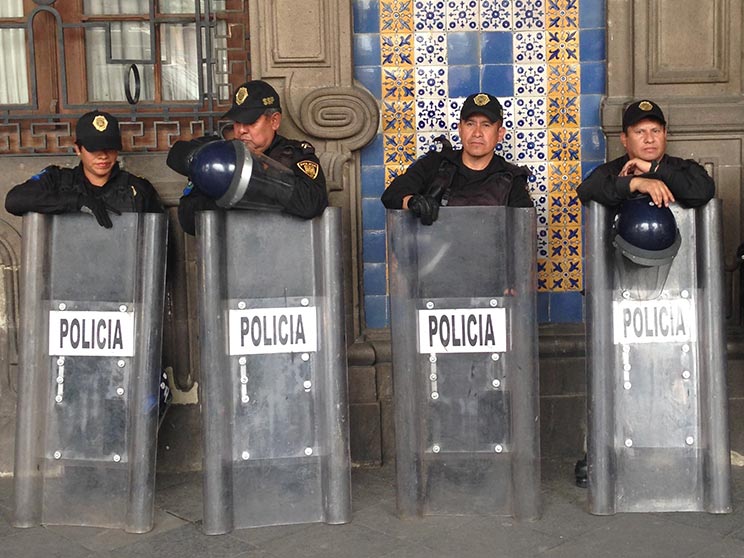
The danger is more likely to happen out of natural/Darwinist happenings than tourists being targeted by gangs or street crime.
If travellers who have injured themselves said the place was dangerous, do you blame the place itself when exploring always has risks?
2. Spanish is the official language
Although it is well-known that Spanish is the most widely recognised language across the whole country, it isn’t the whole truth.

Contrary to popular belief, there is no official legislation declaring Spanish as the country’s official language, which surprises many visitors.
Here are some of the widely spoken languages and their speakers:
- Nahuatl: 1,740,026
- Yucatec Maya: 792,000
- Mixtec: 480,216
- Zapotec: 450,000
Sure, you can start to learn Spanish in Mexico, just like I did, or even get by with very little Spanish, but why miss out on the full experience?
3. Mexico is in Central America
Mexico has never been part of Central America. Simple!
It’s part of North America along with the USA, Canada, and a plethora of Caribbean nations. Just look how close to Jamaica it is, for example.
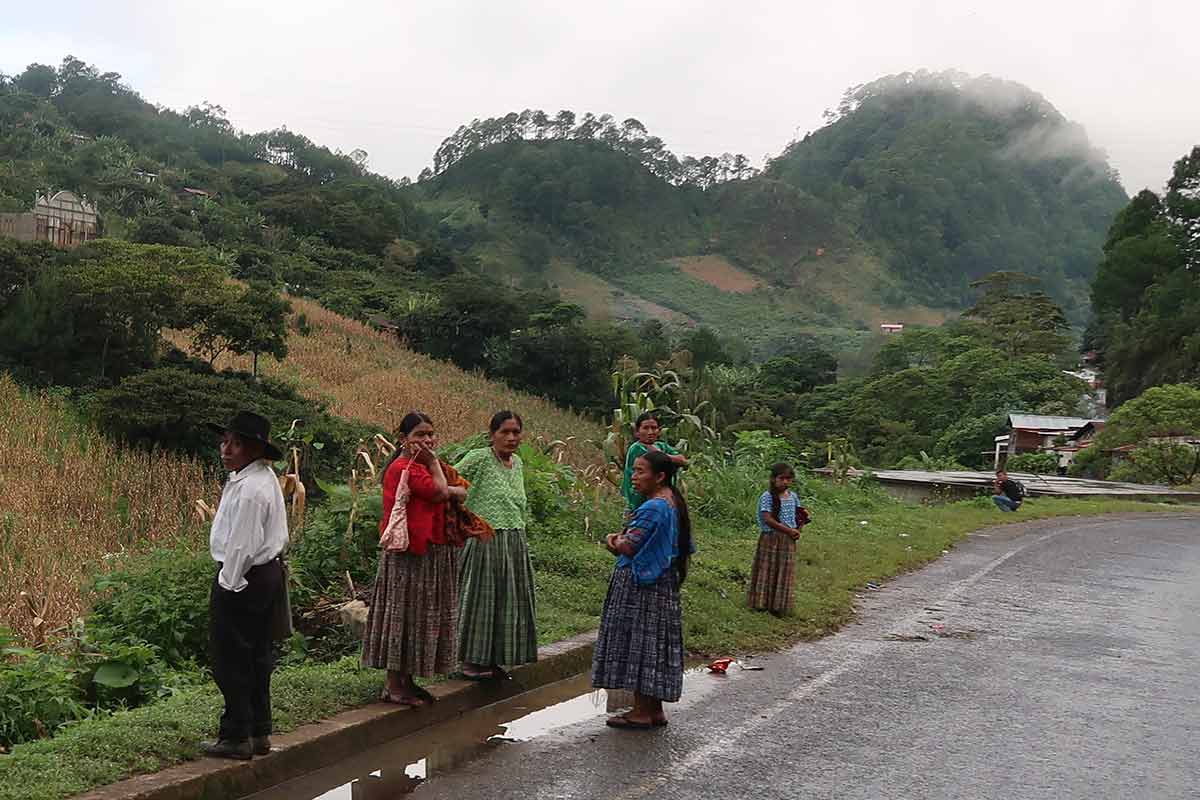
Central America is the tapering isthmus that sits snuggly between Colombia and Mexico. Why not explore this list of Central American countries to better understand what each has to offer so you can travel prepared?
4. All Mexican Food is spicy
Mexican food has a reputation for being very spicy due to the Americanised cuisine celebrated across the world, but authentic flavours are much milder.
Mexican food has a wide range of spices and flavours, and while many spices are used for cooking, not all are spicy, so don’t fear trying dishes.
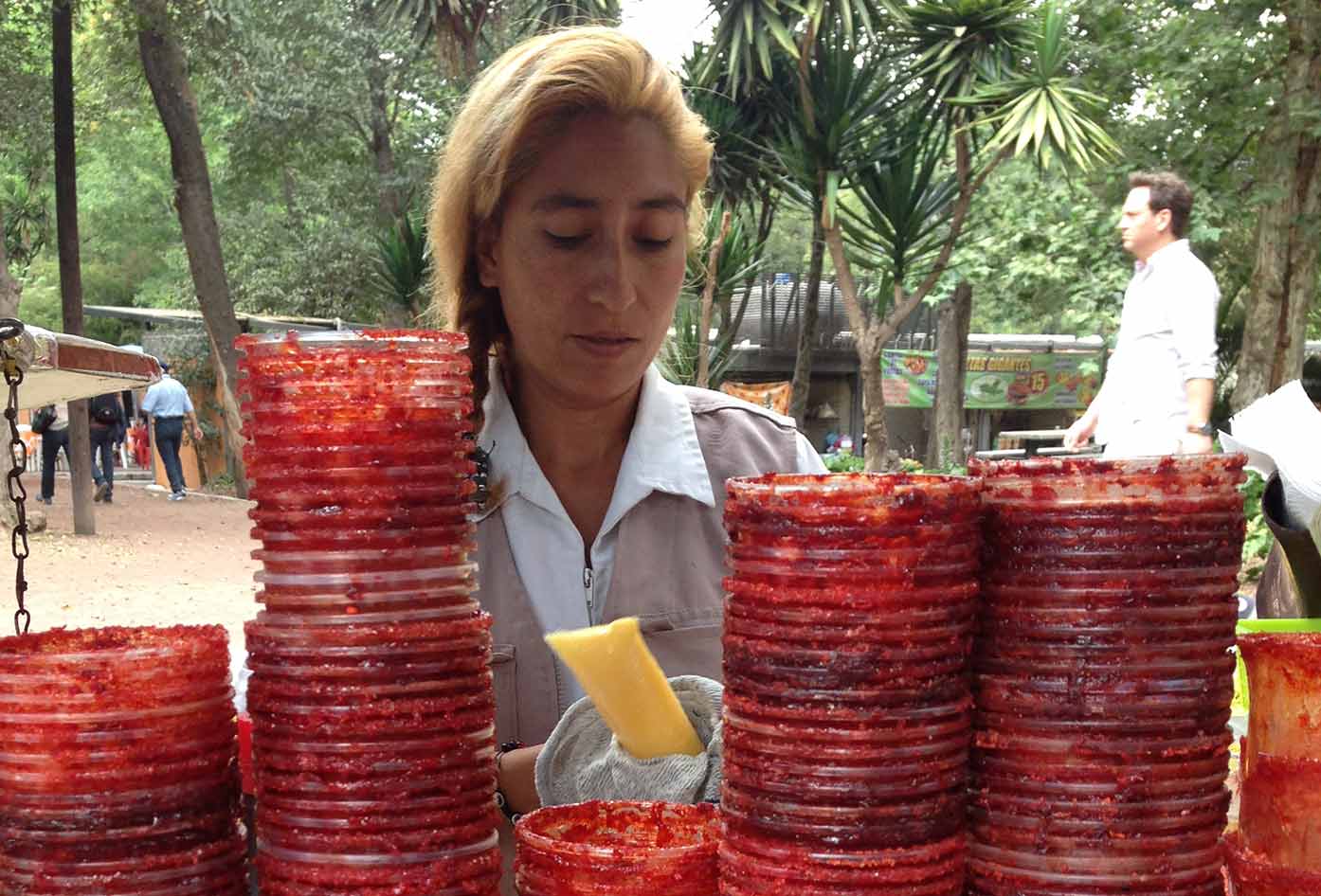
The subtlety of true Mexican cooking is what makes it so unique and beloved. Chillies are indigenous to Mexico, and their use dates back hundreds and even thousands of years, making each dish a cultural story.
If you don’t know what Chicharrón is, then why not give it a try? Or, at least read up about it so you can put yourself in a position to be more interested in the diverse Mexican food culture and expand your culinary knowledge.
5. Mexicans don’t speak English
Public schools in Mexico have mandatory English lessons from 7th grade and up. For private schools, English begins as early as 1st grade.
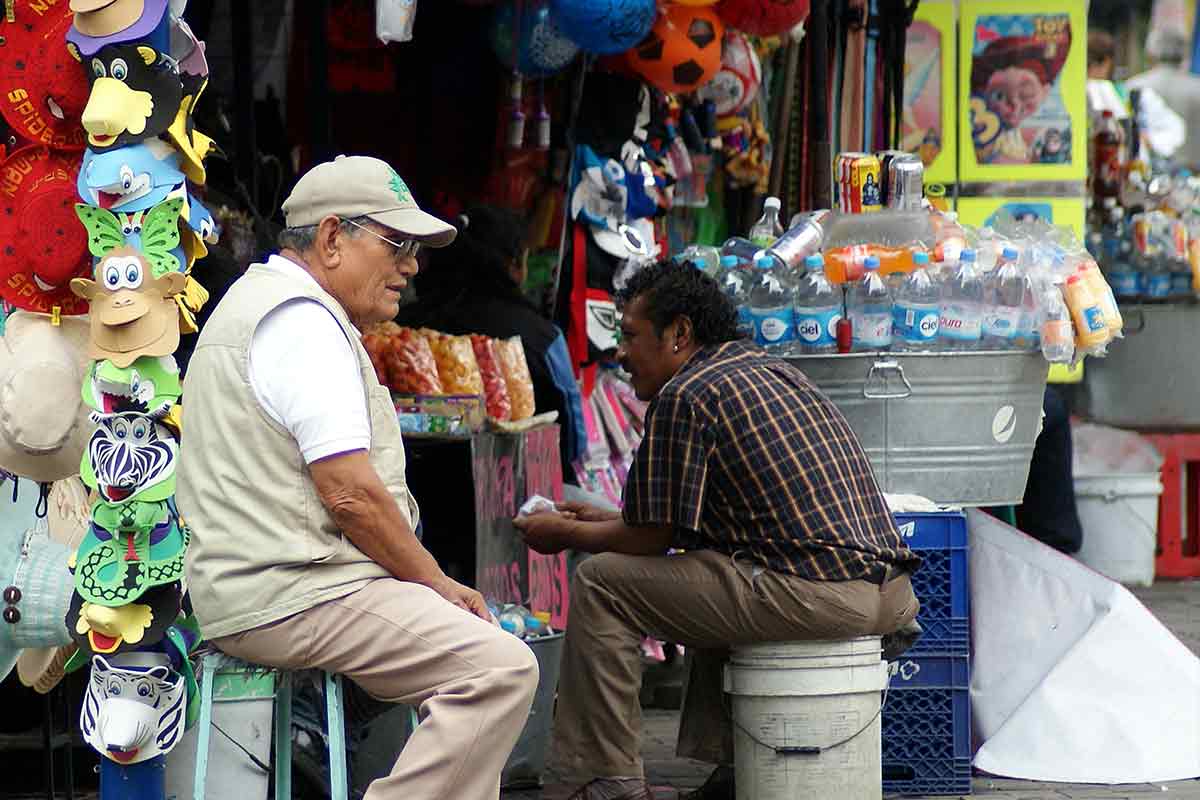
It mostly depends on where and who you meet when you visit. You’ll most likely find English speakers in tourist-heavy areas such as the Yucatán Peninsula and Tijuana, making communication less of a challenge.
Otherwise, it’d be best to practise Spanish before setting off. Tourists may find their journey filled with English-speaking interactions.
However, some might struggle in the inner cities and desolate rural spots. This is one of the main reasons why learning foreign languages is indispensable for countries such as Mexico to connect with locals better.
6. Mexico is a desert
Would you class New Mexico as one big desert? Or is Africa a continent made up of just deserts? This is a clear example of a misconception!
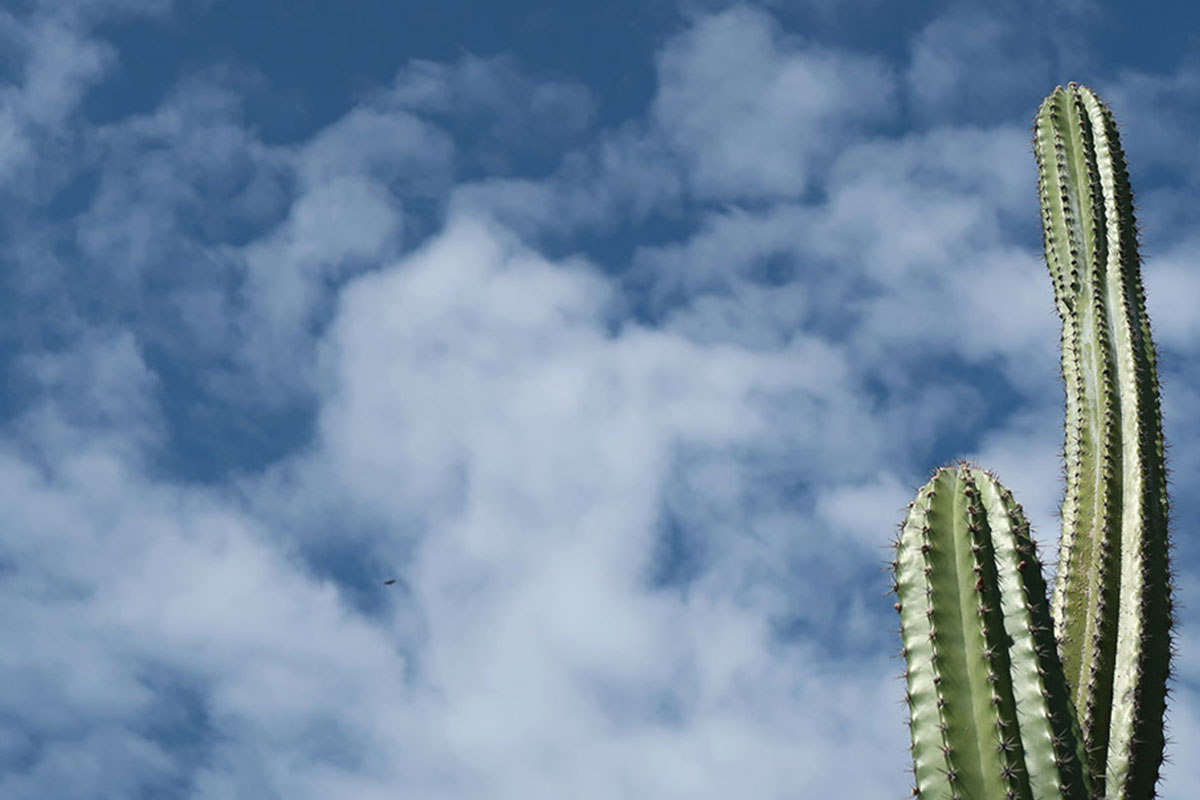
These are just uneducated statements that don’t consider the many geological facets of the Mexican landscape, which is diverse and varied.
Mexico looks different from place to place. Often, the unseasoned traveller may even suffer from a bout of culture shock after returning home from a visit to Mexico; that’s what happened to me after my first trip.
Imagine visiting somewhere like Tulum Ruins and thinking it’s a desert! In contrast, you’re presented with lush green jungles on the East Coast overlooking the Caribbean Sea, a true contrast to assumptions made.
7. Mexican Cities are Polluted
There is some truth to this claim, but it would be folly to assume that every city in the country is polluted, so don’t judge based on stereotypes alone.
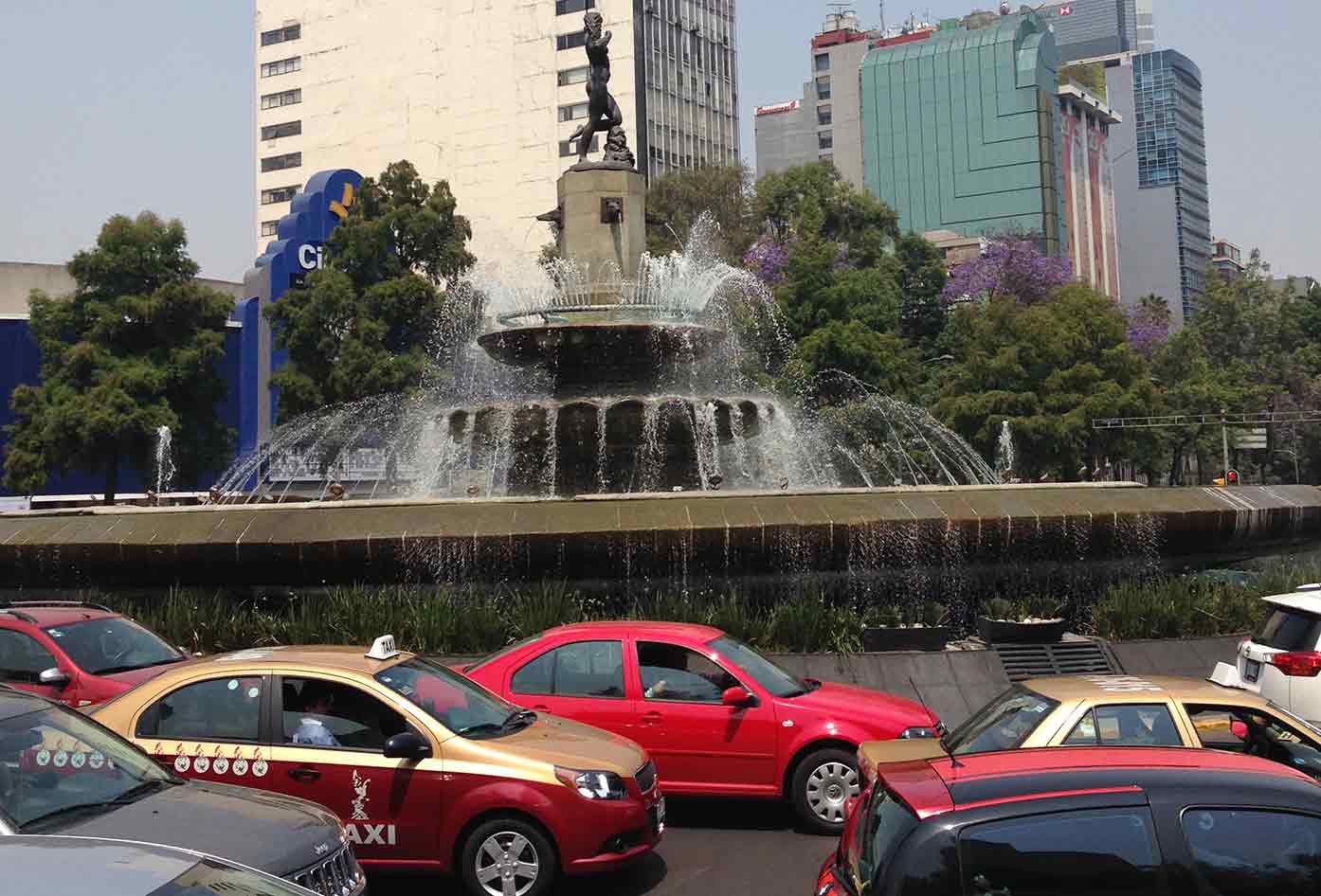
Mexico City, Guadalajara, and Ciudad Juárez are the most polluted, with Mexico City’s air quality being some of the worst in the world.
According to the World Health Organization (WHO), Mexico City’s air averages 179 mg per cubic metre of suspended particulates, which in fact is well above the WHO 90 mg maximum recommendation.
That being said, there are spots on both coasts that have some of the best air quality in the world due to the flora and fauna.
9. Mexican Food is Burritos and Fajitas
This is the biggest misconception of Mexico. Millions of people consider the Americanised version of Mexican food to be authentic.
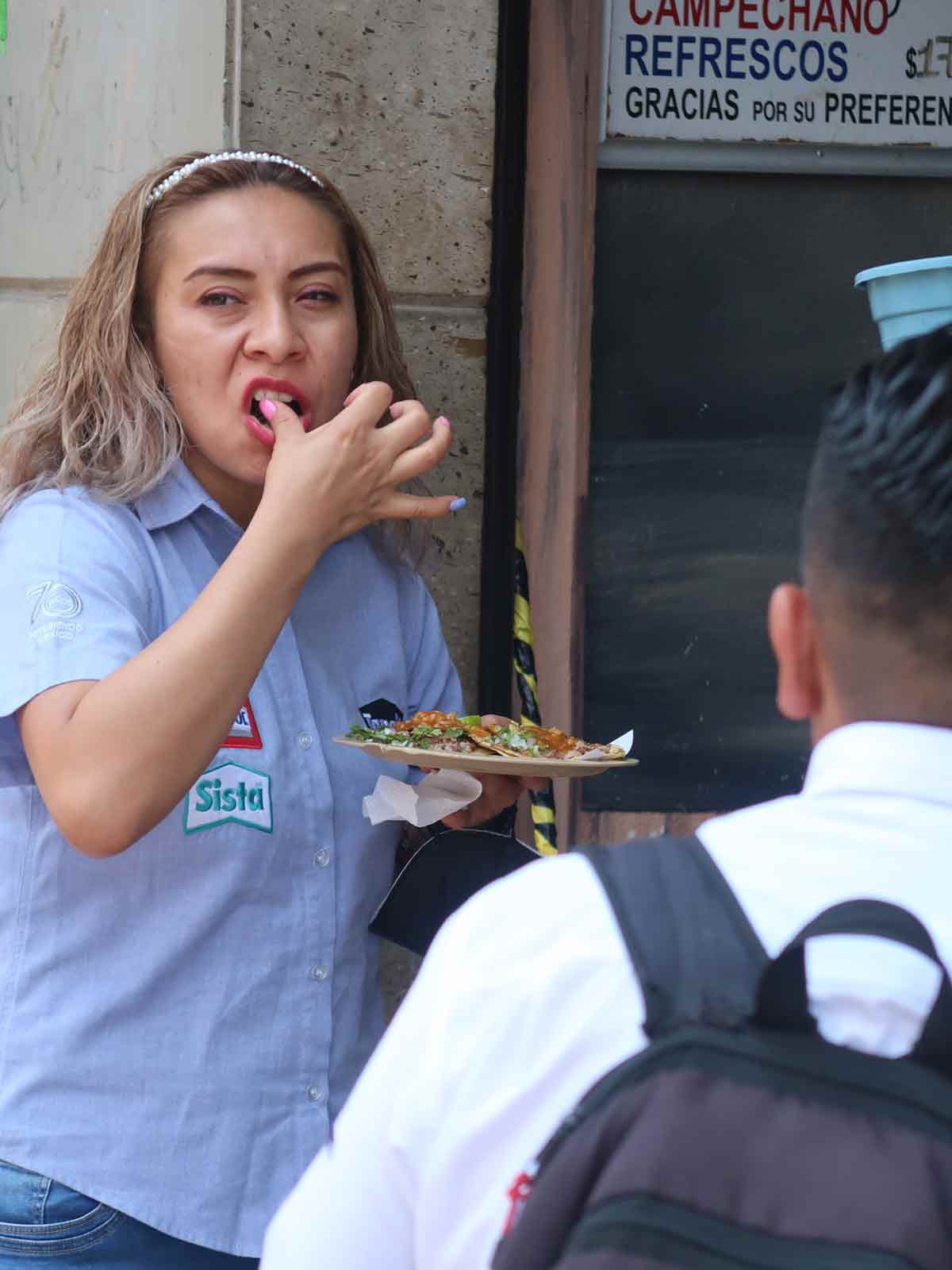
This is completely false, and you are invited to travel to Mexico and eat some of the best food in the world, which, in my opinion, is far richer than ‘Americanised’ versions suggest. In fact, did you know that there are four Mexican restaurants with Michelin stars in the world?
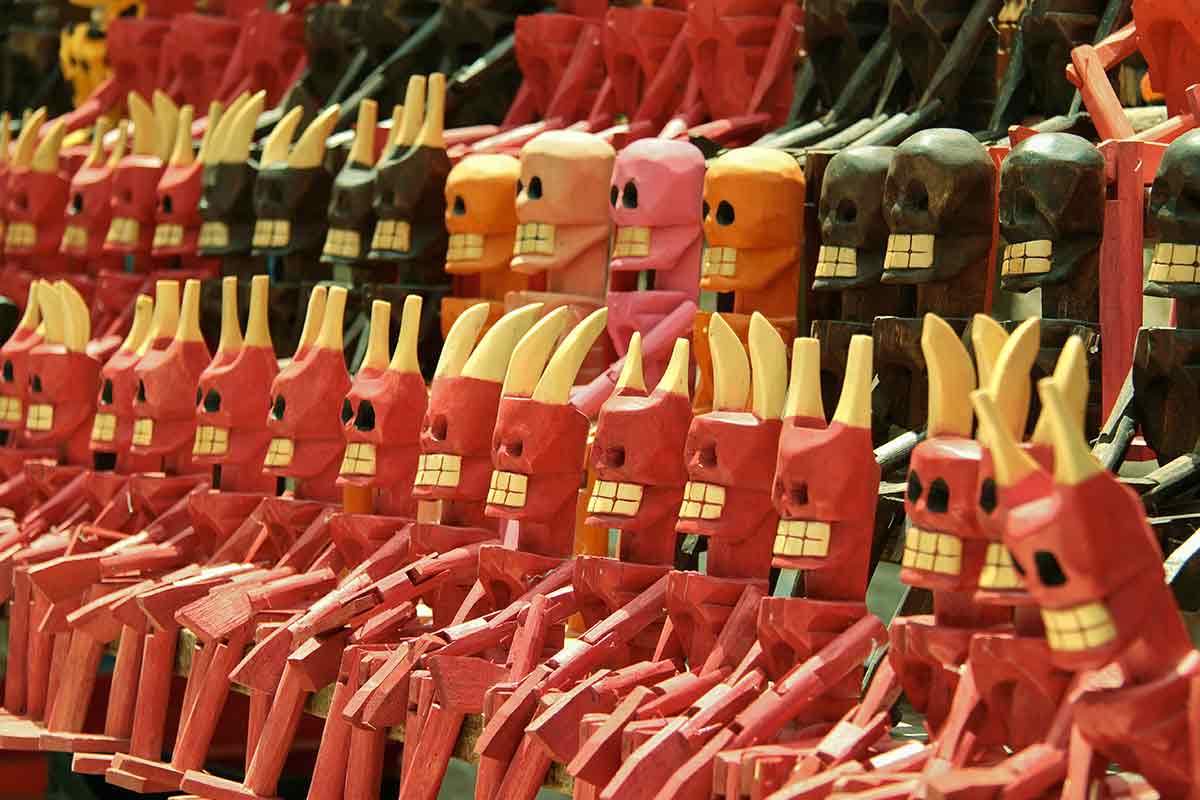
10. Day of the Dead is Mexican Halloween
The simple answer: Day of the Dead and Halloween come from the same origin, but they mean two entirely different things. Although there are similarities, they look and feel totally different, so don’t confuse them.
Mexican Stereotypes
Hopefully, most misconceptions and stereotypes were debunked here.
The worst thing one can do is assume what a country or culture is all about based on what they’ve read or heard without experiencing it firsthand.
The only way of truly knowing is by experiencing it in person. My advice? Book a trip today and experience everything that Mexico has to offer.
While you’re still here, see these tips on visiting the safest states in Mexico to learn all about where to go to be able to explore Mexican culture.
📌 Like this guide? Click to Pin it…
👉🏽 Did you enjoy this guide? Feel free to buy me a coffee to say thanks!
