I first remember travelling to Jamaica as a young boy.
The island has been part of my life for decades, woven into my family connections and childhood memories. Yet, every time I mention Jamaica to someone who’s never visited, the first question is always about safety.
Is Jamaica safe? they ask, with concern from whatever headline they’ve seen. The news loves a crime story, and Jamaica’s had its share of negative press.
But here’s what those articles rarely mention: millions visit Jamaica each year and leave with nothing but fond memories and new-found friends.
Crime exists here, yes. But the idea that Jamaica is a war zone where tourists can’t explore safely? That’s not the reality I’ve ever experienced.
This post contains affiliate links. Layer Culture is supported by you and I may earn a small commission (at no extra cost to you) if you make a purchase by clicking a link. Learn more.
Why Jamaica Has a Reputation for Being Dangerous
Allow me to share something that changed how I view Jamaica’s crime rate statistics: most violent crime happens between people who know each other, in residential areas tourists rarely venture into.
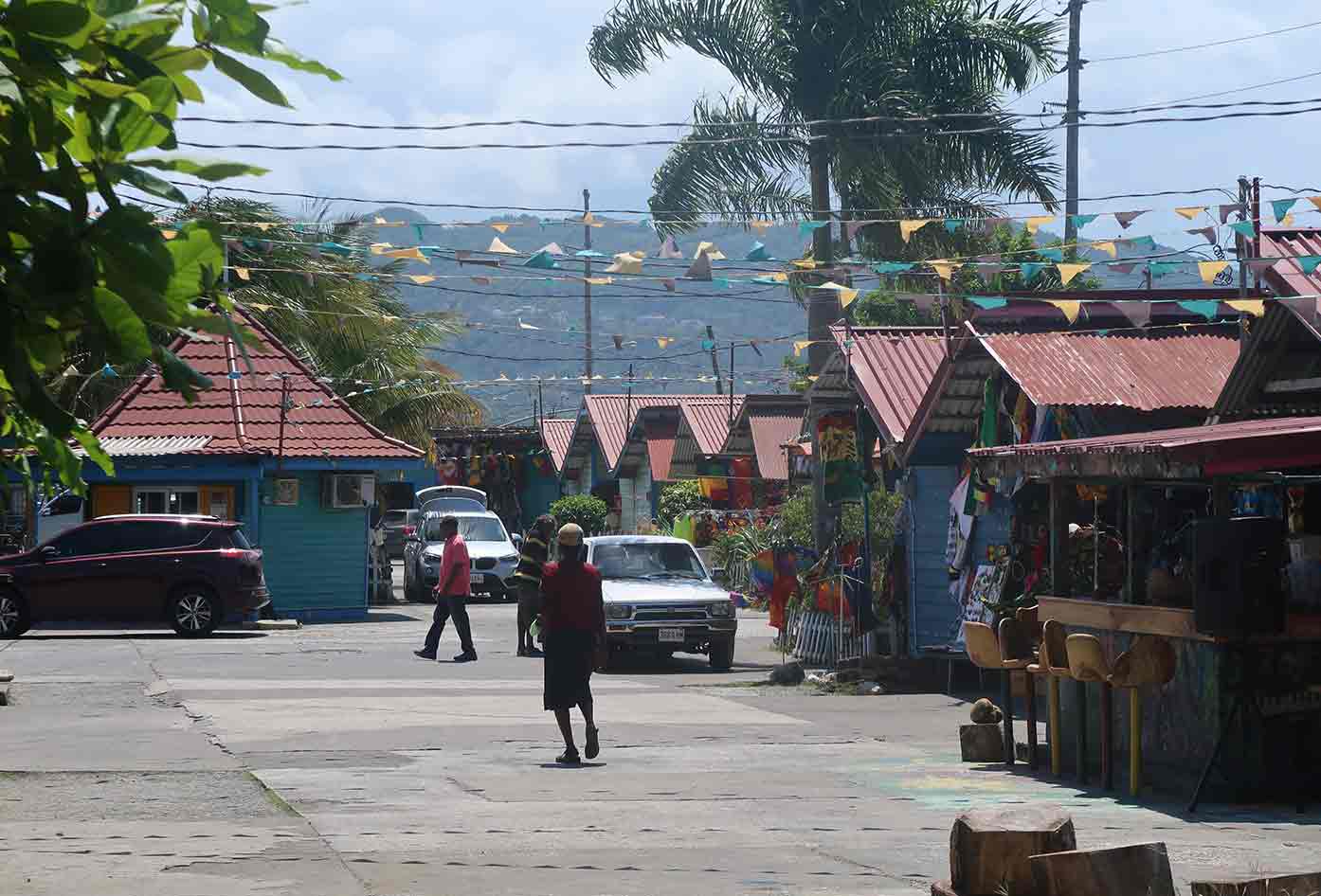
In 2017, over 217,000 British travellers visited Jamaica. The vast majority had trouble-free trips. Crime against tourists is relatively low, though it does happen, primarily petty theft and property-related incidents.
Here’s the pattern I’ve noticed:
- Tourist areas have visible security and police presence
- Most incidents involve tourists making themselves targets (flashing valuables, walking alone at night in isolated spots)
- Violent crime rarely involves tourists who stay aware and take basic precautions
Does this mean Jamaica is risk-free? Absolutely not. But neither is London, Barcelona, nor any major city you’d visit without a second thought.
Jamaica Travel Advisories Explained
The United States raised Jamaica to a level 3 travel advisory in 2023. The British Government issued warnings too. Should you cancel your trip?
Not necessarily. Travel advisories reflect government liability concerns as much as actual risk to tourists. A level 3 means “reconsider travel” but it doesn’t account for the massive difference between staying in Negril’s resort areas vs. wandering into Kingston’s toughest ghettos at 2am.
I’ve travelled to countries with similar or higher advisories and felt perfectly safe in tourist zones. The advisory system paints with a broad brush, it can’t capture the nuance of a place where tourist areas operate completely differently from residential zones.
The British Government issued advisories despite 225,000+ visitors in 2019, most experiencing zero issues. That tells you something about the gap between official warnings and on-the-ground reality.
Travel advisories serve a purpose, they make you aware that caution is needed. But they shouldn’t be your only decision-making tool.
Which Parts of Jamaica Are Safer for Tourists
The safest parts of Jamaica aren’t secret. They’re the places designed for tourism, where infrastructure, security, and local businesses cater specifically to visitors.
Tourist-friendly zones I’ve felt comfortable in:
- Negril’s Seven Mile Beach
- Ocho Rios resort areas
- Montego Bay’s hip strip
- Port Antonio’s coastal areas
These aren’t sterile bubbles, you still experience Jamaican culture, food, and music. But they have visible security, well-lit streets, and locals who depend on tourism for their livelihoods.
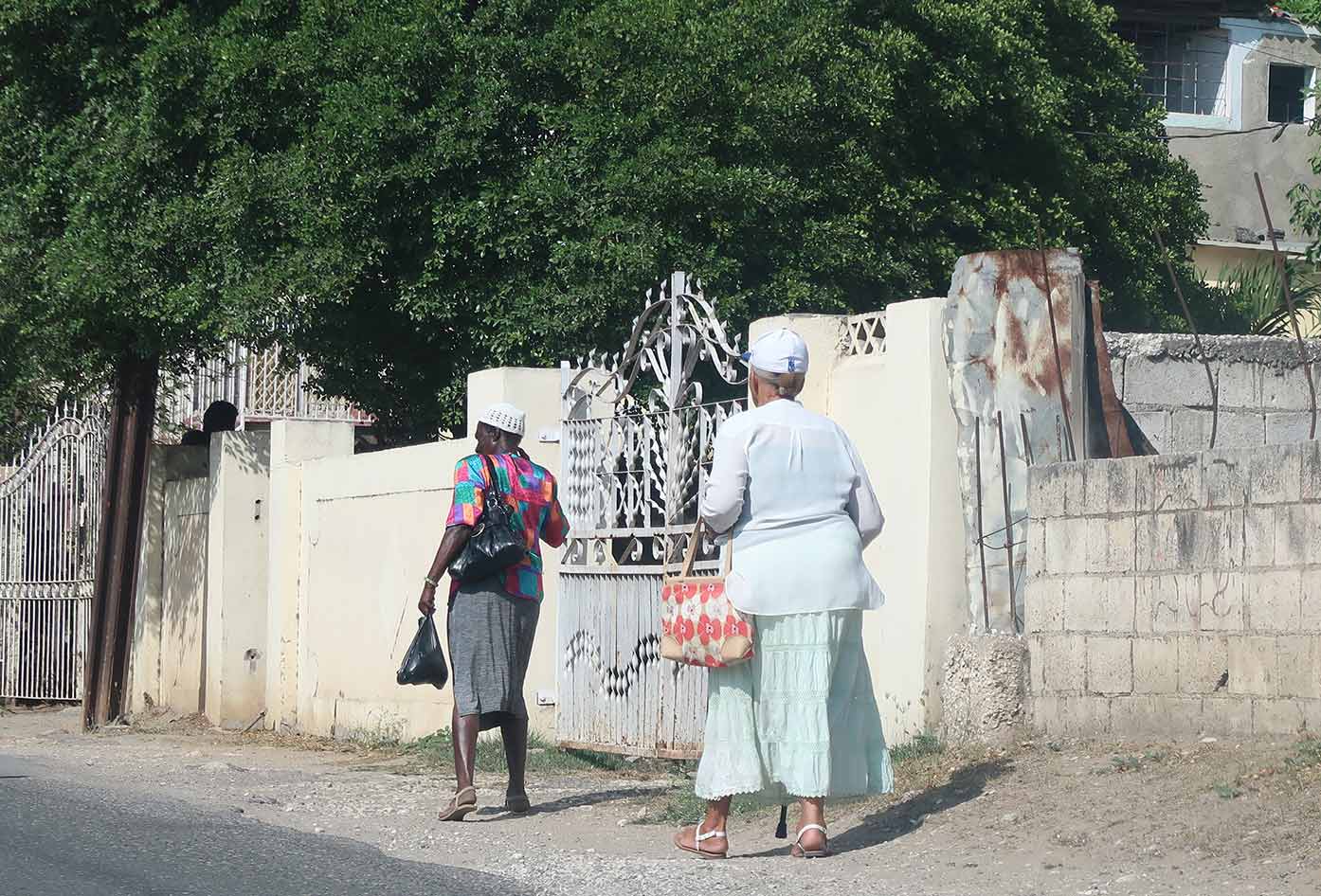
Residential neighbourhoods operate differently. They’re not inherently dangerous, but they’re not set up for tourists either. You require local knowledge to move through them safely.
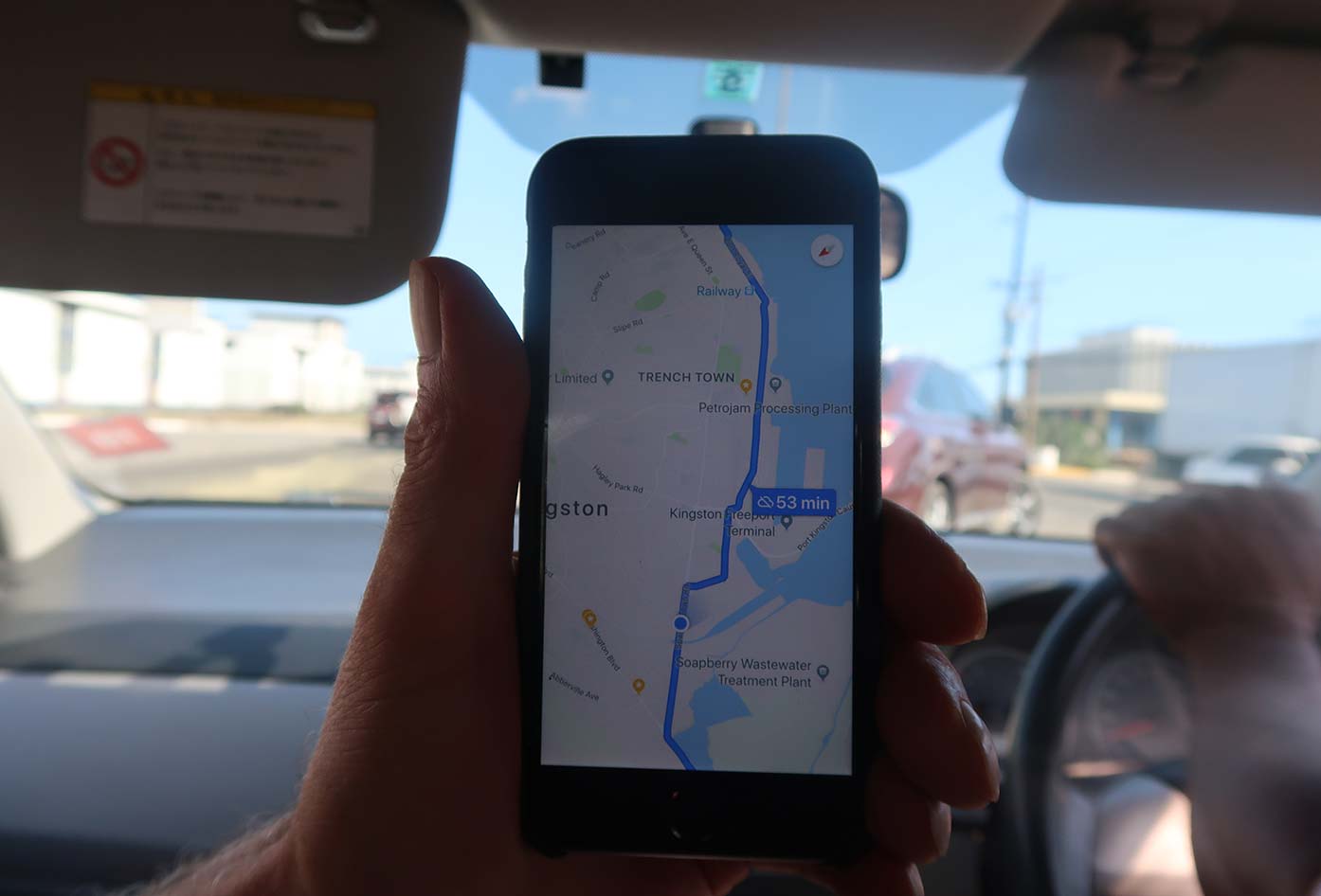
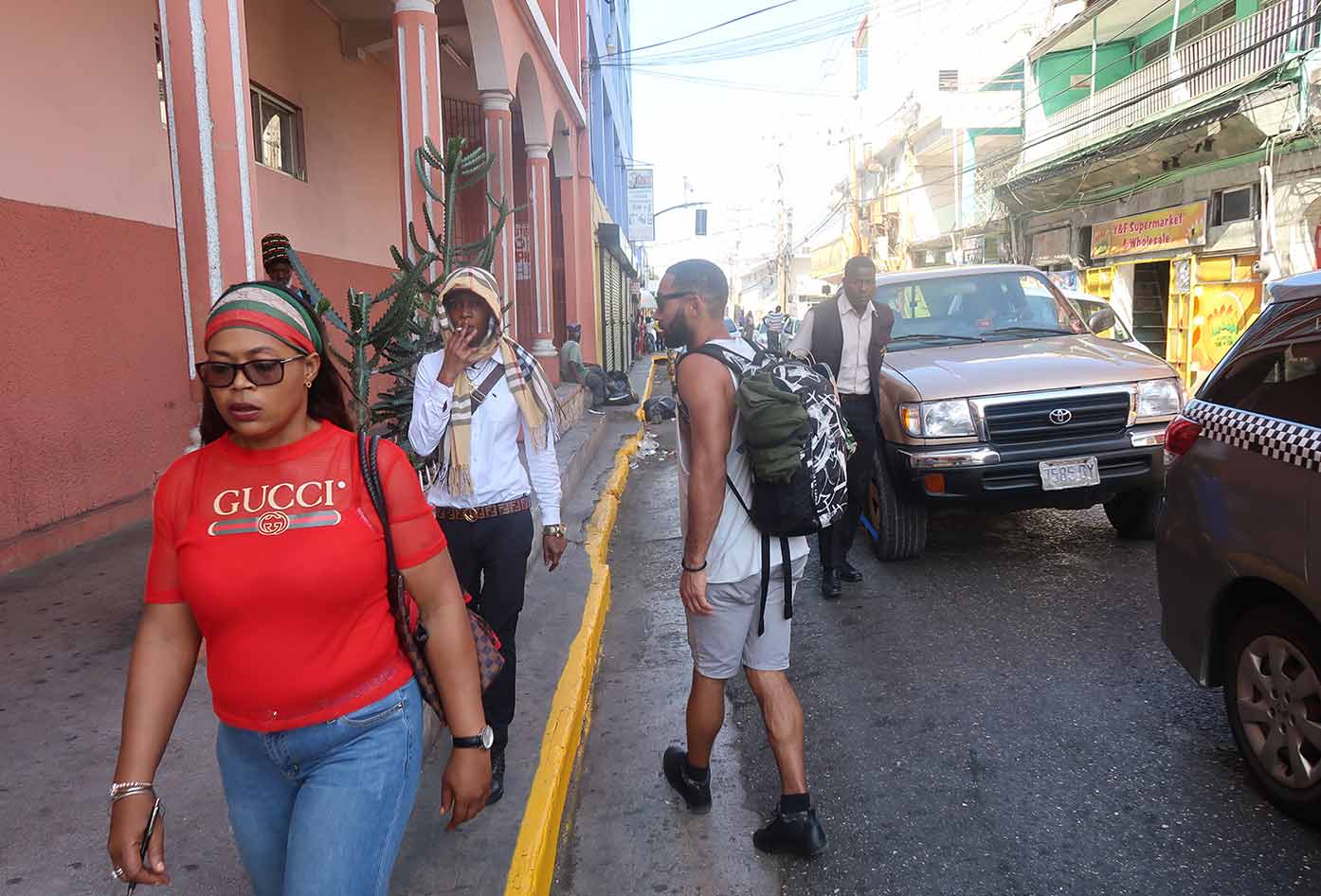
Kingston has an entirely different vibe from the resort towns. As Jamaica’s capital, it’s grittier, more urban and more complex.
I noticed the difference immediately: fewer tourists, more locals going about daily life, less visible security infrastructure.
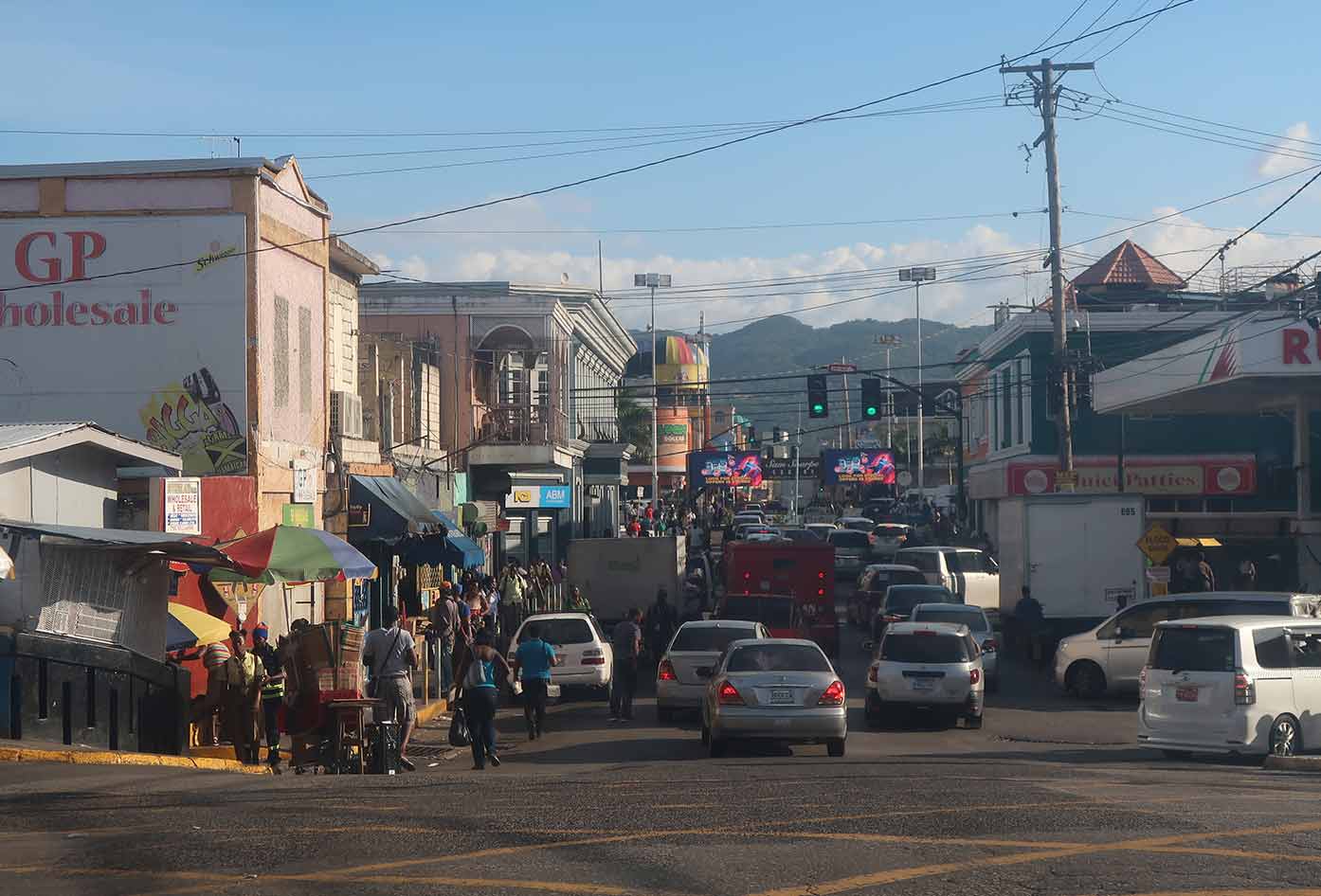
Is it dangerous in Kingston? Parts of it, yes. But that doesn’t mean you can’t visit. I’ve had many memorable experiences in Kingston, visiting museums, eating at local spots, absorbing the culture.
The key is knowing where to stay as well as which areas to stick to and when. Negril, Montego Bay, and Ocho Rios are far more tourist-oriented.
Streets are busier with visitors, businesses cater to international guests, and you feel the safety net of tourist infrastructure around you.
If it’s your first trip to Jamaica, I’d start with these coastal towns. Once you understand how the island works, Kingston becomes far less intimidating.
💡Smart Travel Tip
A bit of Patois goes a long way here on the Island. I practice with family and sometimes use books to increase my vocabulary go here to learn more.
Areas in Jamaica That Require Extra Caution
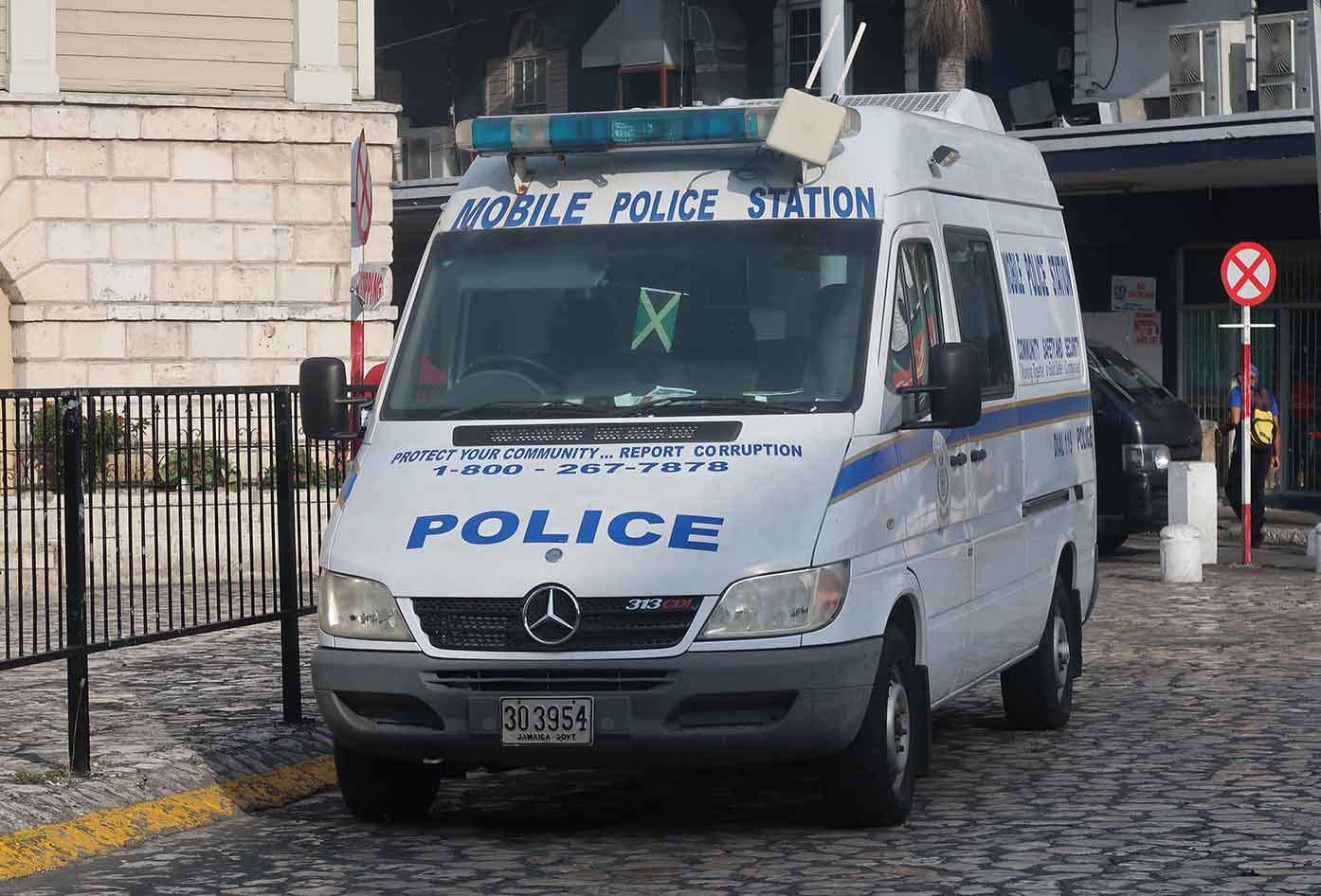
Some parts of Jamaica are currently under police or military occupation. These aren’t tourist areas, you wouldn’t stumble into them accidentally.
Places like Denham Town in Kingston and Mount Salem in Montego Bay have had military presence. You’ll encounter local curfews and heavy police activity. Gang violence occurs in these zones, making them genuinely risky even for locals who know the area.
I learned this early on, if an area has military presence, it’s there for a reason. Stay out. Can you ever visit these neighbourhoods safely?
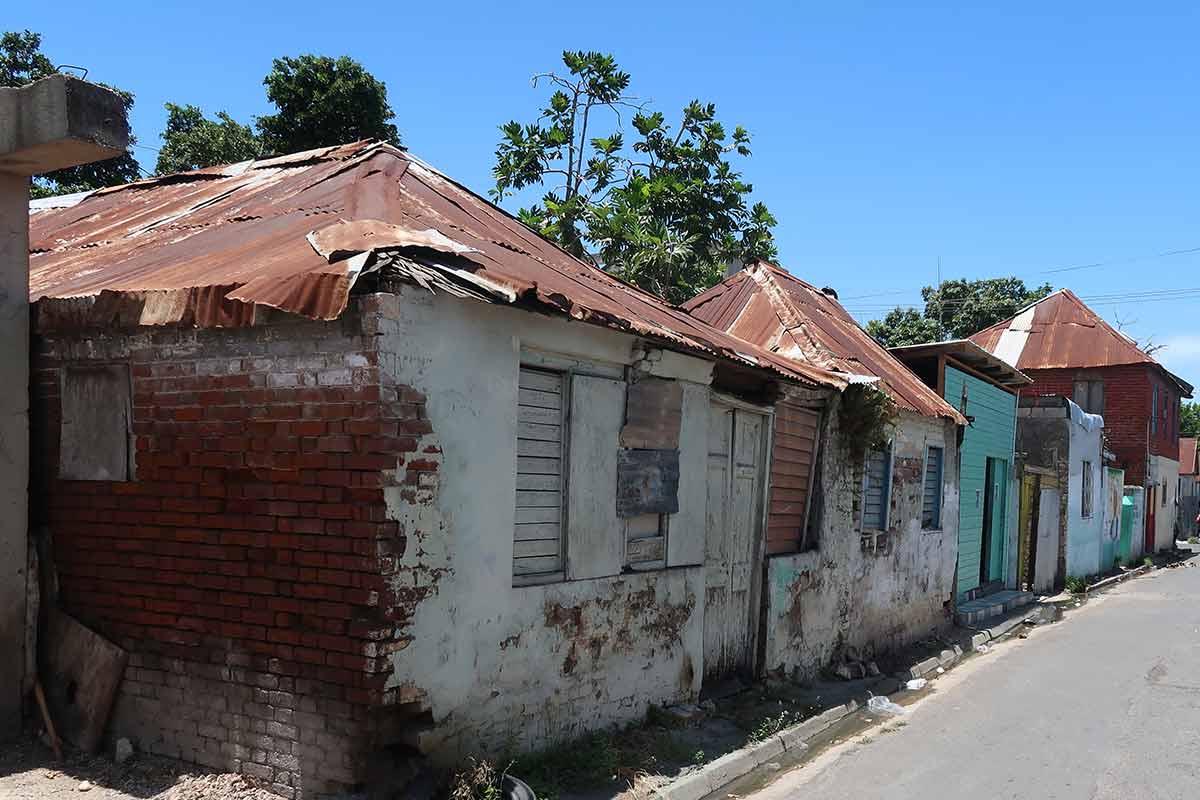
In very specific circumstances, yes.
I’ve gone into rough areas with trusted local family members who know the streets, the people, and the unwritten rules. They know which routes are safe during daylight and which corners to avoid entirely.
When it makes sense:
- You’re with a trusted local who knows the area intimately
- It’s daytime
- You have a specific purpose (visiting family, authentic street food)
- You’re not carrying valuables or looking like a tourist
When it doesn’t make sense:
- You’re alone or with other tourists
- It’s after dark
- You’re just curious or want to “see the real Jamaica”
- You’re staying at a resort and don’t know anyone local
The “real Jamaica” exists in safe areas too. You don’t need to risk your safety to experience authentic culture.
Is Jamaica Safe During the Day and at Night?
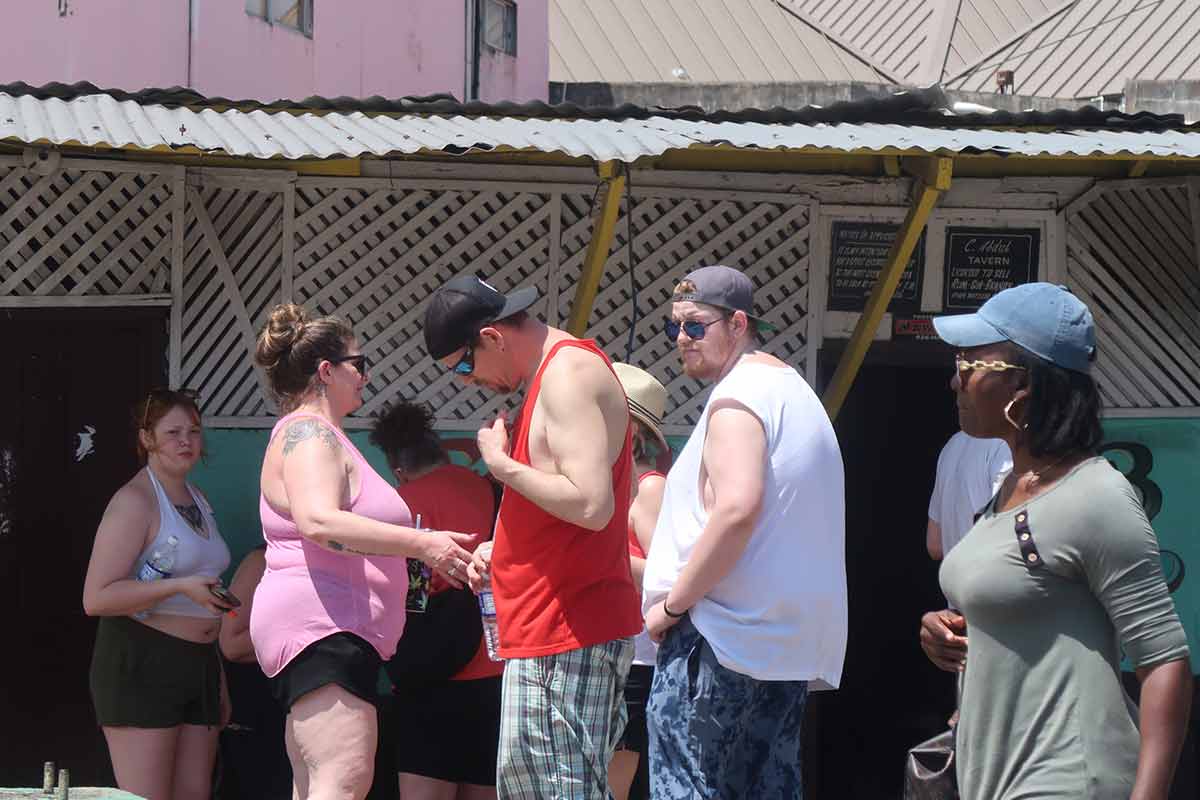
During daylight hours in places like Negril or Ocho Rios, I’ve felt as safe as I do in any Caribbean destination. Streets are busy, businesses are open, and there’s a natural flow of tourists and locals mixing.
My daytime routine includes:
- Walking to beaches and restaurants without worry
- Using ATMs in busy, visible locations
- Shopping in markets with basic awareness
- Taking photos without constantly looking over my shoulder
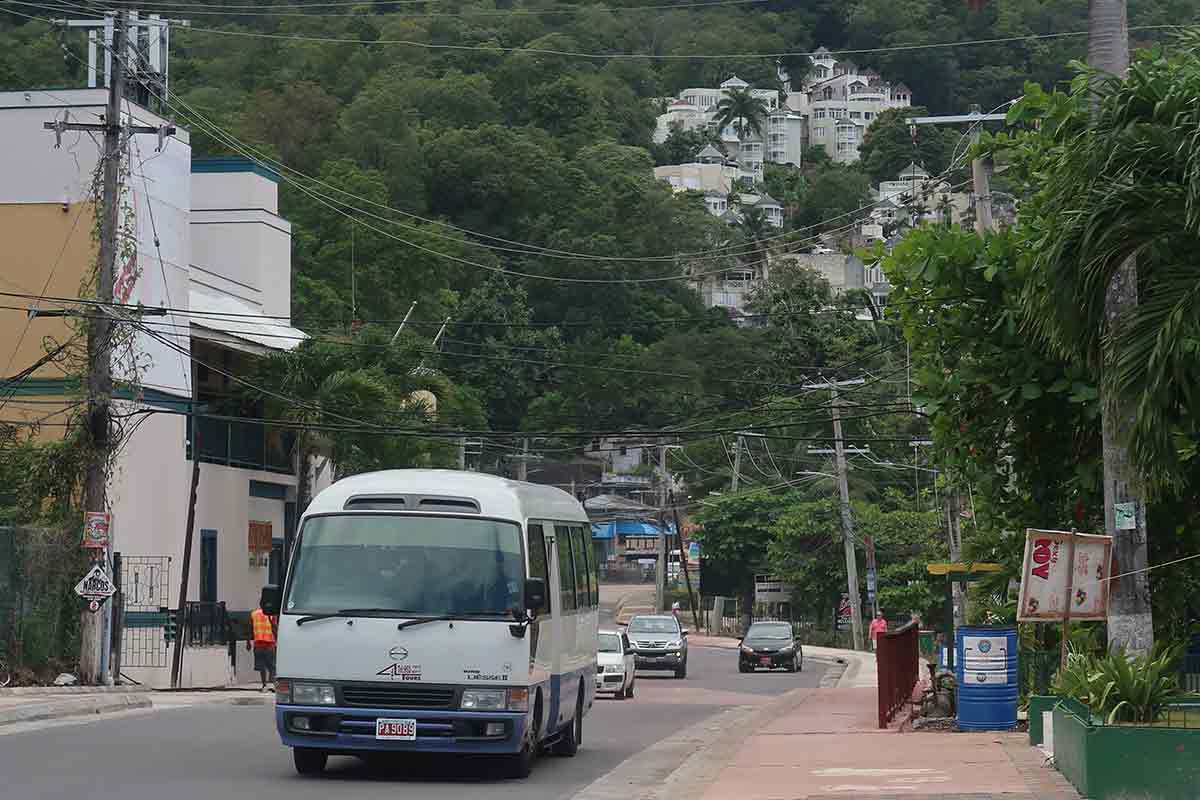
Does that mean I’m careless? No. I still keep my phone secure, I don’t flash cash, and I stay alert. But the level of caution needed during the day is standard tourist common sense, not heightened paranoia.
Nighttime is different. Crime increases under cover of darkness in Jamaica, as it does almost everywhere.
I’ve adjusted my behaviour accordingly:
- I avoid walking alone at night, especially on beaches or dimly lit streets
- I use registered taxis instead of walking long distances after dark
- I stay within designated tourist areas at night
- I don’t use public transportation in the evening
This isn’t unique to Jamaica. I’d follow the same rules in parts of London, Medellin, or Rio. The difference is that Jamaica’s tourist infrastructure makes nighttime safety easier to manage if you plan ahead.
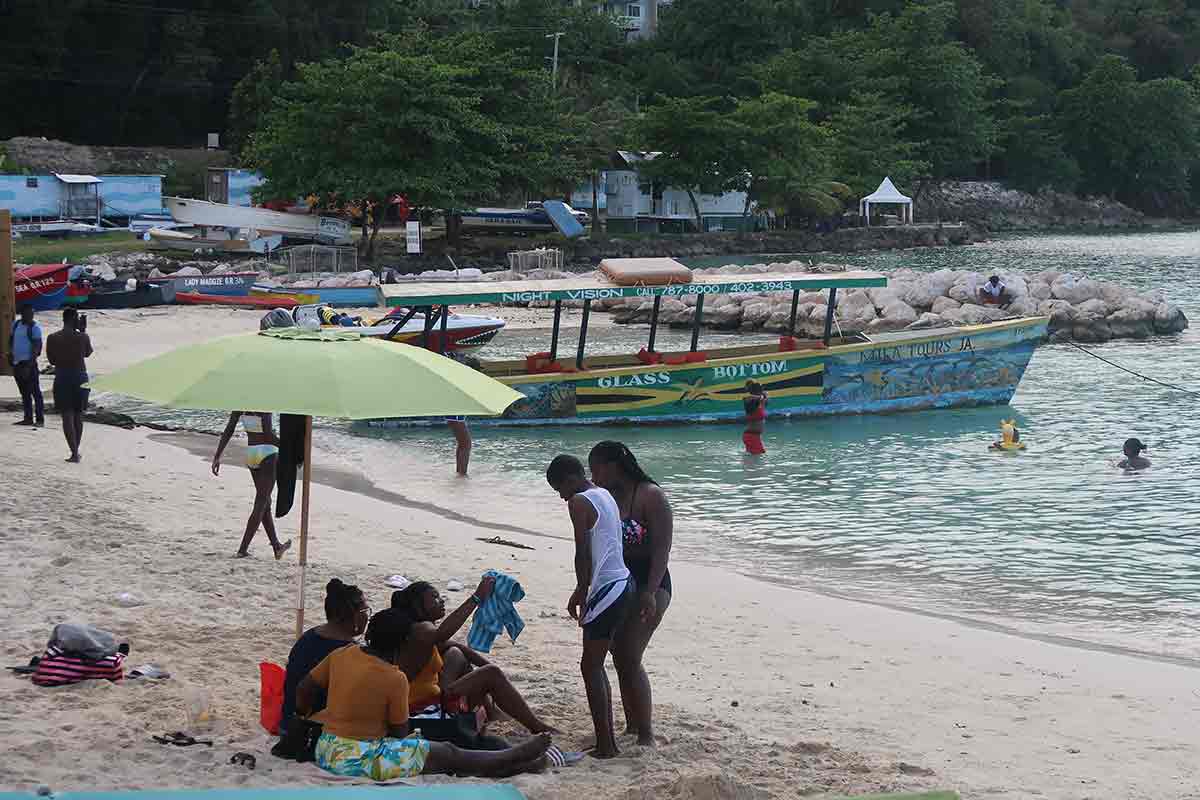
How Locals Help You Stay Safe in Jamaica
Here’s the single most valuable safety tip I can give you: talk to Jamaicans.
Hotel staff, taxi drivers, restaurant owners, they all know which areas to avoid and when. They’ll tell you where tourists get targeted, which beaches are safe after dark, and which routes to take.
I’ve had locals pull me aside and say, “Don’t walk that way” or “Take a taxi to that spot, don’t walk it”. That insider knowledge is worth more than any travel advisory.
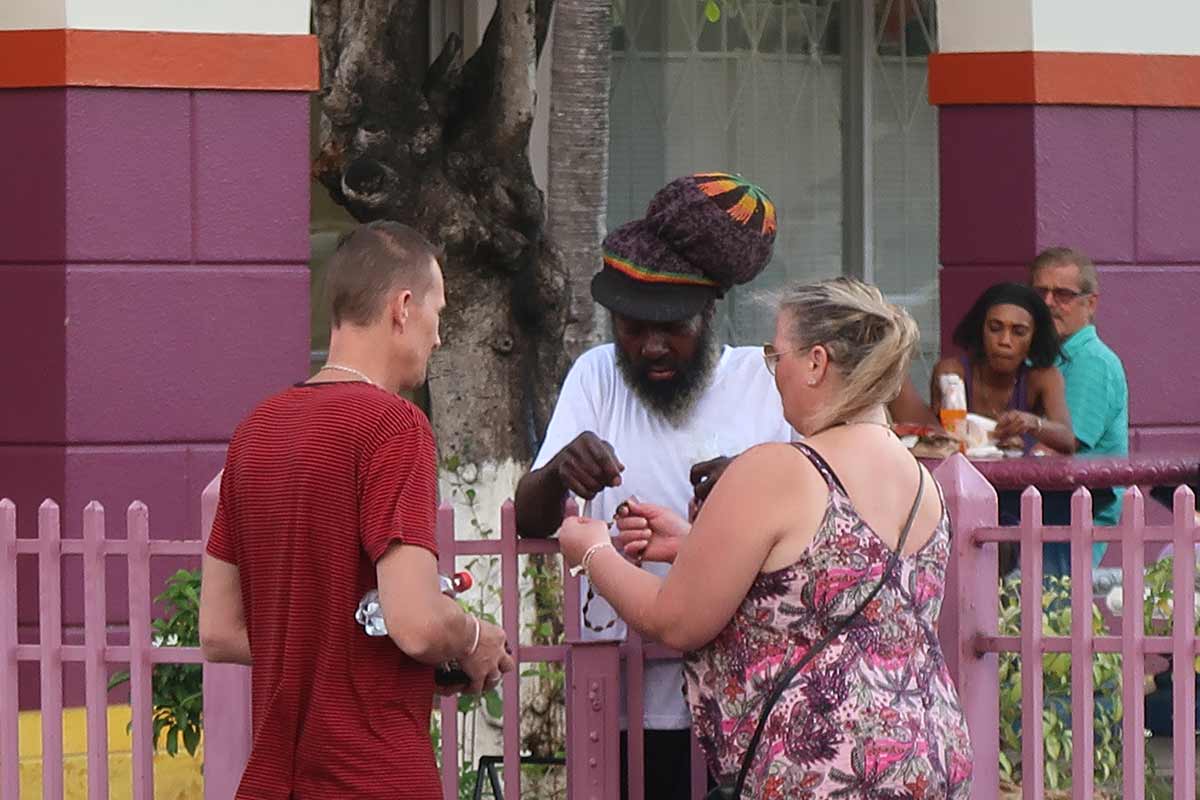
Jamaicans aren’t shy about sharing this information. They want you to enjoy their island safely. They know that tourists having good experiences benefits everyone.
I can write this guide, but I can’t give you real-time, location-specific advice for wherever you’re staying. Your hotel receptionist can.
Online forums and blog posts (including this one) give you general principles. But the security guard at your guesthouse knows that there was a robbery two streets over last week, or that the route to the beach is perfectly safe during the day.
When I arrive somewhere new in Jamaica, I ask:
- “Which areas should I avoid?”
- “Is it safe to walk to [specific location] at night?”
- “Are there any current safety concerns I should know about?”
The answers have consistently steered me away from trouble.
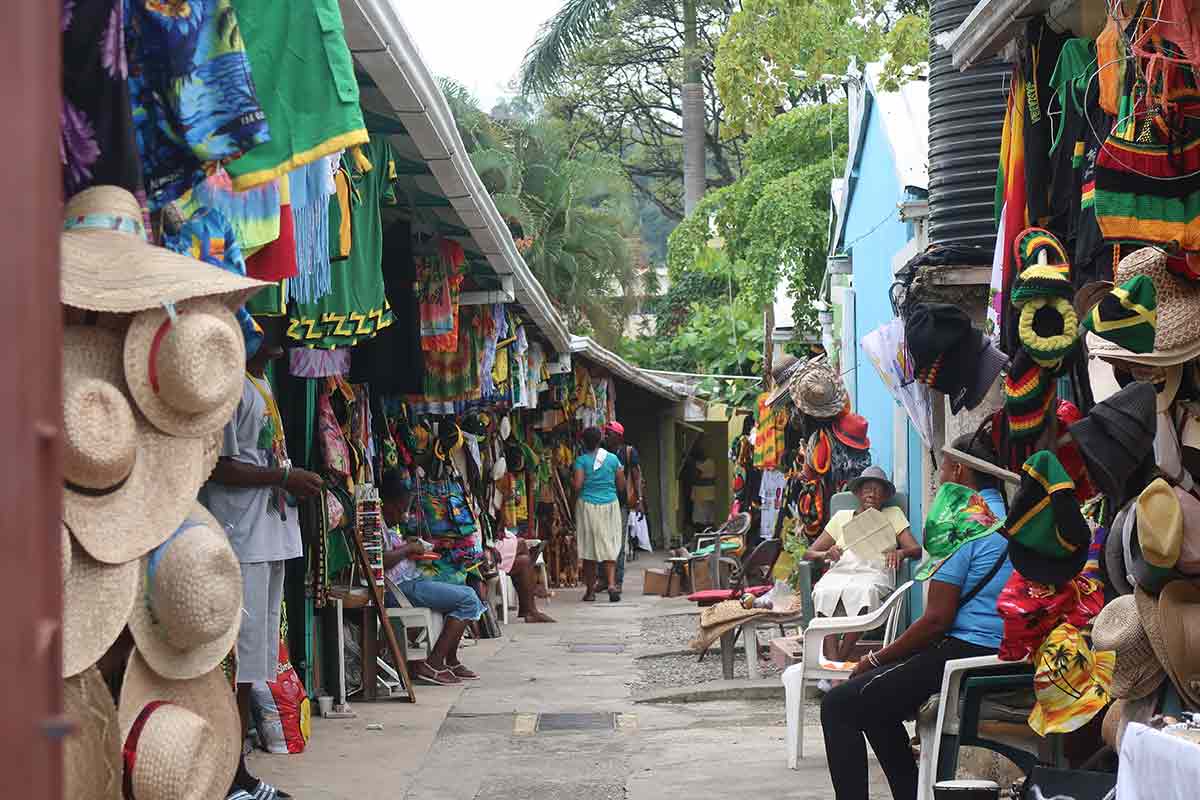
Cultural elements you may like to experience:
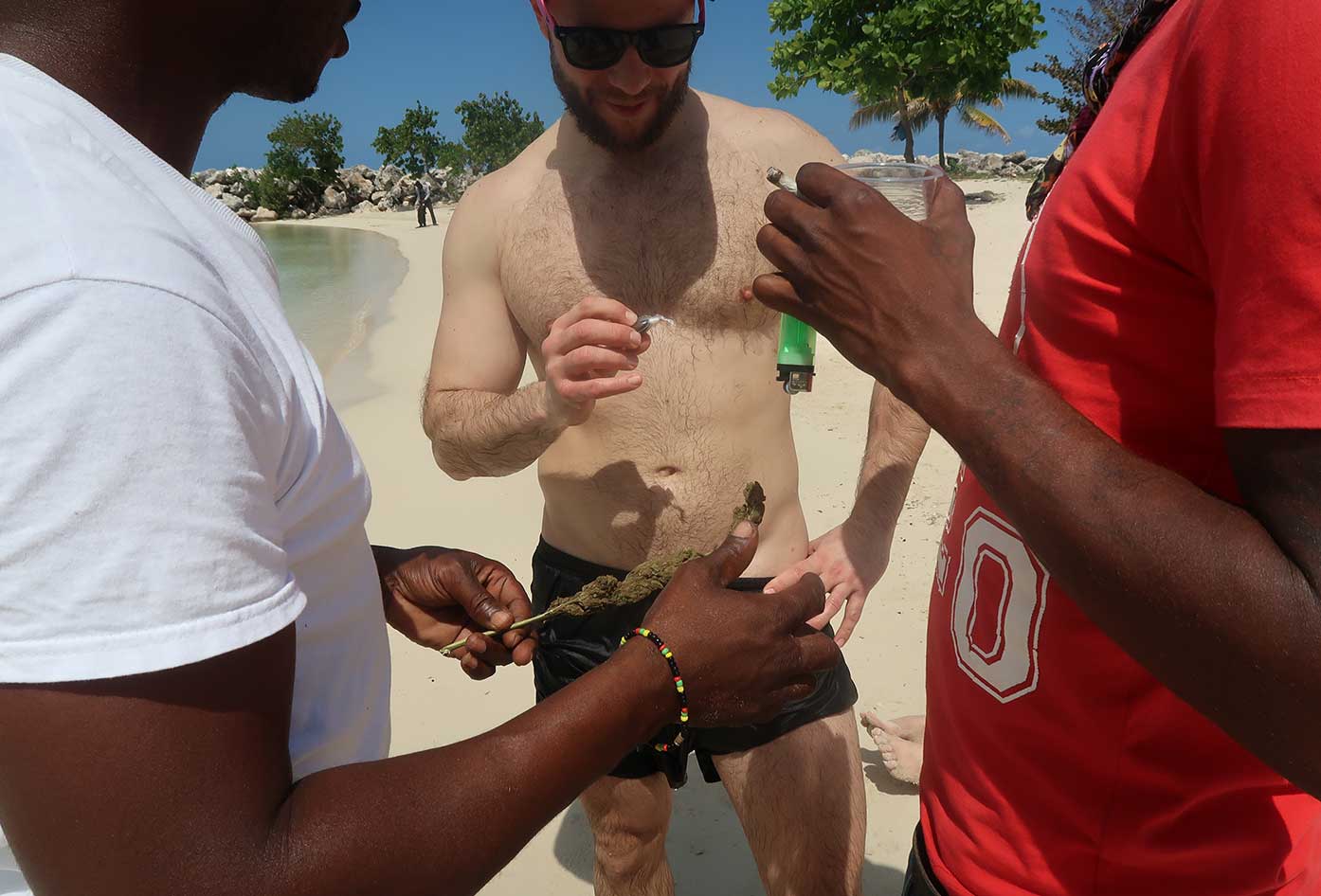
- Chilling with Rastafarians → Montego Bay
- Jamaican Bean to Cup Coffee Tasting → Kingston
- Bob Marley Mausoleum → Ocho Rios
Common Misconceptions About Safety in Jamaica
The biggest misconception I encounter is that Jamaica’s crime rate automatically makes it unsafe for tourists. That’s not how risk works.
Yes, Jamaica has areas with serious crime problems. But those areas and the people involved in that crime aren’t where tourists go or who tourists interact with. The overlap is minimal.
Think about it this way: London has dangerous neighbourhoods. Paris has areas tourists avoid. New York has high-crime zones.
But millions visit these cities safely every year because they stick to tourist areas and take basic precautions.
Jamaica operates the same way. Crime exists, but it’s not randomly distributed across the island, targeting whoever happens to walk by.
I practice caution in Jamaica. I don’t live in fear.
Caution looks like:
- Keeping valuables secure and out of sight
- Being aware of surroundings
- Taking taxis at night instead of walking
- Listening to local advice
Fear looks like:
- Never leaving the resort
- Assuming everyone is dangerous
- Missing out on experiences because of what-ifs
- Treating every Jamaican with suspicion
The difference matters. Caution keeps you safe. Fear keeps you from actually experiencing the place you’ve travelled thousands of miles to visit.
Final Thoughts: Is Jamaica Safe to Visit?
Is Jamaica safe? The short answer is yes, if you travel with awareness, respect local advice, and take standard precautions.
Jamaica isn’t a high-risk war zone where tourists face constant danger. It’s a Caribbean island with stunning beaches, incredible culture, and genuine safety concerns that can be managed through informed decision-making.
I’ve wandered through markets in Montego Bay, taken bamboo raft cruises, danced at beach parties, and eaten street food in areas that looked sketchy at first. I’ve done all this safely because I listened to locals, stayed aware, and didn’t put myself in obviously risky situations.
The travel warnings exist for a reason, but they shouldn’t stop you from visiting. They should encourage you to travel smarter.
📌 Like this guide? Click to Pin it…
👉🏽 Did you enjoy this guide? Feel free to buy me a coffee to say thanks!

I’ve been to Jamaica a few times and always felt safe enough there. Your article has so many places I’ve not seen though. I’d love to find out more about Rastafarian culture and visit Bob Marley’s house.
I would love to visit the Caribbean I hope next year. My husband and his friends had a guys trip in Cuba and Jamaica. Pinning to make sure I come back to your travel tips.
That’s a detailed post on what to see, what to do, how to get around, and more in Jamaica. Especially, I like how you pointed out the main places to see in every place whether it’s Montego Bay or Negril. It makes it easy for the first-timers like me to plan.
I have often heard that Jamaica is the best island in the Caribbean. You just gave me a comprehensive overview. You had me with the Bob Markey Museum, the Blue Hole and the pineapple plantations!
From what I heard it’s 100% safe! I was planning to visit myself next year and I really loved this article. I like how you pointed out the main attractions to see in every different place. Saving this for future use!
Almost all the places have their good and bad. We, as travellers need to highlight the good things about a place. Jamaica is a beautiful country and I would love to explore the place. You are right that it is important to know a few words of the local language. It helps to interact with the locals. I would love to know more about Rastafari village and its culture. Thanks for sharing the tips on Jamaica.
I have travelled quite extensively and must say that one of the only reasons why I have not ventured out to this paradise is safety. I travel with my kids and there is more news about the unsafety than the great aspects that you have highlighted. There is so much to see and do in this country including some great culture and food. The Jamaica phrase book would be really helpful I must admit. I like the hotel where you stayed, it’s quite nice and filled with character. Thanks for sharing the good sides of Jamaica.
Thanks for such an informative post. I guess everywhere has dangers and it’s a case of being alert and aware. The personal taxi driver sounds like a good tip though. Obviously making sure it’s a genuine company. Staying at the same place Obama stayed at would be cool too…
Thanks for sharing the beauty of Jamaica. I believe this place is safe for everyone. And I also believe that these medias only use the cons to sensationalize the issue which leads to confusion and scare to many. Better to experience it first (with caution) then we decide!