With one search online you can find answers to the question:
Is Mexico safe to travel? It is a question I’ve wrestled with myself.
Not because I expected danger, but because I’d absorbed the same distant narratives most people do before they arrive.
Let’s be honest… It’s hard not to. When a country is discussed mostly through headlines, it’s easy to mistake noise for reality.
This post contains affiliate links. Layer Culture is supported by you and I may earn a small commission (at no extra cost to you) if you make a purchase by clicking a link. Learn more.
Is it Safe to Travel to Mexico?
I didn’t arrive in Mexico asking myself whether it was “safe.” What I was curious about was: rhythm, people, places and objects.
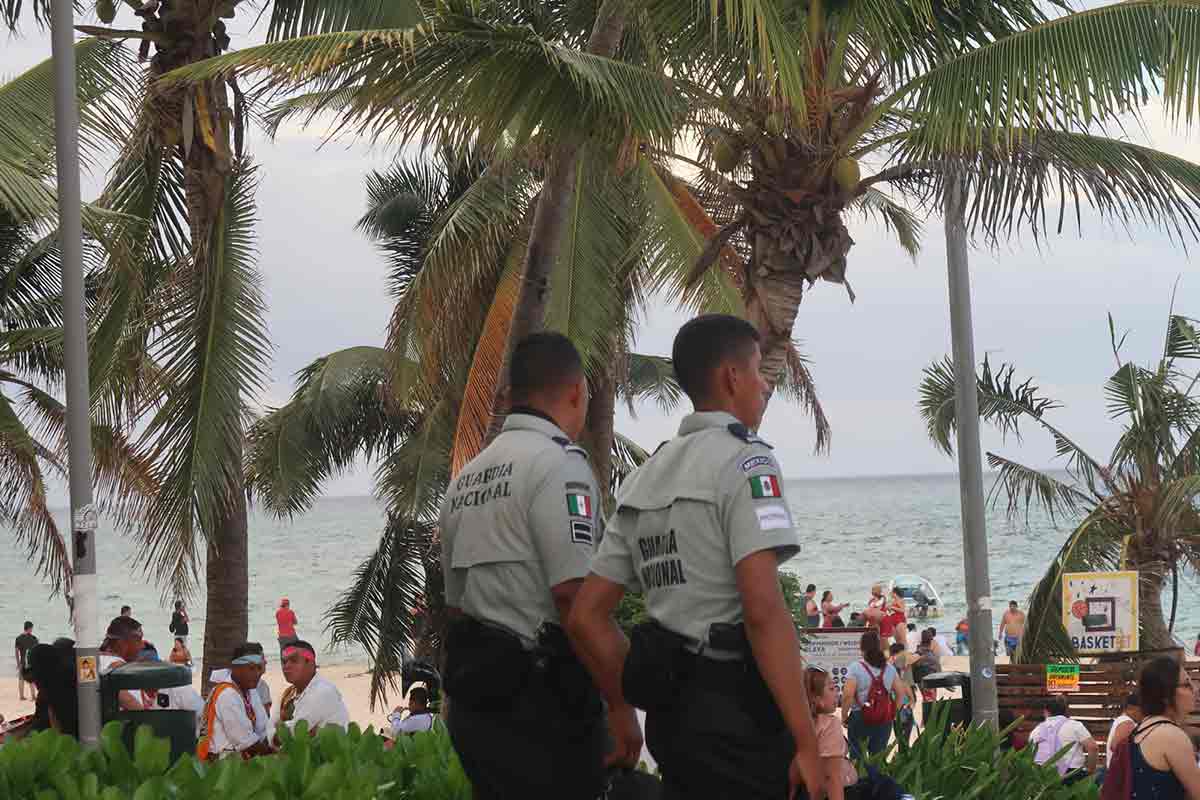
For me, it’s the small details that reveal whether a city feels familiar or foreign. Safety, I discovered, rarely announces itself.
Instead, it emerges in patterns: how people occupy streets, whether life feels rushed or social and how quickly a neighbourhood begins to feel like it belongs to someone rather than just to tourists.
In Mexico City, noticing those patterns took time. My first days were spent wandering neighbourhoods instead of ticking off attractions.
I watched how locals moved through plazas, how evening routines unfolded and which streets felt more lived-in. That attention replaced abstract worry, teaching me that fear is less useful than presence.
My First Lessons in Attention
Leading up to this trip, I had been inspired by Joseph Campbell’s reflections on following curiosity and adventure.
I imagined myself exploring the waterfalls and cenotes I had read about, diving into deep pools of water and tasting the regional variety of Mexican food.
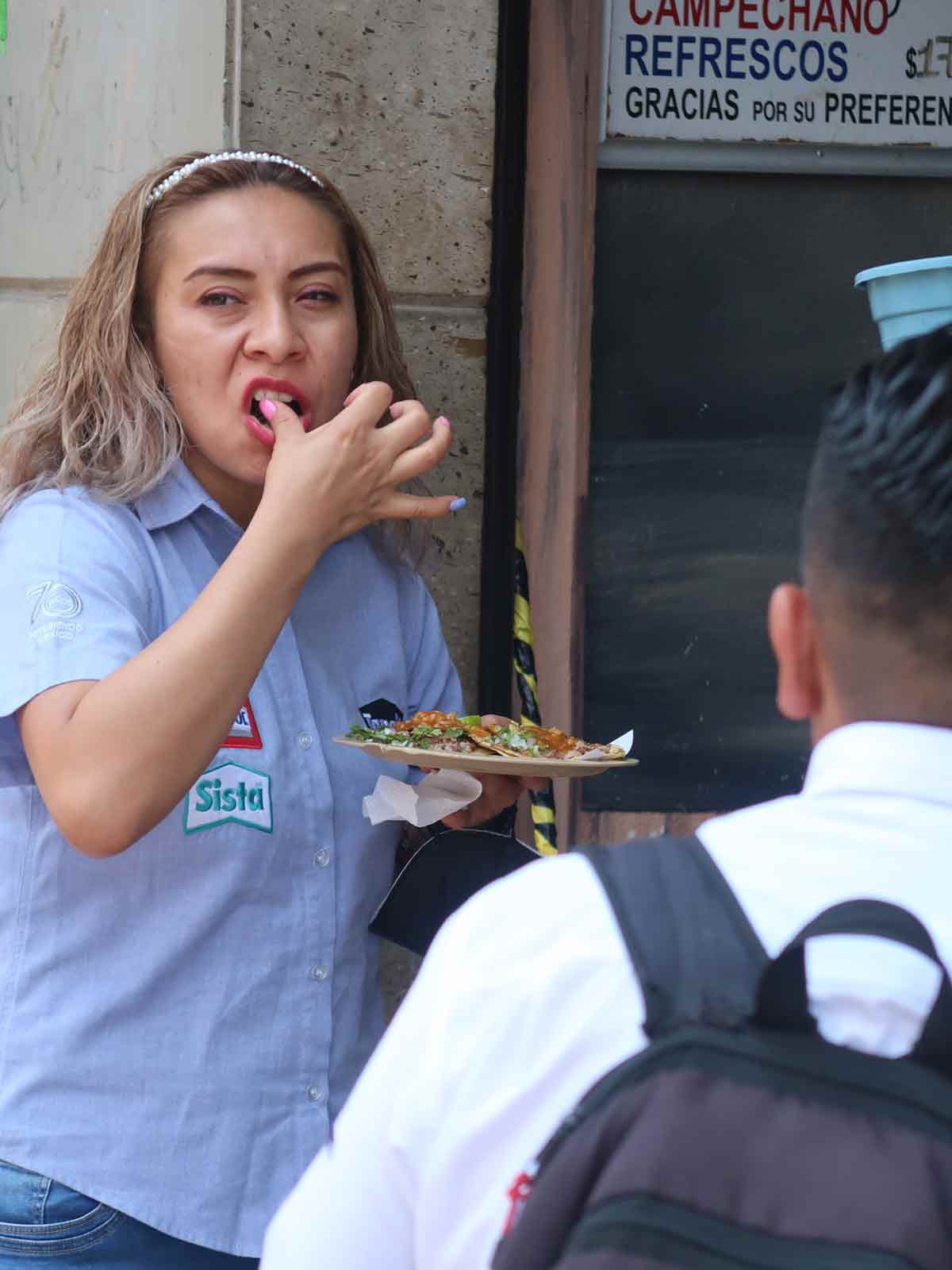
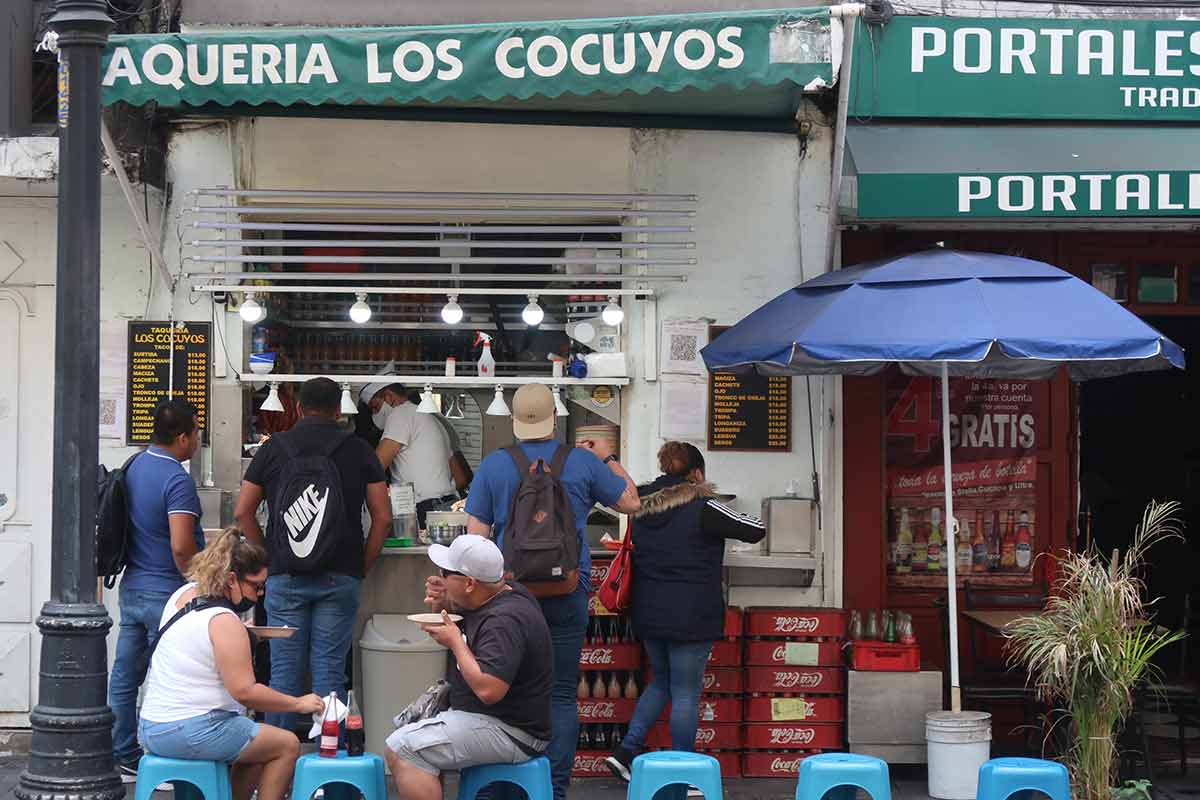
Food, in particular, became a way to connect with place. Each taco stand or mercado felt like a small lesson in observation and cultural awareness.
I remember the first tacos I ate in the Yucatan, the way the morning sunlight fell across the streets and the chatter of people around me.
In those moments, I realised that moving attentively (noticing rhythms, smells and sounds) offered a form of safety no checklist could.
It wasn’t about avoiding danger; it was about understanding the environment enough to make small, confident decisions.
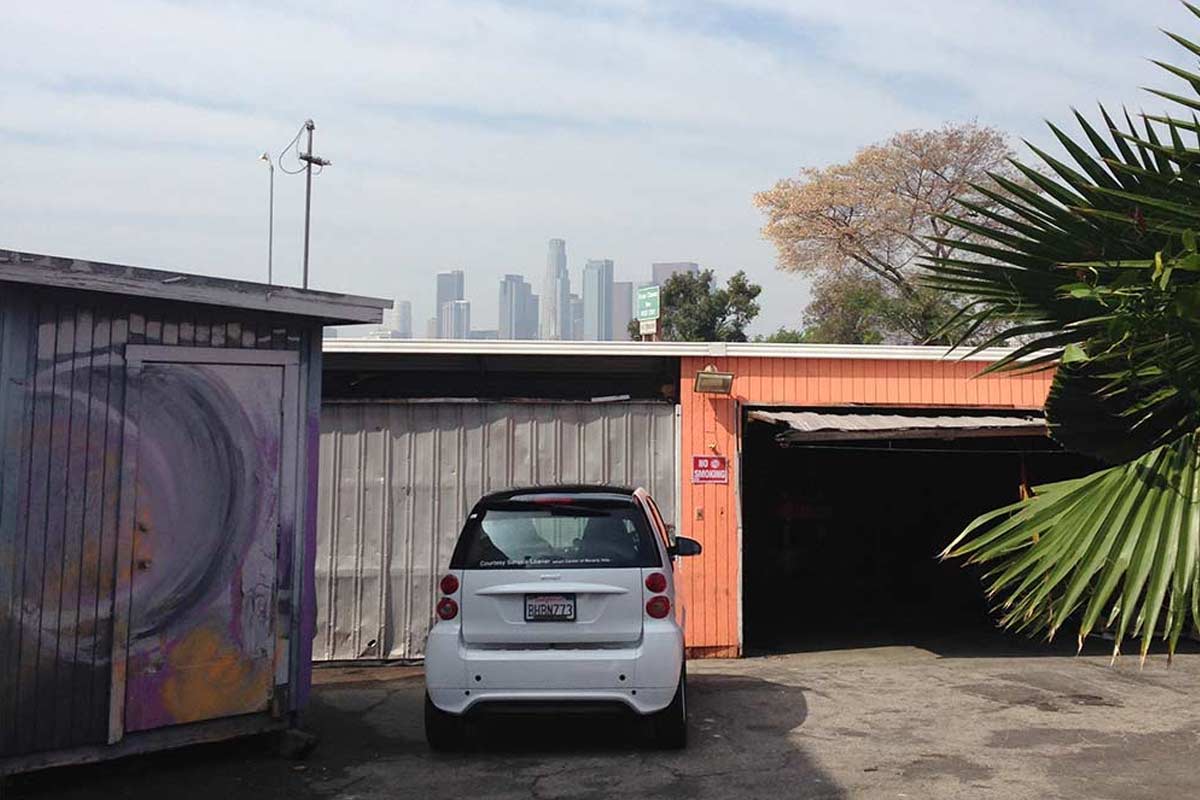
Even my first experience at LAX, connecting to Mexico City, carried lessons. The check-in desk attendant spoke quickly in accented Spanish and I felt a brief moment of confusion.
But rather than worry, I focused on listening, adjusting and moving through the interaction with awareness. That mindset (curiosity tempered with attention) would become my default for the entire trip.
Mexico had long captured my imagination through the vibrant Mexican community in Boyle Heights, East Los Angeles and through my desire to improve my Spanish whilst travelling.
No matter whether I was in La Paz or Mexico City, what I learnt on the ground was different from expectations: safety is less about rules and more about understanding context. Paying attention, slowing down and letting the city reveal itself became my most effective guide.
Travelling Through Mexico Alone
Travelling alone in Mexico felt less about rules and more about rhythm.
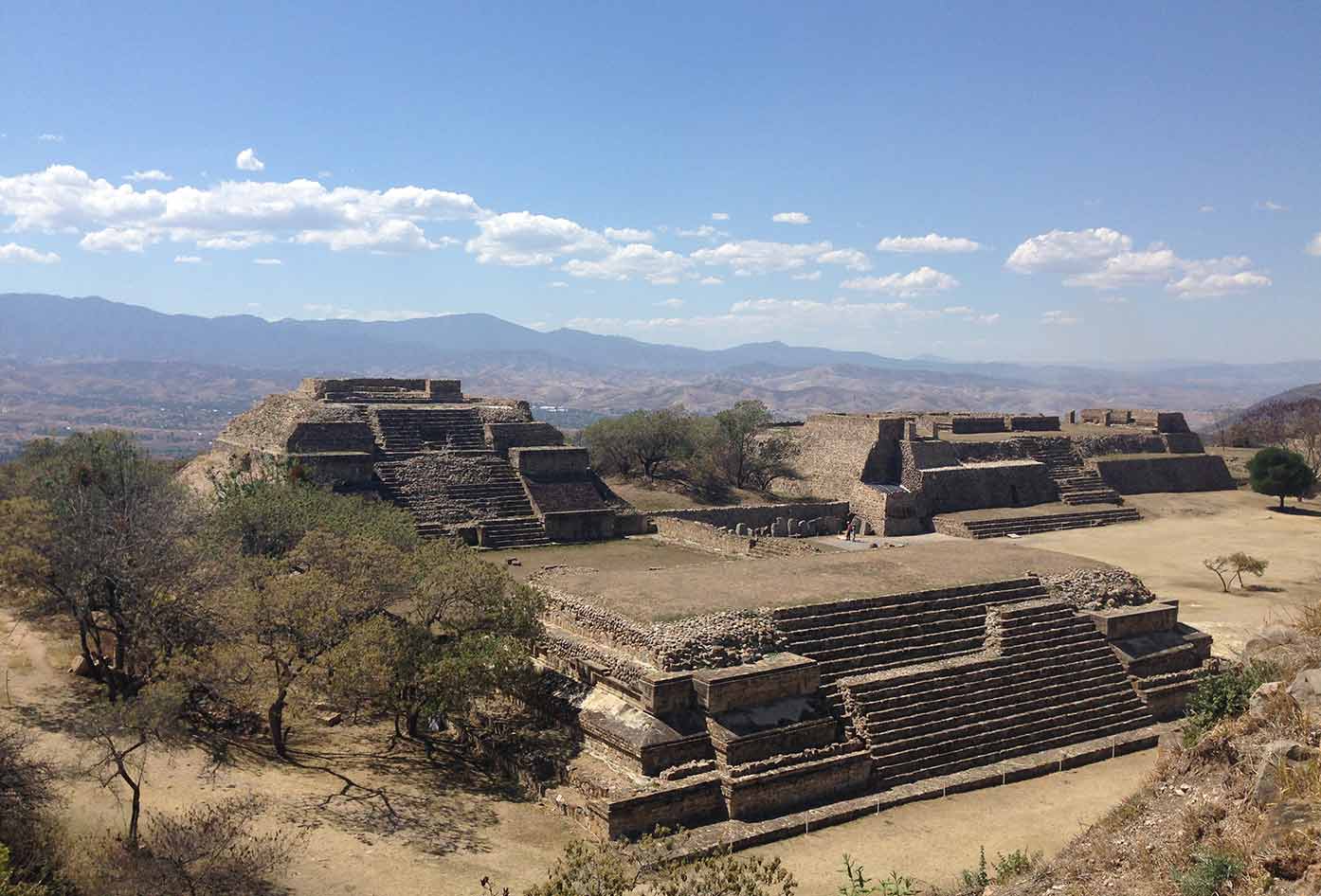
In Oaxaca, I learnt that mornings in the plaza offered a sense of calm and visibility, whilst evenings in quiet streets required simple awareness, not fear.
In Cancún, the pace was different: bustling crowds, the all inclusive resorts and tourist-friendly spaces made movement predictable and I quickly realised that paying attention to flow mattered more than any warning.
What I noticed across cities was a pattern: the places that felt uncomfortable weren’t inherently dangerous. They were spaces where life was less visible, or where I hadn’t yet tuned into the local rhythm.
Solo travel became safer the moment I slowed down, observed and let the city reveal itself naturally. That meant knowing when to pause, join a local gathering, or trust that a street didn’t feel right.
The lesson that stayed with me is simple: safety in Mexico isn’t about avoiding everything unfamiliar. It’s about moving attentively.
Being present, noticing how people interact with their environment and following intuition made solo travel not only manageable but deeply rewarding.
What Changes When You Slow Down
Mexico is the most visited country in Latin America, but for me, my first trip in 2024 was about more than tourism. It was a journey with intention.
I approached the trip differently than my previous travels. I wanted to study Spanish, explore local food, understand daily life and immerse myself in traditions.
All approached at a pace that allowed observation and reflection. Every choice, from the neighbourhoods I wandered to the markets I lingered in, became a lesson in paying attention and slowing down.
Like all my travels, this one was self-funded. I booked my flight months in advance without a fixed plan for where to stay or exactly what I’d do.

That uncertainty forced me to move carefully, notice patterns in each city and trust my instincts. Lessons that have shaped every journey I’ve taken since.
Here’s what slowing down taught me: when you stop rushing from attraction to attraction, you start noticing who inhabits spaces.
Ask yourself:
- Do I see families here?
- Are shops open and busy?
- Is street life visible, or does this feel empty?
These questions became more useful than any safety rating.
Safety Changes From Place to Place
Safety in Mexico isn’t uniform. It shifts depending on where you are, how people move and how familiar the rhythms of a place feel.
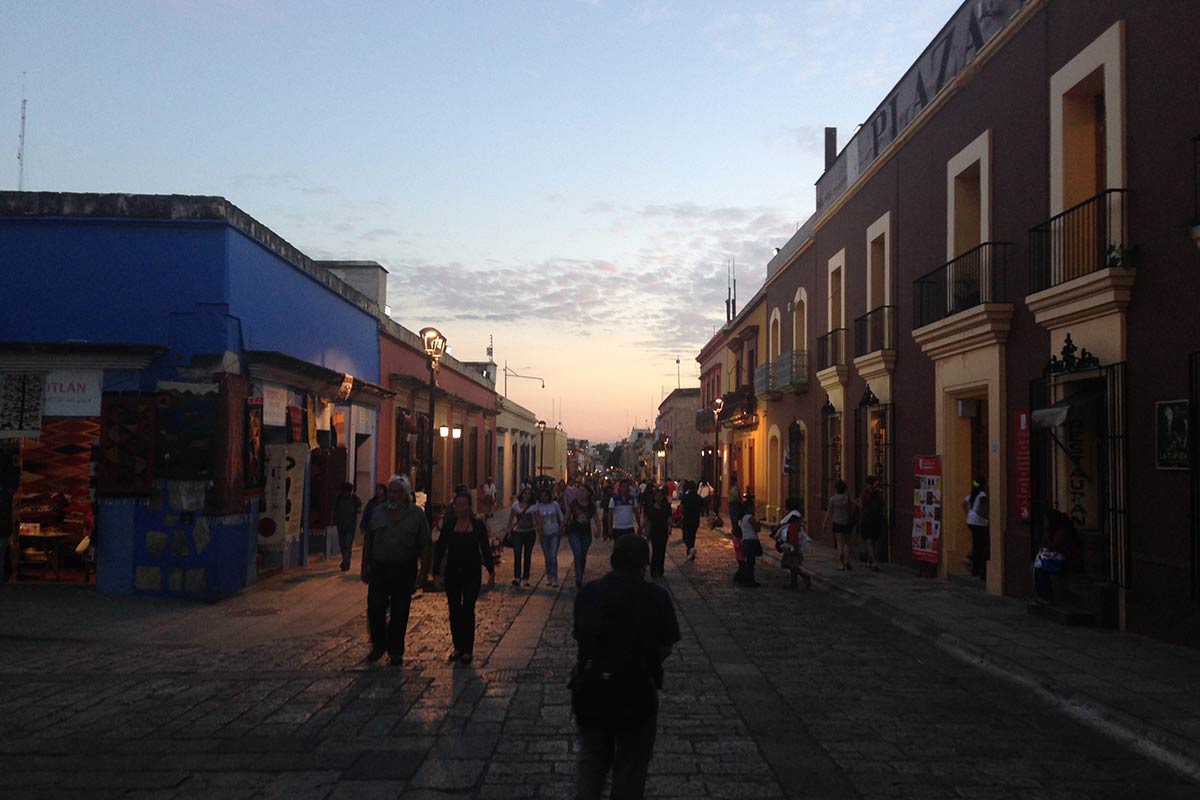
Oaxaca, for example, is often listed as a place to “take increased caution,” yet my time there showed a city full of tourists and locals living their days in plain sight.
Observing patterns became my guide: bustling plazas, visible routines and communities that felt lived-in signalled comfort far more reliably than any map could.
By bus I travelled through:
- Mexico City
- Cuautla
- Cuernavaca
- Tepoztlán
- Oaxaca
- Puebla
- Cholula
- Chiapas
- Mérida
- Playa del Carmen
- Tulum
The long distances felt overwhelming at first, but I learnt to read the flow of people in stations like TAPO in Mexico City, to notice which lines moved steadily and to trust hosts’ advice when navigating new neighbourhoods.
That awareness allowed me to experience hundreds of miles of Mexico safely, without relying on a checklist of “do’s and don’ts”.
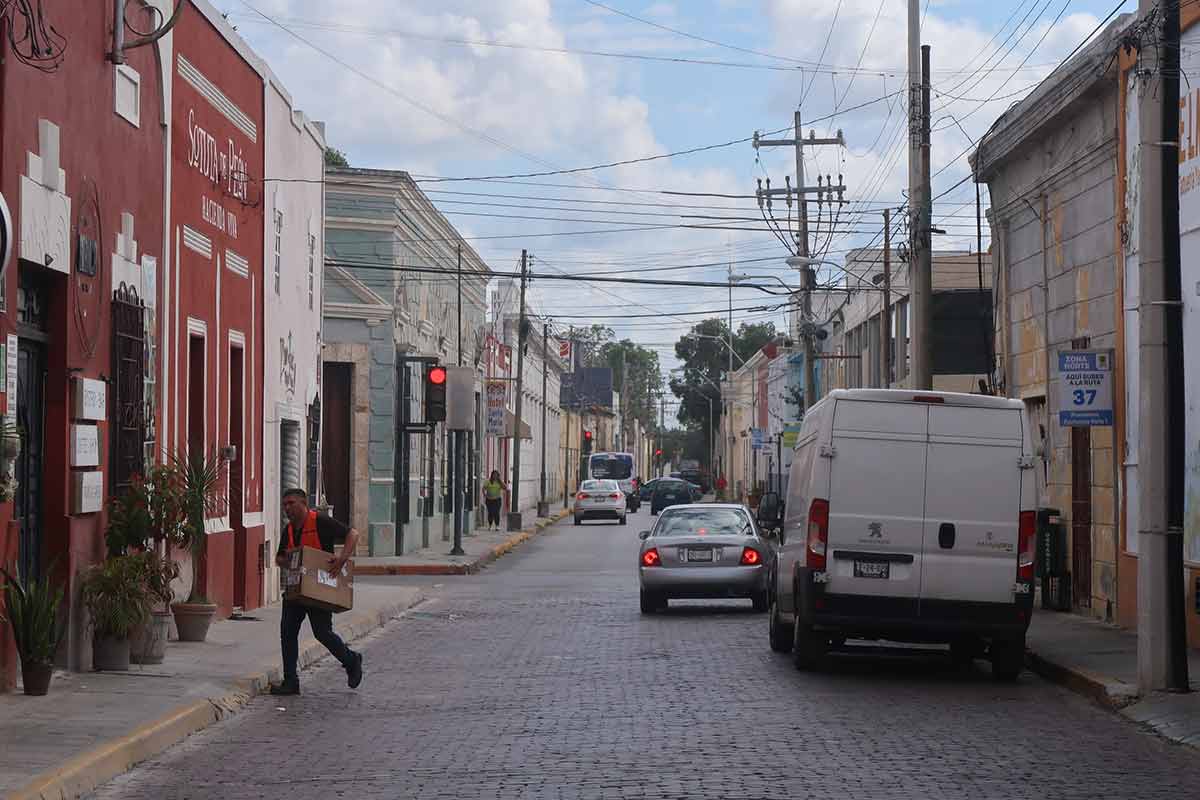
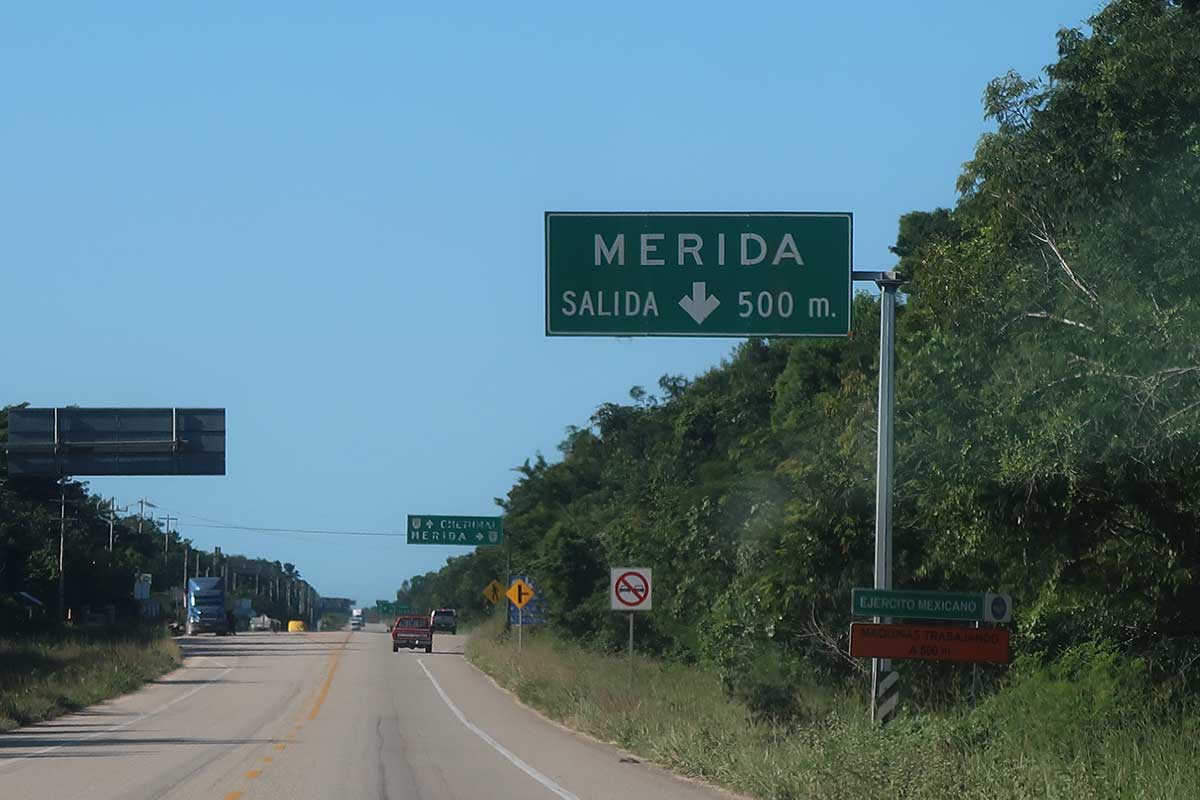
In Mérida, safety felt like the hum of evening markets and the distinct cuisine that set it apart from other regions. In Chiapas, it was the weight of history in quiet streets, where I needed more time to absorb the rhythm.
Each place taught me that context matters more than blanket warnings.
Plans changed constantly. I had considered travelling overland from Los Angeles to Puerto Peñasco, but after meeting friends Omar and Araceli, I rerouted to fly into Mexico City instead.
Each adjustment taught me a lesson: safety isn’t about rigid itineraries. It’s about flexibility, observation and knowing when to follow guidance from people who understand the local rhythm.
By the time I explored many areas of Mexico City, I didn’t question safety abstractly. My hosts offered advice about which areas to focus on and I noticed that main streets and lively neighbourhoods felt easier to navigate.
That same pattern repeated across other cities: safety emerges from paying attention to how people inhabit spaces, rather than obsessing over headlines.
Moving Around Mexico Without Fear
I’d heard the usual horror stories about travelling by bus in Latin America and Mexico was no exception.
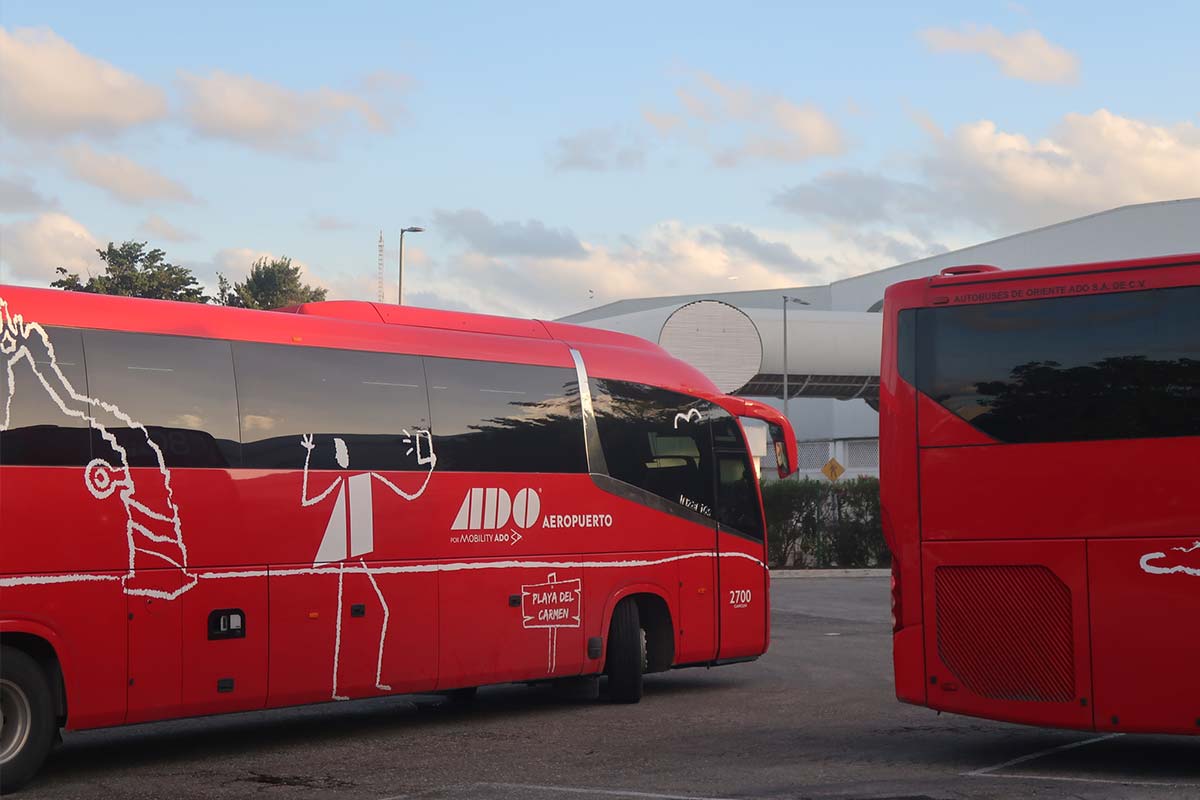
But my experience was different: moving slowly, paying attention and observing how locals navigated stations and routes made even long-distance journeys feel manageable.
The chaos wasn’t random danger. It was a rhythm, a pattern I learnt to read.
Mexico City became my base and I travelled across the country by bus, often covering hundreds of kilometres at a time. What made the difference wasn’t which company I used or whether a bus was labelled first class.
It was noticing how crowds moved, how schedules flowed and which stops felt lived-in versus empty or isolated.
That awareness turned potentially overwhelming trips into manageable, even rewarding, adventures.
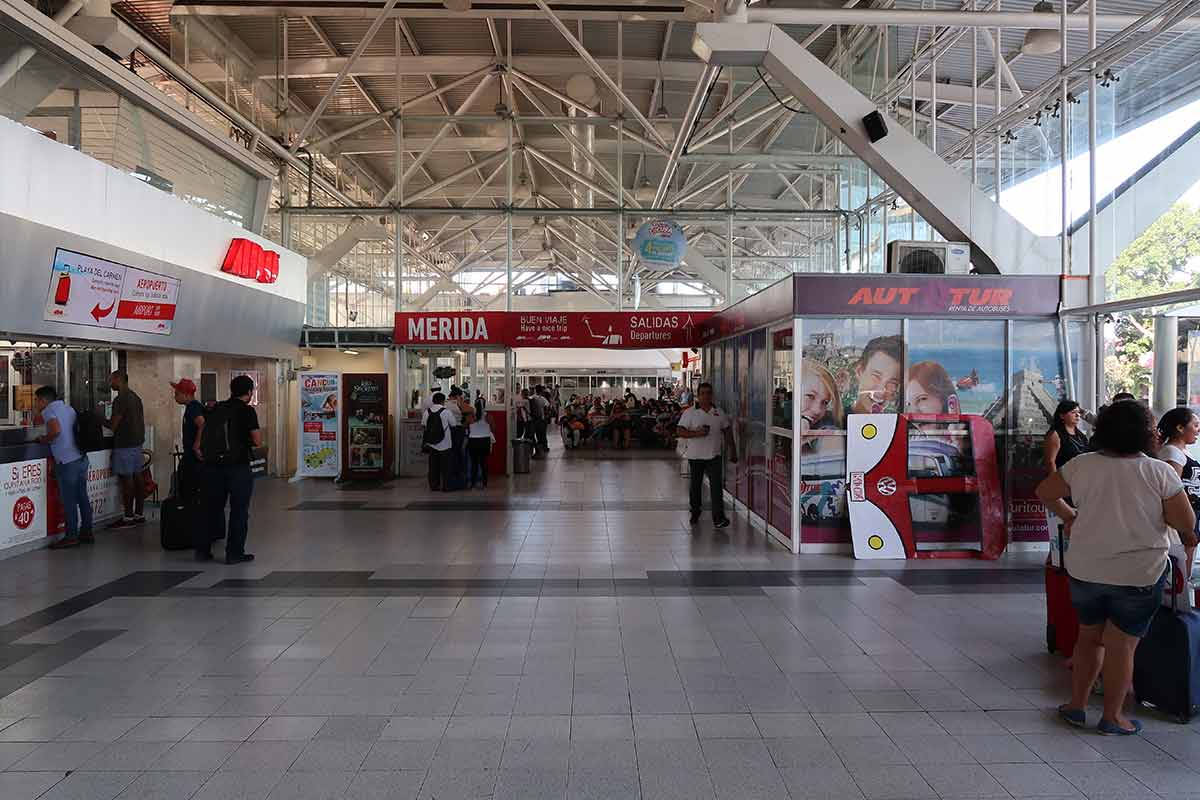
A practical tip: Notice who else is travelling. Families? Workers commuting? Students? This tells you it’s a regular, trusted route. If a station feels empty or tense, that’s worth noting too.
The lesson is simple: safety on the road isn’t about avoiding buses or obsessing over ratings. It’s about moving attentively, choosing routes and times that feel right and trusting your observations.
Once you slow down enough to notice the flow of people and the rhythms of the stations, travelling Mexico by bus becomes less a question of risk and more a lesson in awareness.
What Bus Travel Taught Me About Awareness
Long journeys by bus in Mexico became lessons in attention more than anything else.
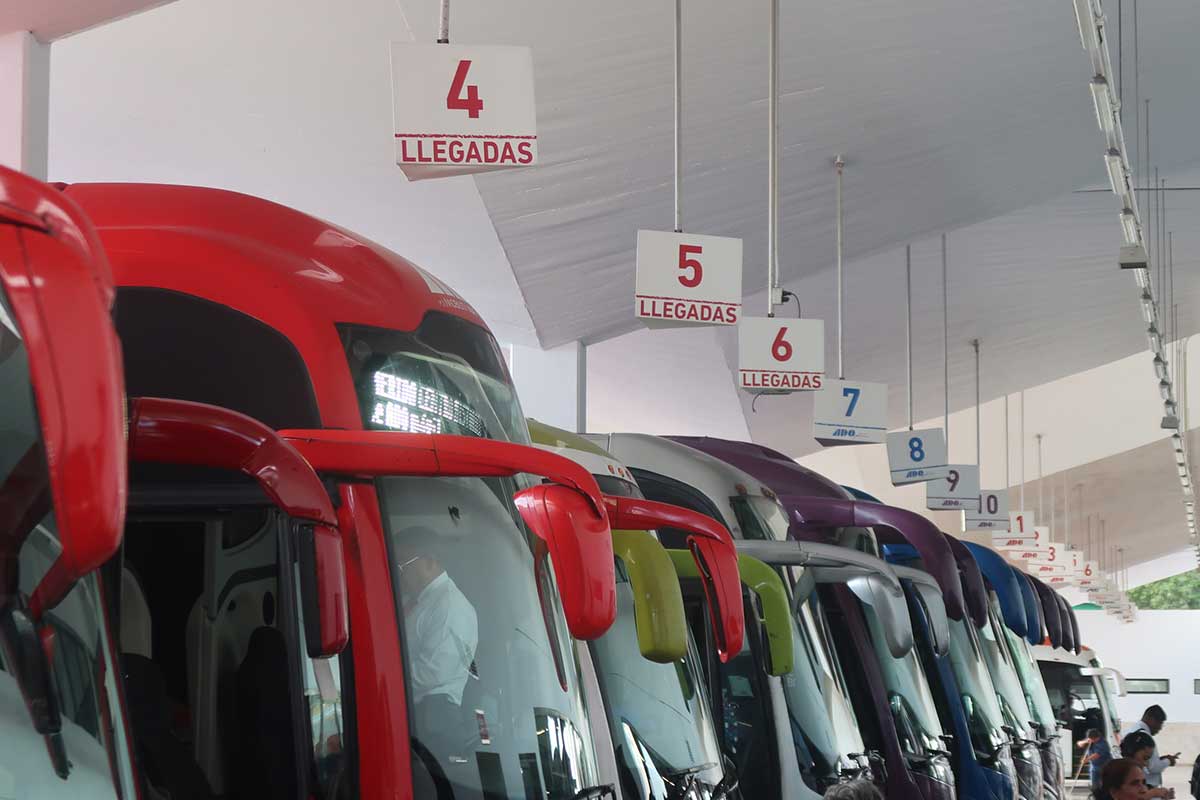
One of my longest rides, from Mexico City to Oaxaca, stretched across seven hours of changing landscapes, towns and routines.
At first, the distance felt endless, almost intimidating, but it quickly became an opportunity to notice patterns: how passengers settled in, how stops unfolded and which neighbourhoods felt lived-in versus transient.
Carrying a book or listening to a podcast became more than a way to pass time. It helped me observe without distraction, tuning into small details of life passing outside the window.
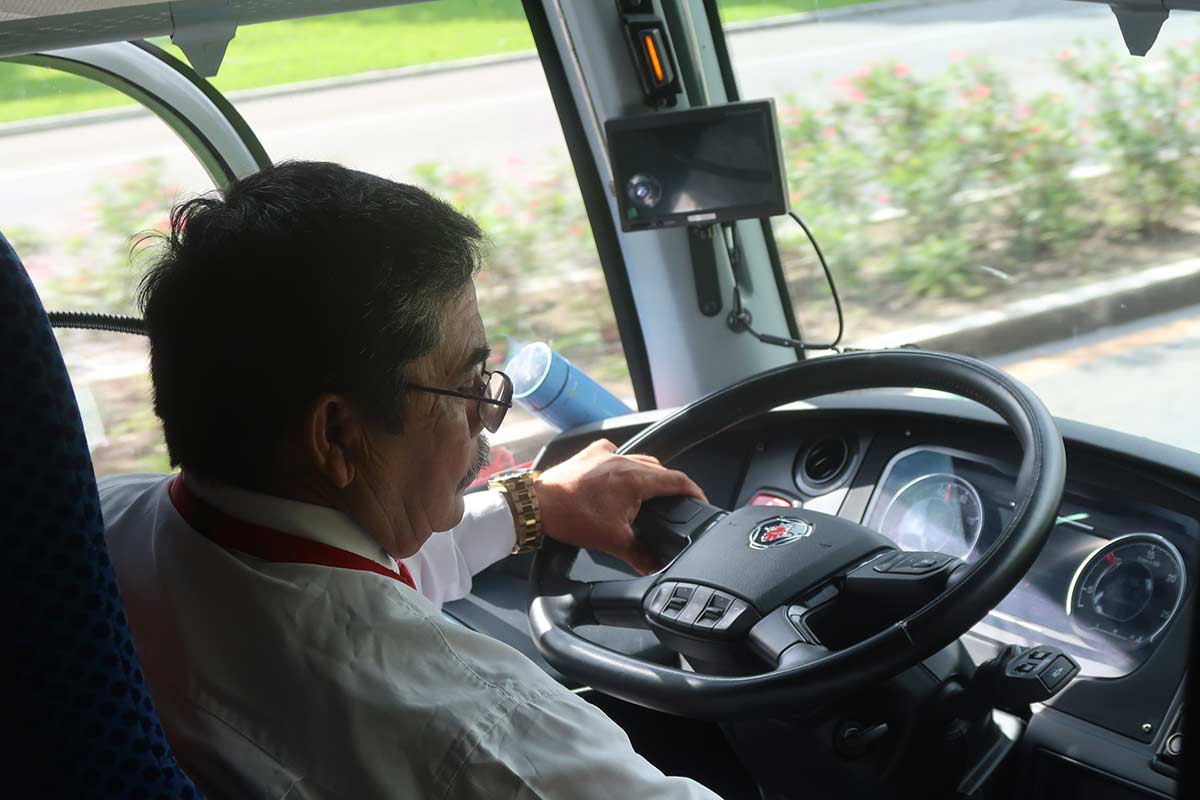
Each stop, each interaction, reinforced the idea that awareness is a traveller’s most reliable tool. Safety isn’t guaranteed by the type of bus or the duration of the trip.
Safety emerges from:
- Noticing rhythms
- Being present
- Trusting your instincts in motion
Oaxaca itself was a revelation. The city felt alive in a way that matched the flow I’d learnt to read on the bus.
By the time I stepped off at my destination, I understood that long-distance travel in Mexico isn’t a series of risks to avoid. It’s a chance to practise patience and observation.
What Safety Really Feels Like in Mexico
Whether wandering through a bustling café in Mazatlán or diving into a cenote in Tulum, Mexico offers countless ways to experience its culture and landscapes.
After spending time across Mexico’s cities, towns and neighbourhoods, I found that most discomfort comes from unfamiliarity rather than actual danger.
Safety isn’t a checklist. It’s about paying attention, noticing patterns and moving with awareness. If you approach Mexico with attention and respect, the country reveals itself as full of discovery, colour and life.
Move deliberately, notice the rhythms around you and trust your observations more than distant warnings.
For more practical advice on navigating Mexico, check out these comprehensive Mexico travel tips that complement what I’ve shared here.
👉🏽 Did you enjoy this guide? Feel free to buy me a coffee to say thanks!

Immersion is the best way to learn a language. I’m so glad you took a chance on Mexico – I agree that you need to be aware of what areas are safe and being mindful. I’ve not been to Oaxaca but everyone I know who has loved it. We went to a small area in the south called Mahahual and found the people warm, the cuisine delicious and the Mayan ruins amazing. Looking forward to seeing more like this.
That’s so nice to read. Bad incidents make it to the news, and for the right reasons I believe. Mexico looks like a fabulous country to explore. Thanks for this detailed travel and cultural guide.
I have not been to Latin America yet, but I am sure you had such an interesting time there. I would love to visit this part of the world, and Mexico will surely be a great place to start with. Thanks for mentioning the list of things to do – that’s really helpful.
You had a really immersive travel experience in Mexico. Yes, there are always places that are safe and not so safe in every city and country in the world, and Mexico is no exception. As you have mentioned as long as you exercise caution and follow local advice things should be fine. I have never been to Mexico, but hope to get there someday. Especially for the Mayan ruins in the vicinity and the food.
I learn languages best by immersion – I would love to spend some time in Mexico learning Spanish better. Do you have any tools, resources, or schools to suggest for someone learning Spanish? Thanks for all of this great information- I want to book a trip to Mexico right now!
Thank you SO much for sharing this blog with the world. Mexico is easily one of our favorite countries ever. Such beautiful people and countryside. And it is TOTALLY safe… we even spent some time in Sinaloa (over 6 weeks in total) and never felt unsafe once.
I’ve always believed that Mexico is a safe place to travel. Only the big media is scaring the people and sensationalizing it because they get profit from any news that they do. I wish to visit Mexico. Lots of my favorite movies a.d actors are from there… And experience the food!
Mexico looks like a beautiful country to visit. I am sure all countries have their own good and bad. We can actually talk more about the good things so that more and more people visit the country. I have not visited Latin America yet, but I do plan to visit the area soon. Loved reading your article. So can you speak good Spanish now?