When people ask if Mexico is safe, they’re looking for a yes or no answer.
After spending months moving through the country, I realised the real question isn’t about safety at all. It’s about understanding.
The difference between feeling unsafe and feeling at home often comes down to one thing: whether you’ve learnt to read the cultural patterns around you.
These patterns, the small rhythms and habits that shape daily life, reveal more about navigating Mexico than any travel warning ever could.
This is what I learnt about reading Mexico through its people, language, and the cultural signals that transformed how I moved through the country.
This post contains affiliate links. Layer Culture is supported by you and I may earn a small commission (at no extra cost to you) if you make a purchase by clicking a link. Learn more.
Mexico City: Neighbourhoods Over Attractions
Walking around Mexico City was an eye-opener. There’s so much to discover. I’m amazed to this day by all the things to do for free if you simply look.
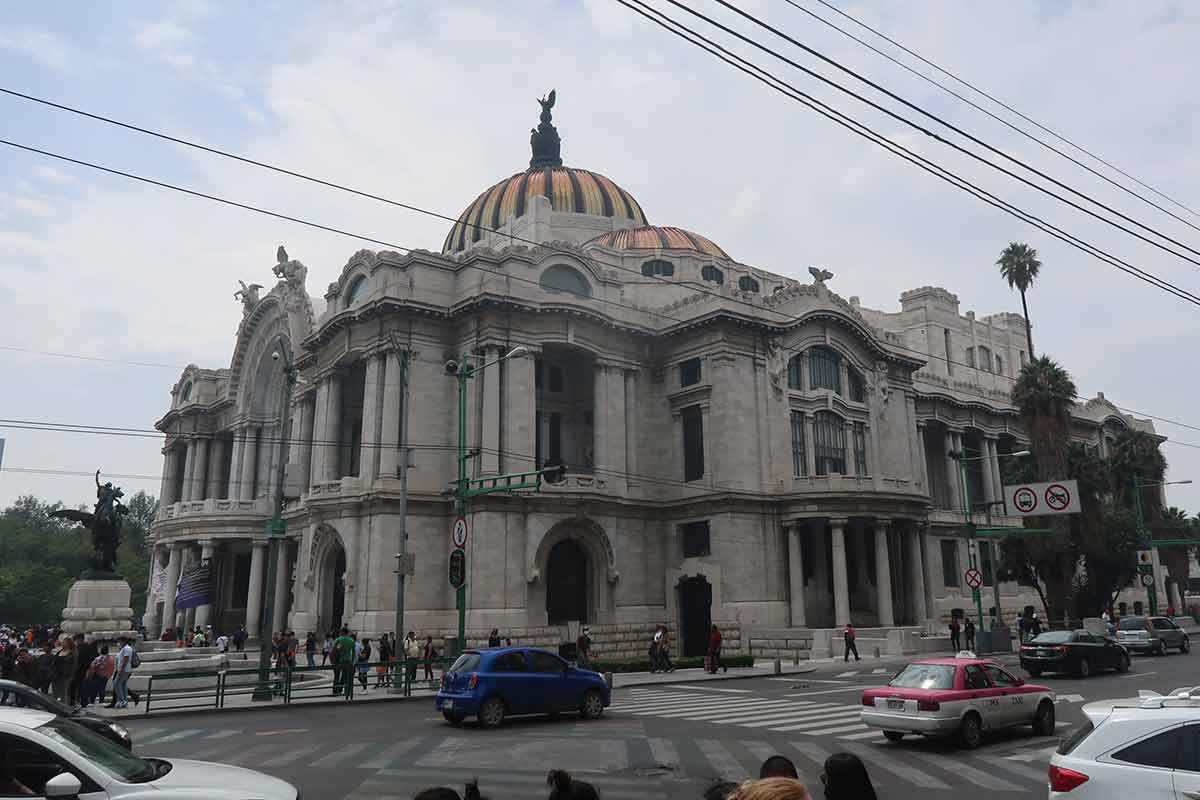
Plazas, murals, and bustling markets filled with life at every corner.
Not knowing the language at the time was daunting. Even with a few phrases, I hesitated to talk to strangers or start new conversations.
But those moments became lessons in observation: reading body language, listening closely, and noticing the subtle rhythms of the city.
Safety in Mexico City didn’t come from maps or news stories. It came from paying attention to how people moved, where streets felt lived-in, and which neighbourhoods pulsed with daily life.
Rather than worrying about distant warnings or resorts, I focused on what I could experience and understand firsthand.
I spent my time moving through neighbourhoods rather than ticking off famous sites. Attending family gatherings, weddings, and local events gave me a window into daily life that no museum or monument could provide.
Even moments like watching a Lucha Libre match became lessons in observing energy, tradition, and how people connect in public spaces.
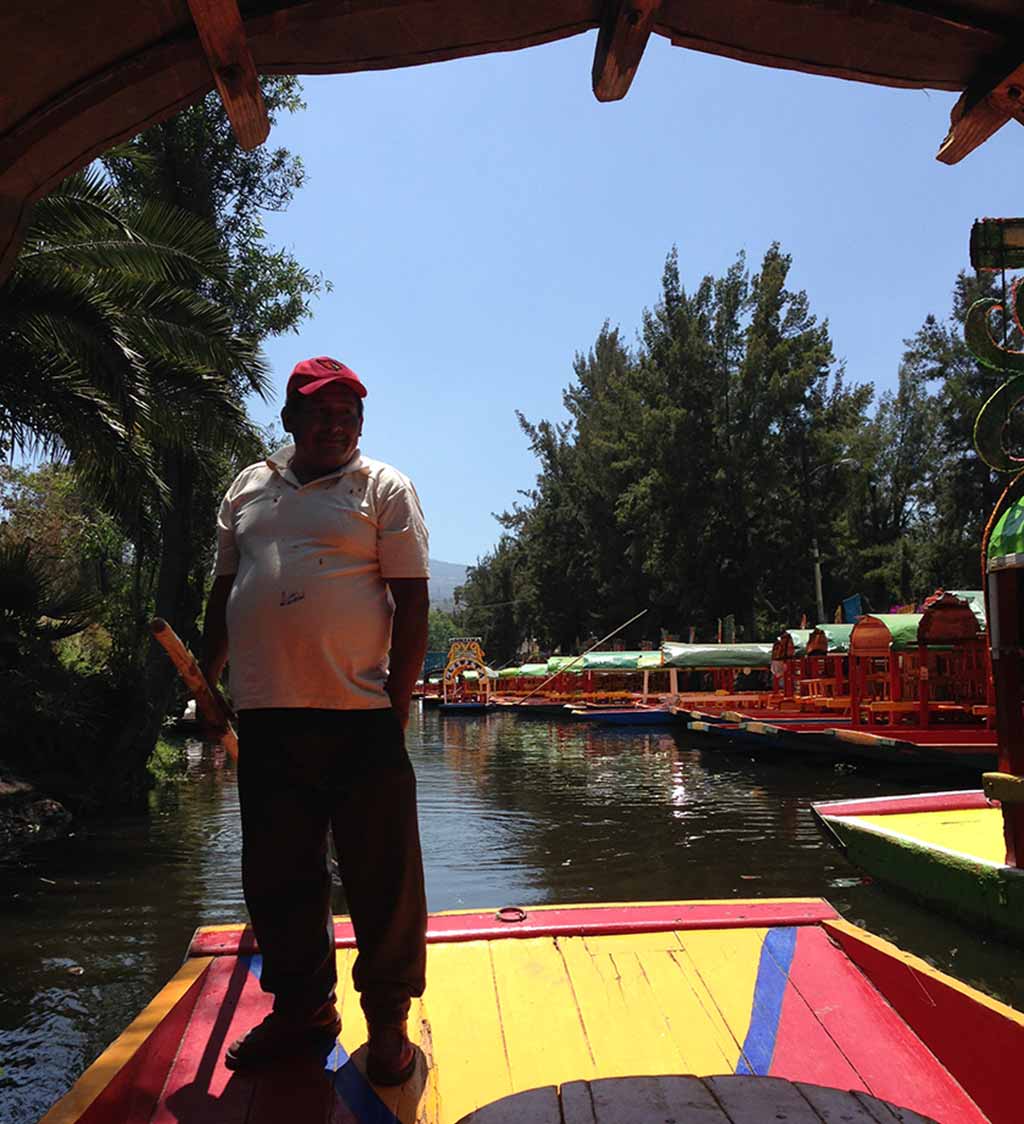
Exploring areas like Coyoacán or the floating gardens of Xochimilco wasn’t just about seeing sights. It was about noticing rhythms, patterns, and the ways communities inhabit their streets.
Here are some other tourist attractions I visited:
- National Museum of Anthropology
- Frida Kahlo Museum
- Mexico City Metropolitan Cathedral
- Monumento a la Revolución
- Torre Latinoamericana
- Ciudad Universitaria
Riding a trajinera along the canals, I realised that some of the most memorable experiences happen when you slow down and let a neighbourhood reveal itself, rather than rushing from attraction to attraction.
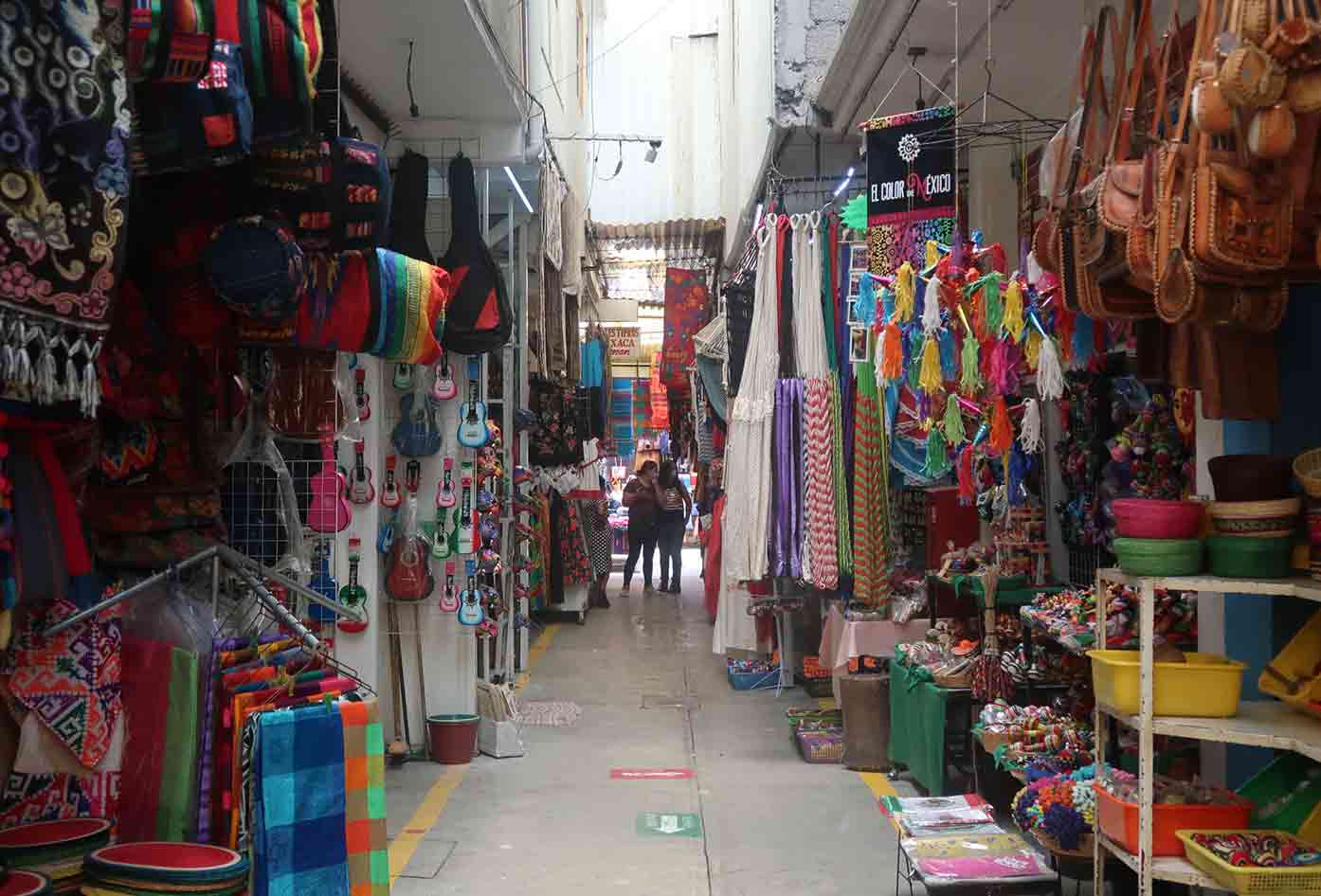
The city’s pulse came alive in simple ways: markets humming in the morning, plazas filling in the afternoon, and families gathering as the sun set. These were the moments that taught me more about Mexico than any travel guide could.
Learning Spanish in Mexico: Language, Confidence, and Belonging
My Spanish journey truly began whilst staying with a local family. Araceli guided me through the basics, but more importantly, I gained exposure to Mexican culture and customs in real time.
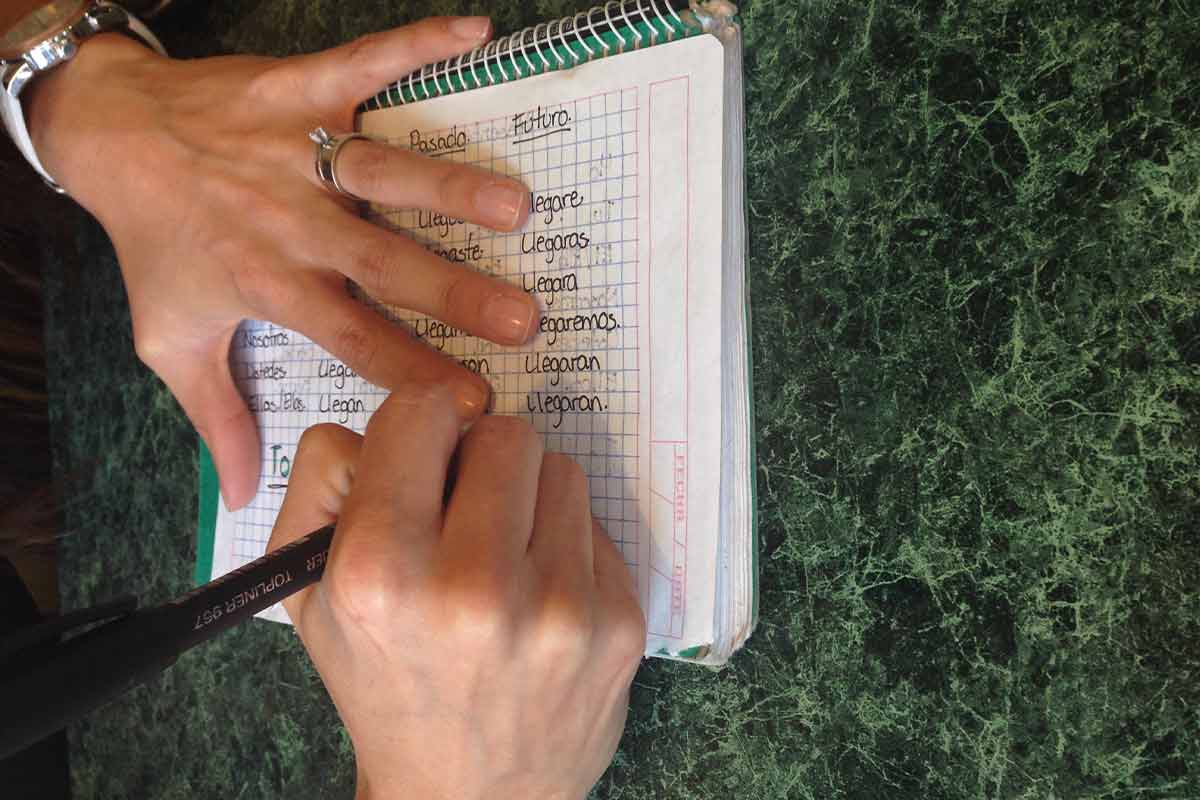
Not from films or textbooks. The immersion was raw. There were moments when I felt lost in conversations, overwhelmed by words I couldn’t catch. At first, it was emotional; I even doubted whether I would ever follow along.
But over time, those sticking points became markers of progress. Each conversation taught me patience, attention, and the small strategies needed to understand and participate.
By the next family gathering, I noticed a shift: I could follow more of what was being said, join in small exchanges, and feel a sense of belonging.
Spanish Learning Tips for Travellers
Learning Spanish conversation became more than memorising phrases. It became about connecting, observing patterns in dialogue, and practising awareness in real interactions.
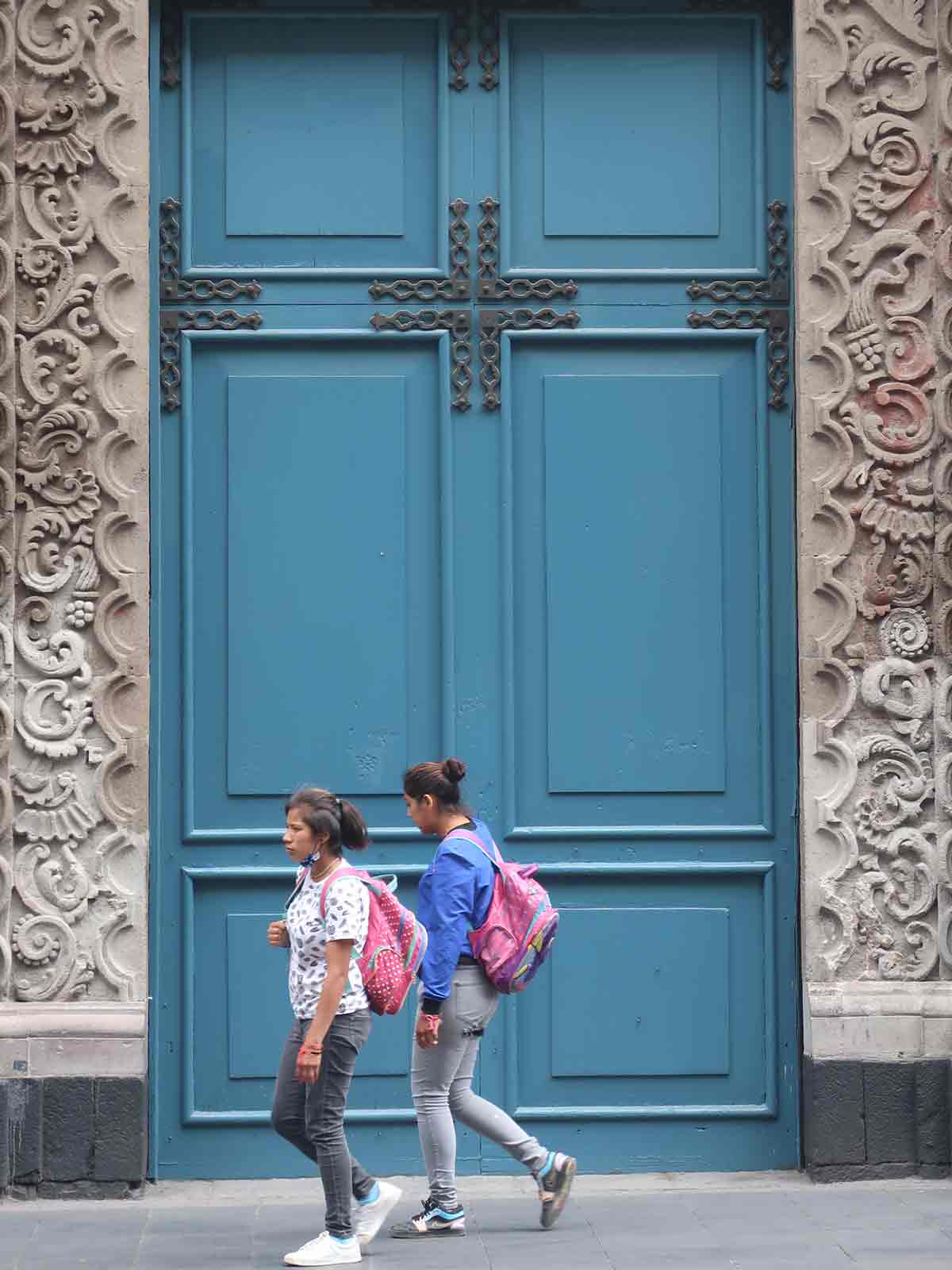
What helped me most when learning Spanish in Mexico:
- Listening for repeated words and phrases in context
- Watching facial expressions and gestures to fill in gaps
- Not being afraid to ask “¿Cómo?” (What?) or “¿Puedes repetir?” (Can you repeat?)
- Accepting that confusion is part of the process
- Practising with family meals and casual conversations
Language learning wasn’t just about words. It was about building confidence through small victories and recognising that connection happens even when your Spanish is imperfect.
This approach to learning Spanish made navigating Mexican cultural etiquette much easier, as language and culture are deeply intertwined.
Cultural Signals that mattered more than Warnings
As I travel, I like to capture small details in my journal. The little rhythms and habits that reveal how a culture really moves.
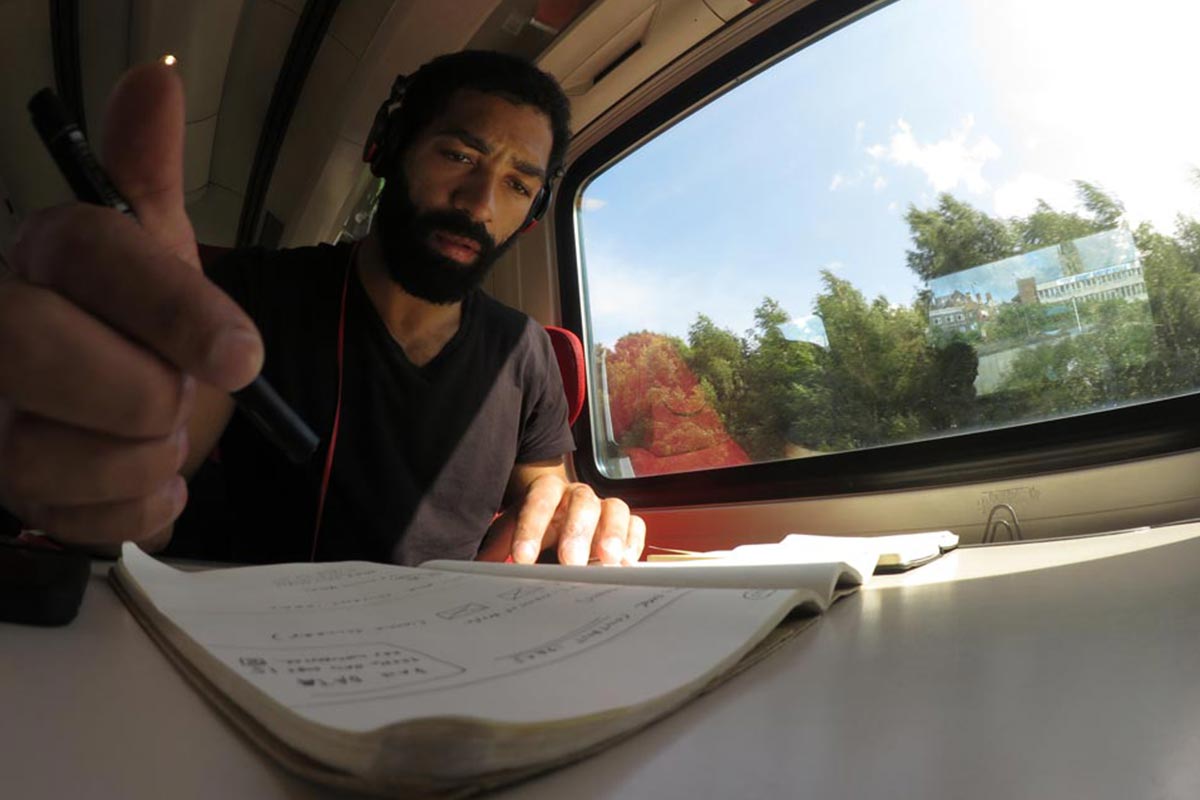
These aren’t safety tips or rules; they’re patterns I’ve noticed whilst exploring Mexico:
- Car minders claim their streets and expect your payment.
- Friends linger in restaurants, talking for hours.
- Conversations are lively, with people often interrupting each other.
- Tortillas appear on tables every day.
- Mixed vendors sell household items in traffic jams.
- Tipping is standard practice, especially in wealthier establishments.
- Clowns entertain at traffic lights.
- The metro doubles as a bustling marketplace.
- Anything can turn into a joke.
- Shouting between people is part of everyday conversation.
- A simple meeting can evolve into a larger gathering with friends and family.
These small observations tell me more about how to move, interact, and notice safety in context than any official warning ever could.
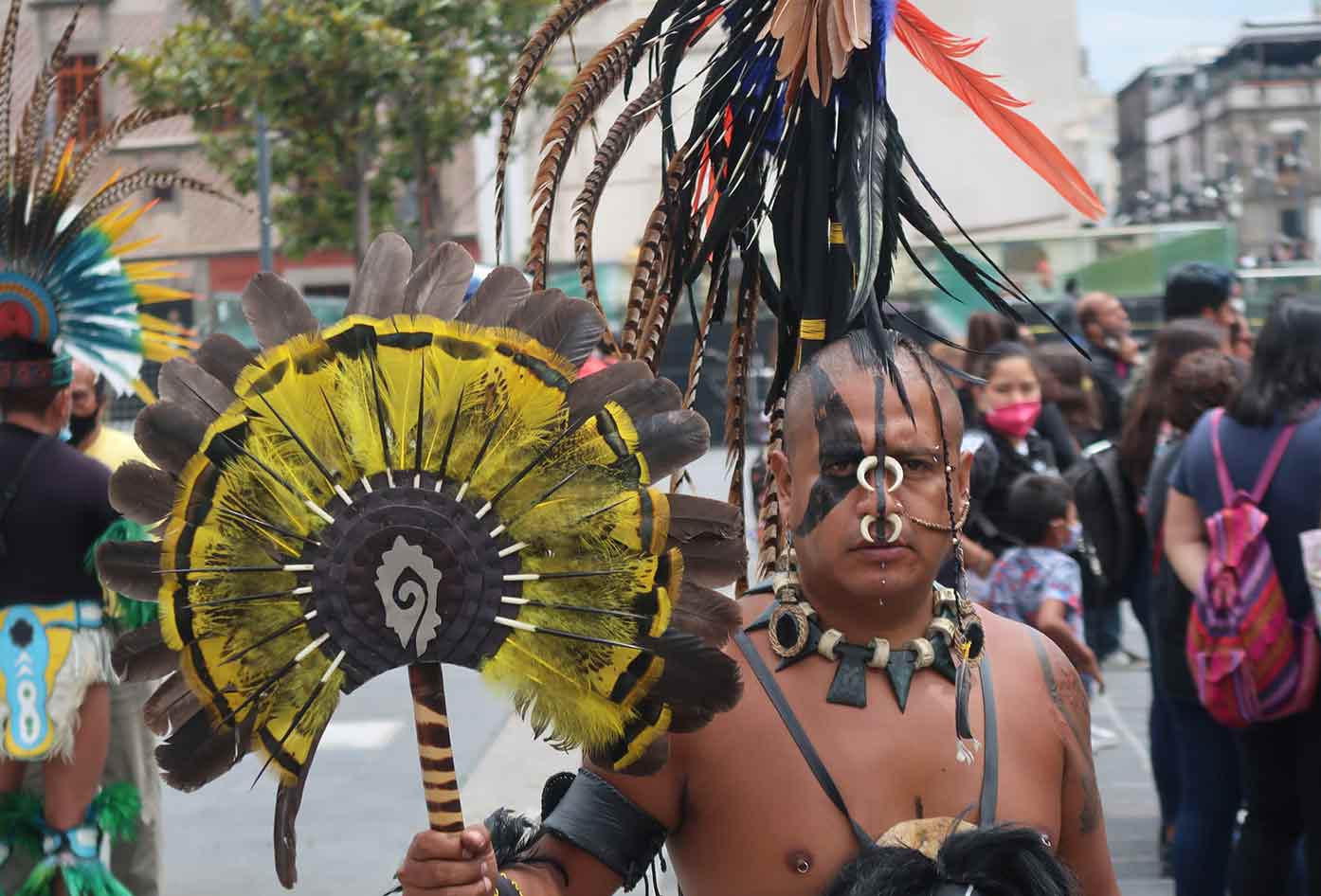
They remind me that Mexican culture is felt in patterns, behaviours, and rhythms. And that attention, not fear, is the key to navigating a place authentically.
These cultural observations complement what I learnt about reading safety patterns whilst travelling solo through Mexico. For me, this supports the idea that it’s awareness that creates genuine security on the road.
⚠️ Disclaimer: Everyone experiences the world differently. These notes are my personal observations, captured through my lens during my travels.
What I Pay Attention to Now (Not a Checklist)
I carried journals, sketchpads, a camera, pens, and a dictionary in my backpack. All overloaded, all essential to how I experienced Mexico.
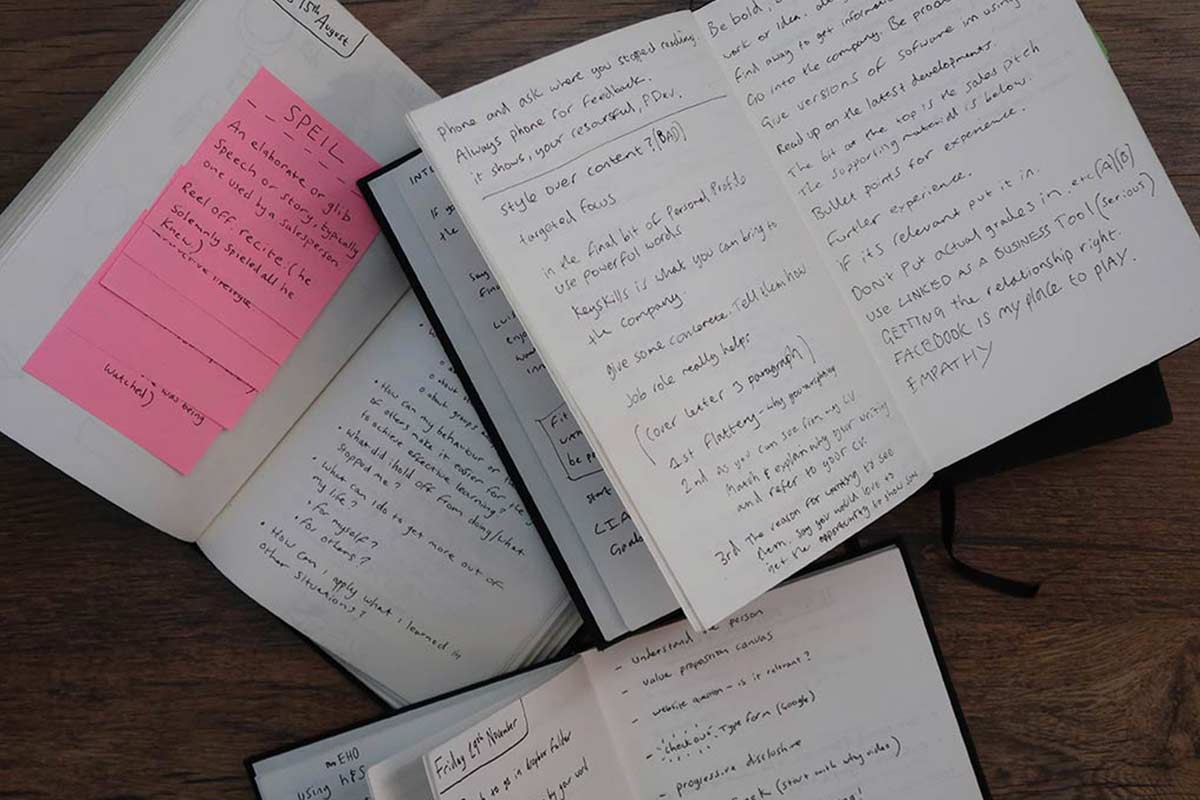
This trip was a mission to gain perspective, to immerse myself fully in the language and culture, even if it meant leaving my English behind for a while.
Here’s how those tools helped:
- In my journal: I sketched the way vendors arranged fruit (pyramids of mangoes that told me this market was permanent, not transient).
- My camera: captured the flow of people at different times of day, helping me see when neighbourhoods felt most alive. The dictionary became a bridge, turning confusion into small moments of connection.
Mexico left a lasting impression. The south, especially Chiapas, felt alive with layers of history and culture that I couldn’t absorb in a single visit.
Every region offered something different: in Mérida, for example, the cuisine stood apart from what I tasted in other parts of the country, teaching me that attention to detail can transform even simple experiences like a meal.

One of the most memorable excursions from Mexico City was visiting Teotihuacán. Walking among the ancient pyramids of the Sun and the Moon, I felt the rhythm of a city built thousands of years ago.
It wasn’t just a tourist site. It was a place where observing patterns, movement, and scale offered an in-depth understanding of the people who once lived there.
Now, when I travel, I pay attention to the flow of daily life, the small cultural details, and how communities inhabit space. That awareness, more than any travel guide, shapes the way I move, observe, and connect with the world around me.
What to pay attention to in Mexican culture:
- How people greet each other (handshakes, kisses, hugs?)
- When streets come alive (early morning markets vs. evening social life)
- What sounds fill the air (music, conversation, street vendors)
- How space is shared (public plazas vs. private boundaries)
- What’s considered polite vs. casual
These observations create a mental map that goes beyond physical safety. They help you understand when you’re moving with the culture, not against it.
How Locals Move Through Space
Omar and Araceli, a couple I met in London before starting my first trip, helped me see Mexico differently from the moment that I arrived.
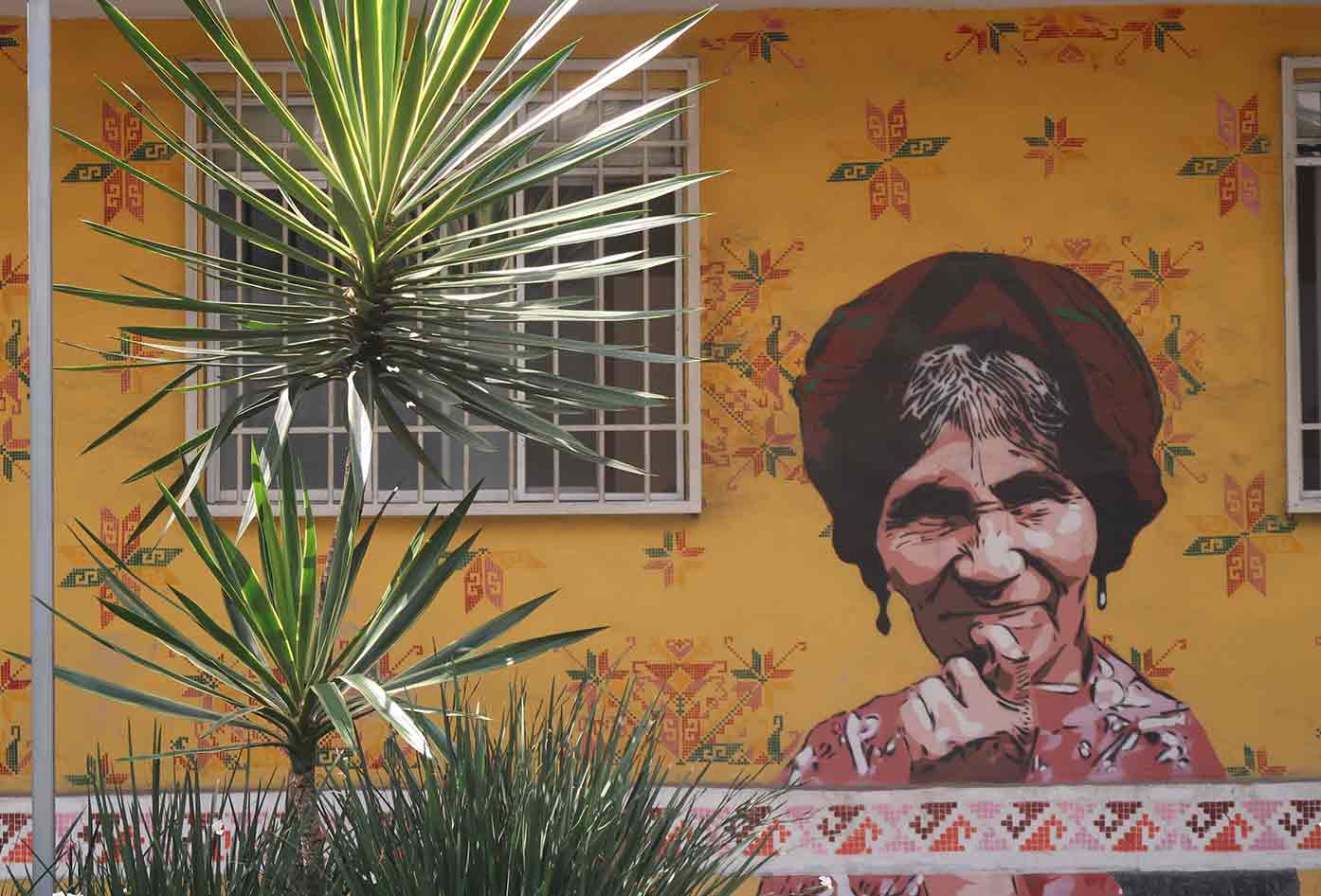
They showed me how locals navigate streets, plazas, and markets, and in doing so, answered the unspoken question of whether it was safe to travel there.
Staying with Araceli’s family (her mother, brother, sister, and cousins) gave me a window into daily life. Shared meals, laughter, and even an impromptu dinner out of the back of an abandoned VW Beetle taught me how people claim and inhabit spaces with ease, generosity, and rhythm.
Small gestures, like leaving a tip at Restaurante Arroyo, weren’t rules but expressions of awareness and care that made interactions smoother.
Reading Local Movement Patterns
From my experience across 11 Mexican cities, observing how locals moved, how communities interacted, and how spaces came alive with activity taught me more about navigating Mexico than any warning ever could.
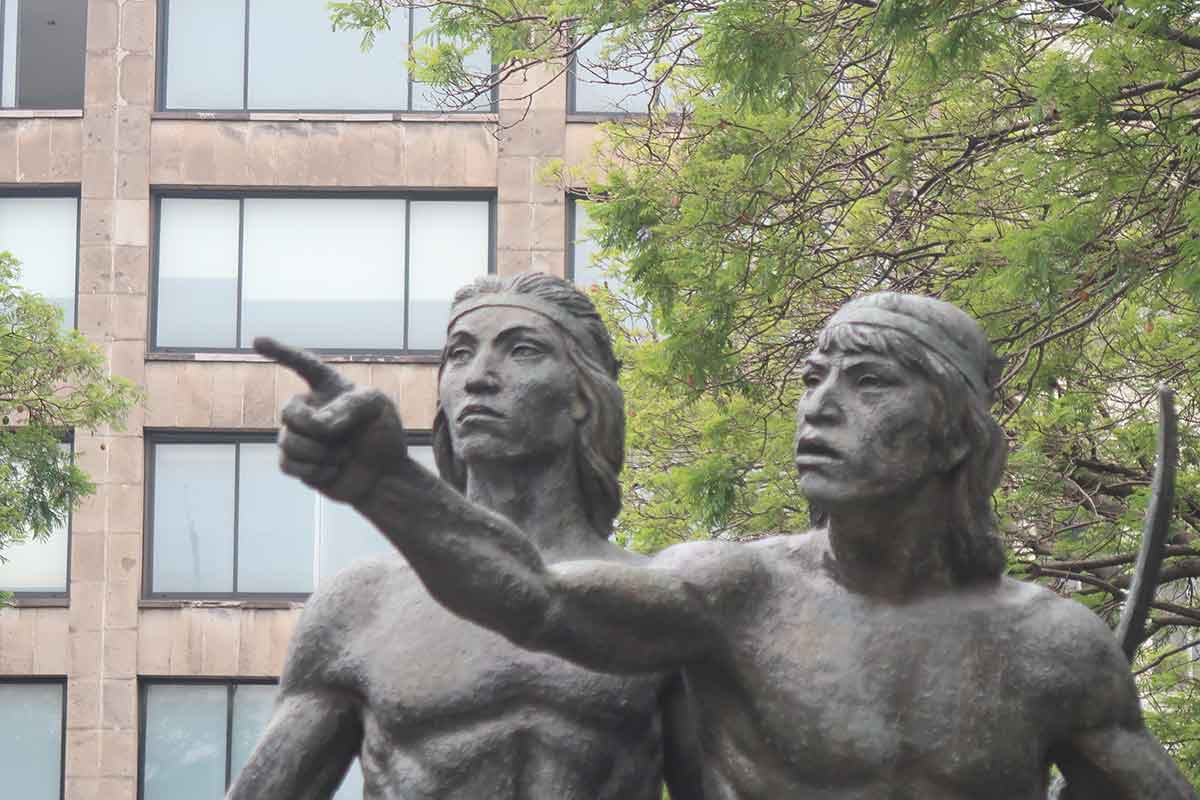
It reminded me that confidence comes from noticing patterns, respecting rhythms, and participating with presence.
What I noticed about how locals move:
- They walk with purpose but rarely rush
- They greet shopkeepers and vendors by name
- They occupy public spaces like plazas without self-consciousness
- They know when to be loud (markets, gatherings) and when to be quiet (residential streets at night)
- They navigate crowds by reading flow, not by pushing through
If doubts about safety have ever held you back, my advice is simple: watch, listen, and learn from how locals move through their cities. That awareness transforms travel into something both safe and deeply rewarding.
How Culture Became My Teacher
By the end of my time in Mexico, I realised something important: the question “Is Mexico safe?” was the wrong question all along. The better question is: “Am I willing to pay attention to Mexican cultural customs?”
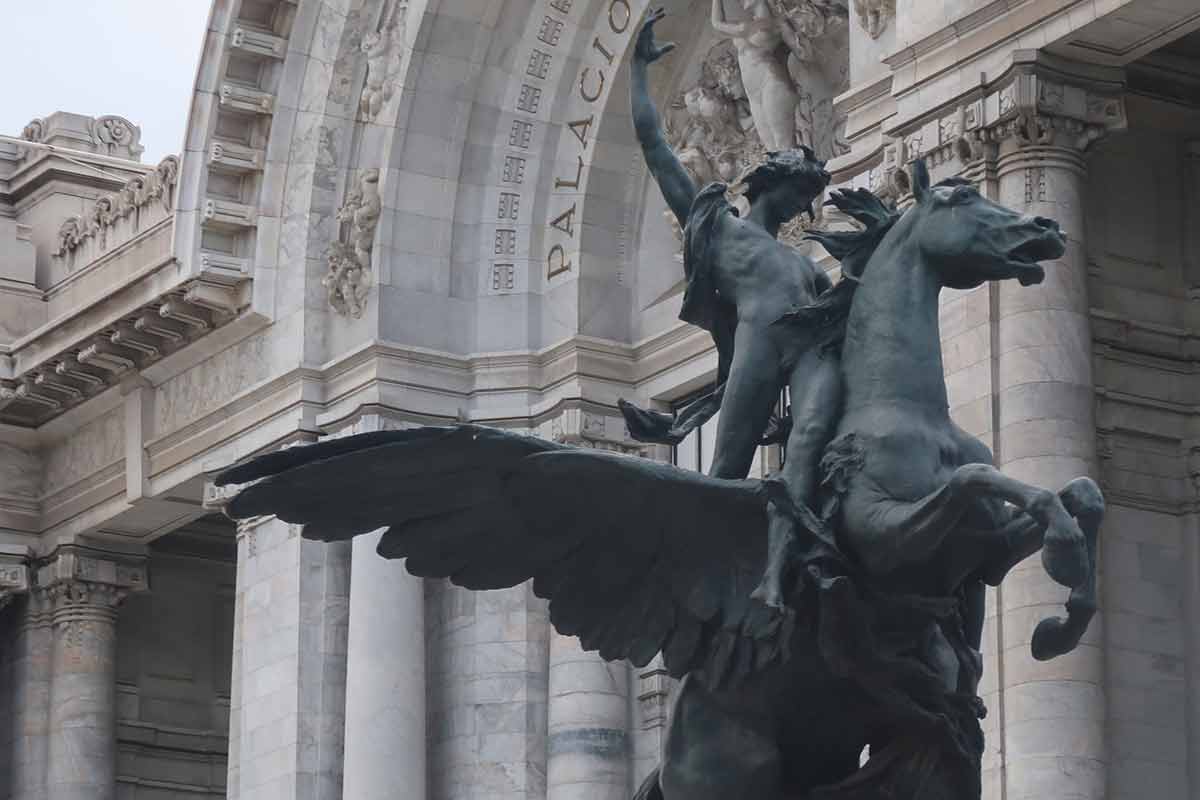
Safety isn’t something you find in a destination. It’s something you create through awareness, respect, and the willingness to read the patterns around you.
Every cultural signal I noticed, from car minders expecting payment to friends lingering over meals, became part of a larger understanding of how life works in Mexico.
That understanding is what made me feel safe. Not the absence of risk, but the presence of knowledge.
When you understand why people move the way they do, when public life is most visible, and what gestures show respect, you stop holding back.
The shift happens when:
- You stop expecting Mexico to feel like home and start learning its logic
- You realise that discomfort often signals unfamiliarity, not danger
- You trust locals more than headlines
- You move at the pace of the culture, not against it
Mexico is full of discovery, colour, and life. The key isn’t avoiding it out of fear. The key is engaging with it thoughtfully, curiously, and with an open willingness to learn.
If you approach Mexico (or any place) with attention and respect, there’s no reason to hold back. The country reveals itself to those who are willing to slow down and notice.
Read the first part of this series: Is Mexico Safe to travel? for insights on solo travel, bus journeys, and how awareness creates safety on the road.
👉🏽 Did you enjoy this guide? Feel free to buy me a coffee to say thanks!
