Costa Maya sits tucked between the Gulf of Mexico and the Caribbean Sea, offering ancient Mayan ruins, world-class diving and turquoise waters that look like screensavers.
But here’s what nobody tells you: safety in Costa Maya isn’t one-size-fits-all.
Your experience depends entirely on how you travel, where you go and what risks you understand before arriving.
This post contains affiliate links. Layer Culture is supported by you and I may earn a small commission (at no extra cost to you) if you make a purchase by clicking a link. Learn more.
Costa Maya Safety Guide
I’ve travelled independently across Quintana Roo, including Mahahual, Bacalar and the Costa Maya coast, over multiple trips.
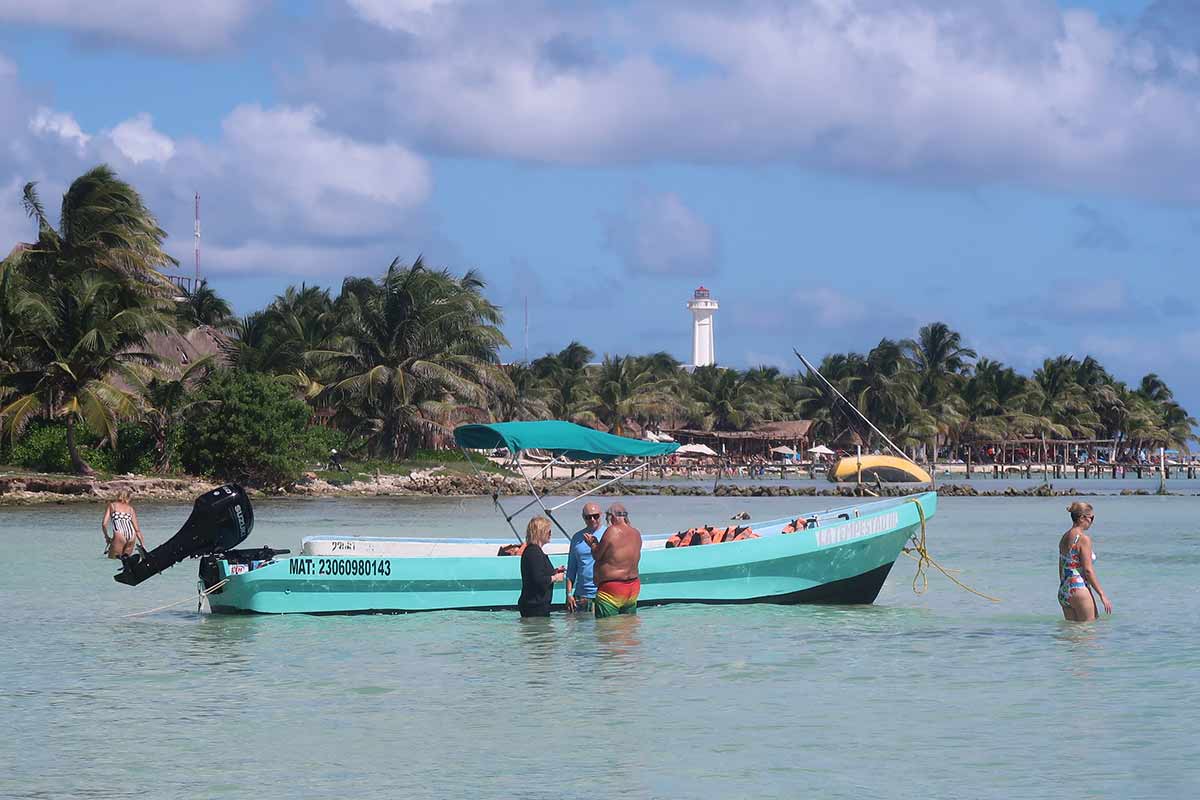
Below I’ll break down what “safe” means here based on what I’ve learnt.
Costa Maya Safety Snapshot
- Risk level: Low for tourists
- Violent crime: Extremely rare
- Common issues: Taxi overcharging, petty theft
- Safest areas: Cruise port, Mahahual malecón (daytime)
- Extra caution: After dark, empty beaches, remote roads
- Biggest risks: Sun exposure, dehydration, currents
What Safety Really Looks Like in Costa Maya

Quick Safety Answers for Costa Maya:
- Safe for Americans? Yes, most visitors are American
- Safe to leave port? Yes, with basic precautions
- Safer than Cancún? Generally yes, fewer crowds and nightlife risks
- Safe at night? Limited areas only, avoid deserted streets
Costa Maya is primarily a cruise port destination, which means security is tight near the docks. The Mexican government knows tourism keeps this area thriving, so they’ve invested heavily in keeping visitors safe. Crime levels targeting tourists remain low compared to other parts of Mexico.
Here’s what you actually face
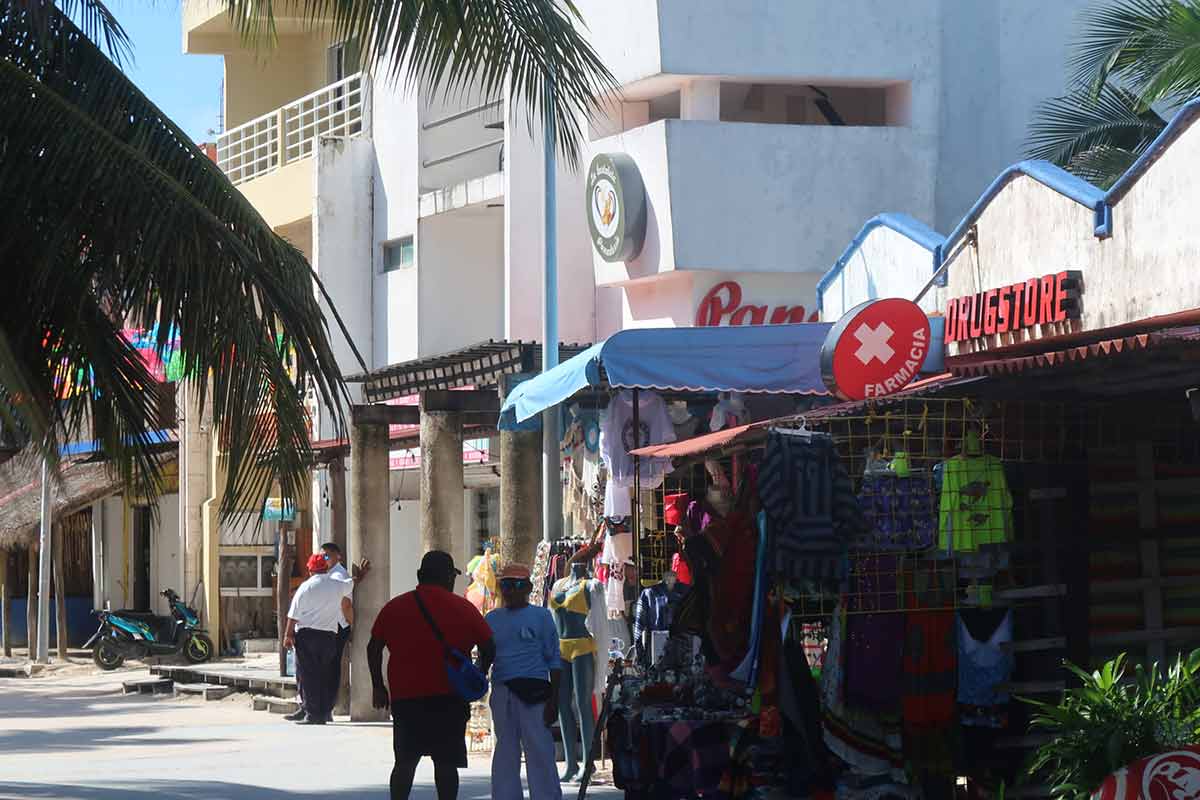
What Crime Is Actually Like in Costa Maya
- Petty crime (pickpocketing, bag snatching) happens but rarely
- Violent crime against tourists is extremely uncommon
- Scams are your most likely annoyance, not danger
- Natural risks (hurricanes, strong sun) deserve more attention
How Costa Maya Compares to Other Destinations
- Quieter and less touristy than Cancún or Playa del Carmen
- Fewer crowds mean fewer opportunistic thieves
- Less English spoken outside the port, learn basic Spanish
- Sits alongside Cozumel in Quintana Roo’s safest tier
The trade-off: You get authenticity and calm, but fewer safety nets. That balance works brilliantly if you know what to expect.
Safety Tips for Different Types of Travellers
Is Costa Maya Safe for Cruise Passengers?
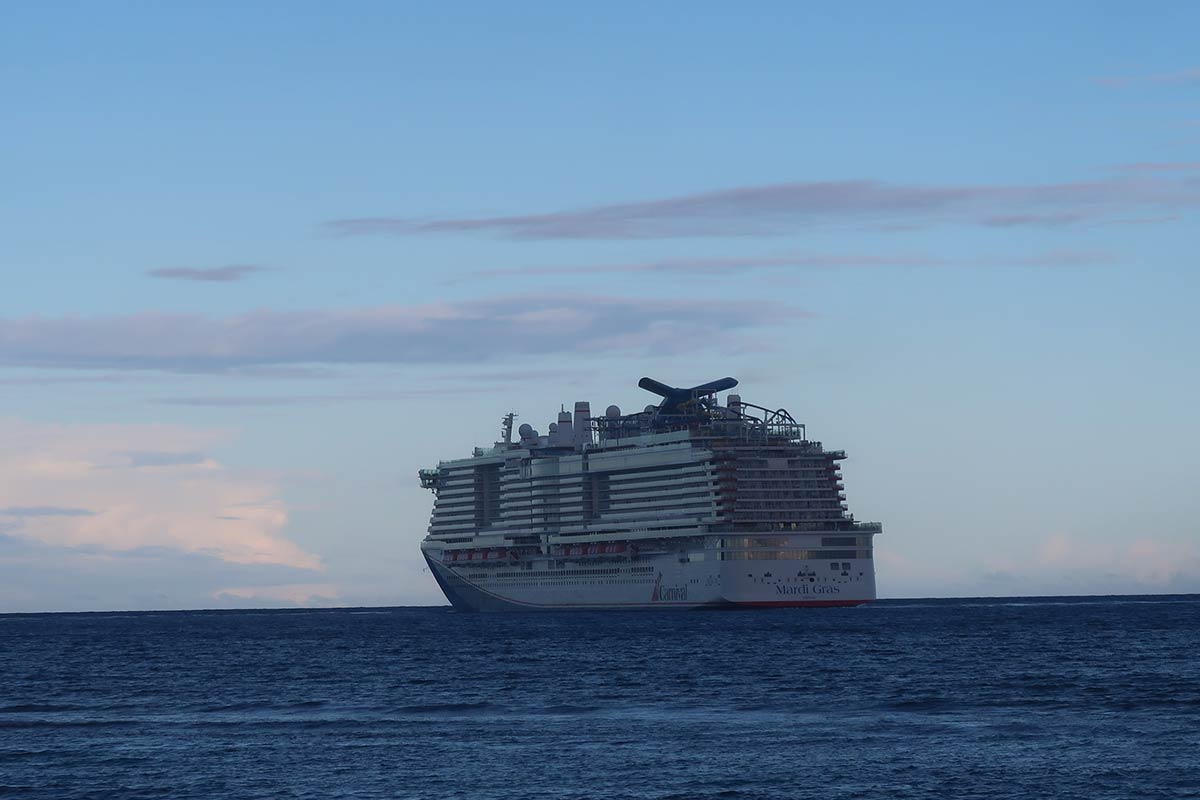
If you’re arriving on a cruise, you’ll dock at Costa Maya Port where security checkpoints, tour operators and shops create a controlled environment. Most cruise passengers stay in this area or visit nearby Mahahual.
What you need to know:
- The port itself is extremely safe with visible security
- Pre-booked excursions through your cruise line are vetted
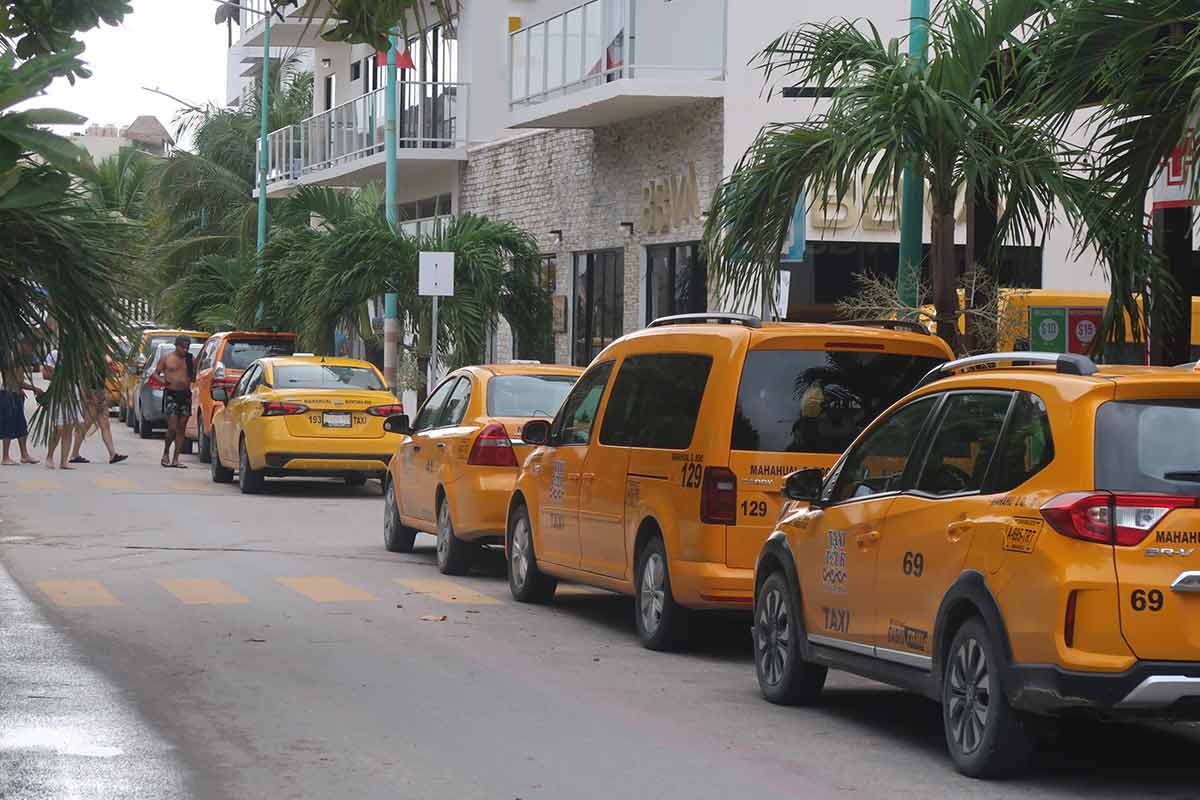
- Independent taxi drivers outside the gates approach aggressively
- Always agree on taxi prices before getting in
I watched a couple nearly pay triple the going rate for a taxi to Mahahual because they didn’t ask the price upfront. The driver quoted 800 pesos when the actual rate hovers around 250–300 pesos.
Is Costa Maya Safe for Solo Travellers?
I travelled parts of Quintana Roo solo and here’s what I learnt: Costa Maya feels safe during daylight, especially in Mahahual where locals depend on positive word-of-mouth.
For solo women:
- Daytime exploration in Mahahual is generally fine; stay on main streets near the malecón.
- Avoid walking alone after sunset outside the port or main tourist strips.
- Beach areas get deserted quickly as afternoon fades; leave before crowds thin.
- If it’s your first time travelling alone, I wrote some valuable insights from doing solo travel in Mexico City before I visited this region.
- Trust your instincts; if attention feels off, move toward busier areas.
One solo traveller I met told me beach vendors became too persistent. She handled it well by firmly saying “no gracias” and walking toward a beach club with other tourists. Basic Spanish and confidence matters here.
How Costa Maya Compares to Other Quintana Roo Destinations
If you’re weighing up different stops on the Caribbean coast, here’s how Costa Maya stacks up:
- Safer than: Cancún nightlife zones (less crowded, fewer opportunistic crimes)
- Similar to: Cozumel (both cruise-focused, low crime, tourist-friendly)
- Less infrastructure than: Playa del Carmen (fewer hospitals, police presence)
- Quieter than: Tulum (fewer tourists, more authentic, less English)
Costa Maya offers safety through simplicity. There’s less to navigate, fewer sketchy areas and a smaller tourist ecosystem where problems stick out more.
Crime and Local Risks in Costa Maya
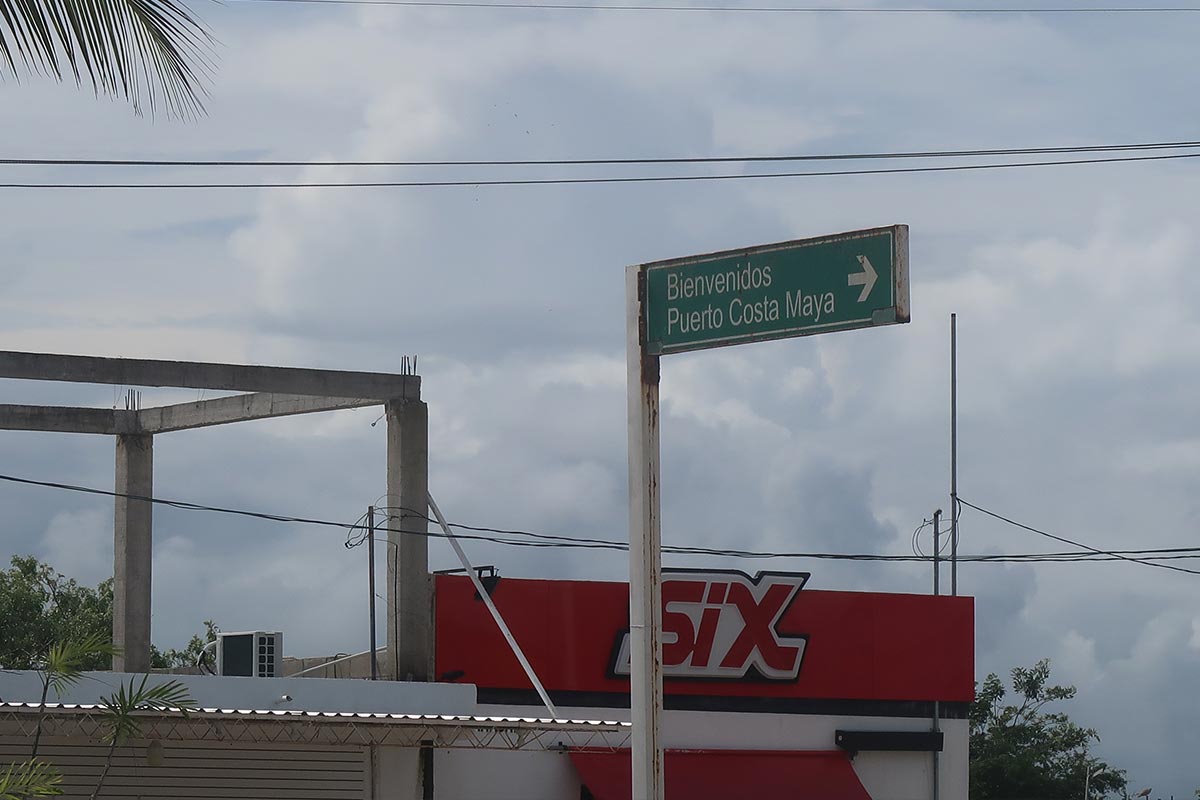
Let’s talk about what crime actually looks like in Costa Maya versus what you’re imagining.
Petty Theft Risks:
- Unattended bags on beaches disappear
- Phones left on restaurant tables walk away
- Valuables visible in rental cars attract break-ins
Common Scams in Costa Maya:
- Taxi overcharging: Always agree on fare before entering
- Vendor persistence: Some won’t take no for an answer
- “Free” timeshare tours: These eat your entire day
- Unofficial guides: Cheap ruins tours then aggressive tip demands
Nighttime Safety in Costa Maya
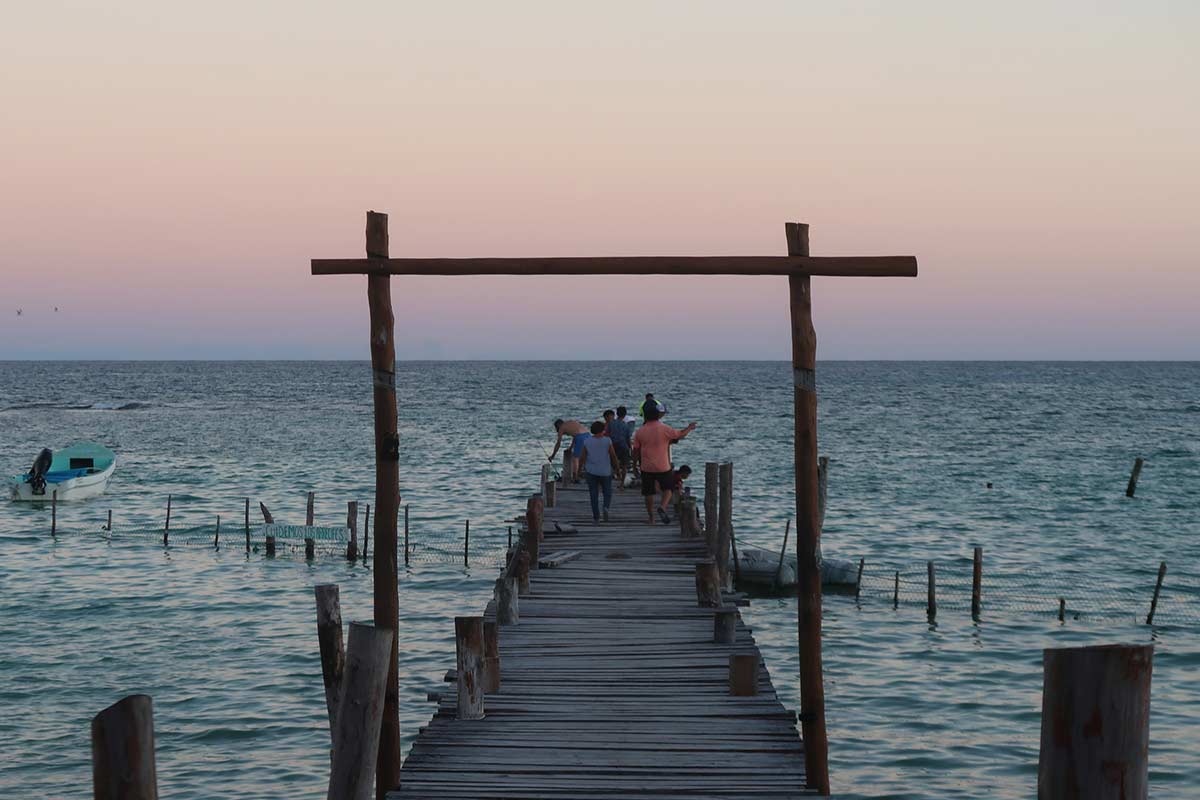
Is It Safe to Walk Around Costa Maya at Night?
Short answer: depends entirely on where.
- The cruise port: Completely safe until it closes (usually when the last ship departs)
- Mahahual town: The main malecón stays lively with restaurants and bars until 10-11pm. This area feels safe with normal precautions. Side streets? Not where I’d wander alone.
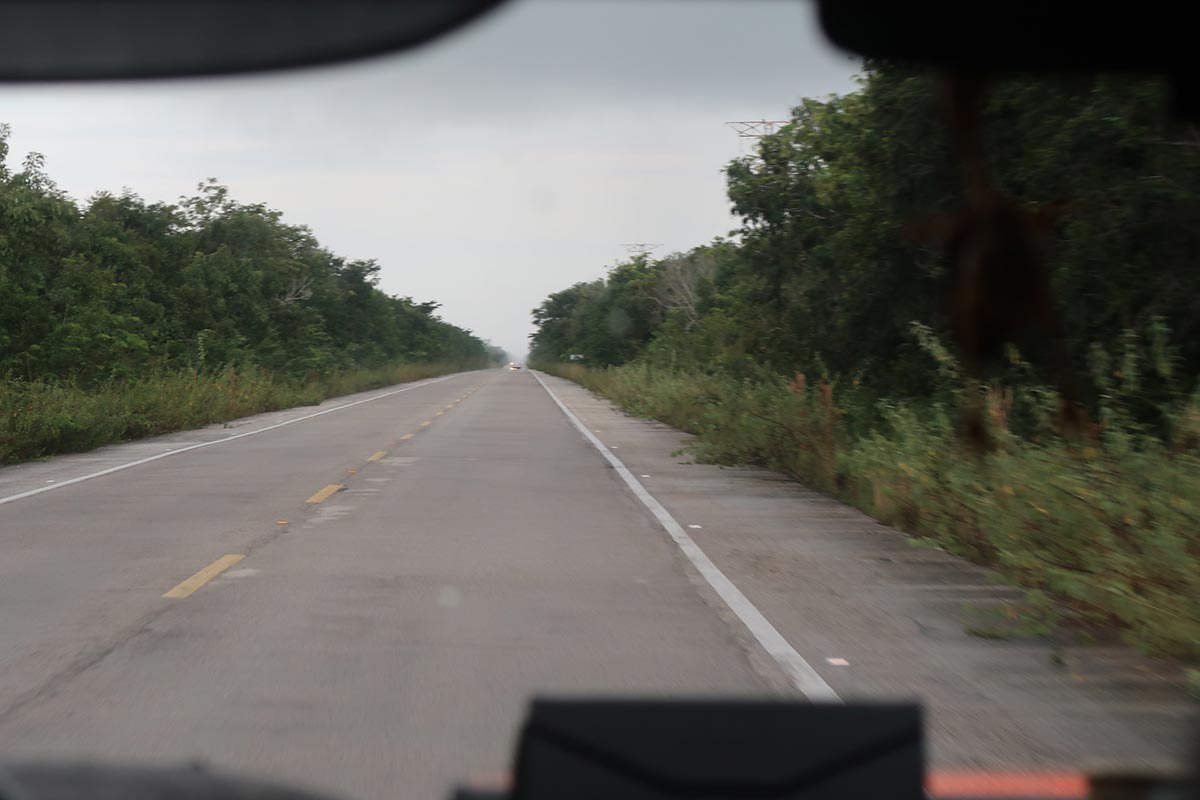
- Between port and Mahahual: Don’t walk this 2km stretch at night. The road is dark, unstable and deserted. Even during the day, take a taxi. It costs about 50 pesos and is safer and faster than walking.
- Remote areas: Xcalak and fishing villages see almost no tourists. Beautiful and authentic, but only venture here during daylight with a clear plan.
I made the mistake once of lingering too long at a beach south of Mahahual. By the time I headed back, dusk was falling and I was alone on an empty stretch. Nothing happened, but the isolation felt uncomfortable.
Health and Outdoor Safety in Costa Maya
Here’s what actually poses risk: nature and your own enthusiasm.
Hurricane and Weather Risks in Costa Maya
Hurricane season runs June through November, peaking in September and October. Hurricane Dean devastated Costa Maya’s dock in 2007.
Check forecasts before booking autumn trips, get travel insurance covering weather disruptions and follow evacuation guidance if warnings are issued.
Sun, Water and Ocean Safety
The Caribbean sun here is relentless. I’ve watched tourists turn lobster-red within a couple of hours at the beach.
Essentials:
- Reapply sun cream regularly; SPF 50 minimum.
- Seek shade between 11am-3pm when UV peaks.
- Drink more water than feels necessary.
- Ocean currents shift unexpectedly; swim only where lifeguards patrol.
- Jellyfish appear seasonally; ask locals about conditions.
- Coral cuts get infected easily; wear water shoes when snorkelling.
Mosquitoes and Food Safety
Mosquitoes carry dengue, Zika and chikungunya. Use DEET-based repellent (50%+ concentration), reapply after swimming and wear long sleeves at dawn and dusk.
Don’t drink tap water. Buy bottled water with intact seals. Street food in Mahahual is generally fine if busy and cooked fresh. Empty stalls with food sitting out? Skip those.
Common Scams in Costa Maya and How to Avoid Them
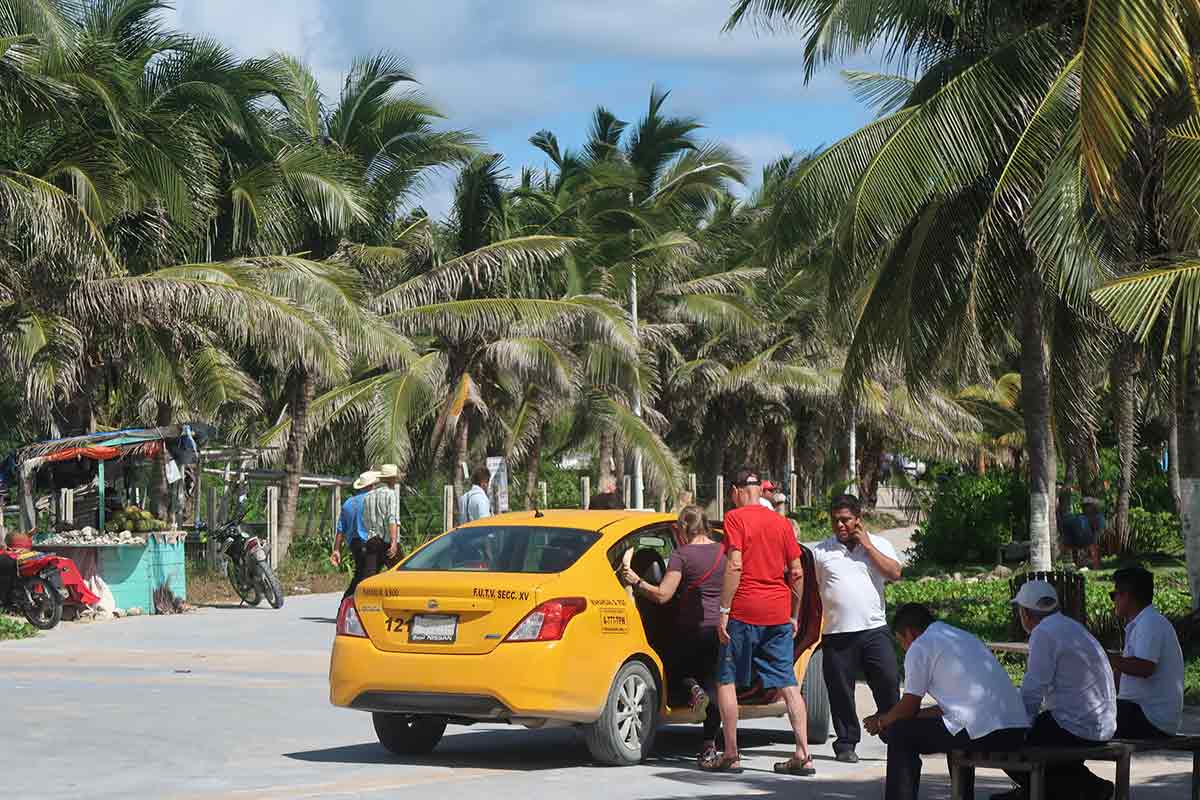
Taxi and Transport Scams
This is where you’re most likely to lose money.
Common tactics:
- No meter, inflated “gringo price” quoted
- Agreeing on price in dollars vs pesos (big difference)
- “Broken” meter discovered after you’re moving
- Dropping you somewhere that pays commission
How I handle it:
- Always confirm price AND currency before getting in
- If the driver says “don’t worry, we’ll sort it out,” find another taxi
- Ask your hotel or a local what the fair price is first
- Port to Mahahual: expect 250-300 pesos (around £10-12)
Card and ATM Safety Tips
ATM skimming happens occasionally. Stick to ATMs inside banks during business hours, cover your PIN and check for loose attachments on card slots.
Use a travel card rather than your main bank account and notify your bank you’re travelling to Mexico.
Mistakes that create problems:
- Leaving valuables unattended at beaches (phones and cameras disappear fast)
- Not asking for itemised receipts (tourist pricing mysteriously appears)
- Wearing expensive jewellery (why advertise you’re worth targeting?)
- Getting aggressively drunk (judgment suffers, you become vulnerable)
When Costa Maya Feels Safe (and When It Doesn’t) for Travellers
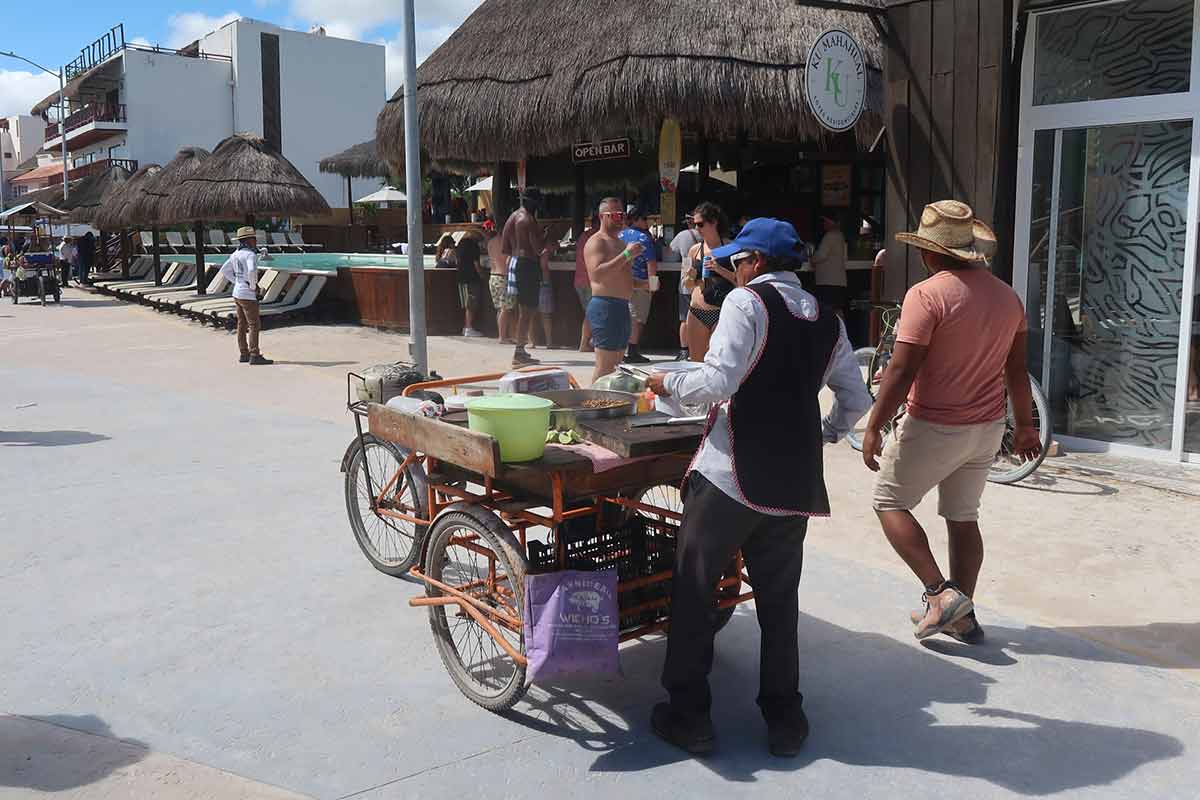
After visiting multiple times and speaking with dozens of travellers, here’s my honest assessment.
Feels Perfectly Safe:
- At the cruise port during operating hours
- On the Mahahual malecón during daylight
- Booked tours through reputable, established companies
- Swimming at beaches with lifeguards and other tourists
- Eating at busy restaurants with good reviews
- Keeping valuables secure and staying aware
Requires More Caution:
- Walking anywhere deserted after dark
- Being alone on empty beaches or side streets
- Random people offering “special deals” or “help”
- Renting vehicles without experience on Mexican roads
- When weather warnings are issued (hurricanes, strong currents)
- After several drinks when your guard drops
The pattern I saw? Travellers who treat Costa Maya like anywhere else and use common sense have the most memorable experiences. Travellers who panic unnecessarily or act recklessly tend to create their own problems.
My personal takeaway from travelling solo through Quintana Roo, including Mahahual, Bacalar and the Costa Maya, is that the biggest risks aren’t crime but sun exposure, dehydration, ocean currents and overspending on taxis.
Handle those basics and stay alert without being paranoid and Costa Maya delivers exactly the Caribbean escape you’re hoping for.
👉🏽 Did you enjoy this guide? Feel free to buy me a coffee to say thanks!
